 DA
DA  EN
EN  FR
FR  DE
DE  KO
KO  ES
ES  SV
SV  AR
AR  CS
CS  IT
IT  JA
JA  TR
TR  PT
PT  NL
NL  PL
PL  FI
FI Leveret pris for to tilsyneladende ens båndtilbud kan variere markant. Forskellen er næsten aldrig båndet i sig selv. Det er længden pr. rulle, kernestørrelsen, viklingen og kartonopbygningen — og ingen af disse elementer var med i RFQ'en.
Dette beskriver de fire variabler for rullekonfiguration, hvad hver enkelt koster dig længere nede i processen, når den ikke er fastlagt, og hvorfor mængde pr. SKU frem for en samlet mængde er det, der gør tilbud på spoler sammenlignelige.
Rullekonfiguration er en omkostningsbeslutning forklædt som en pakkedetalje.
To leverandører tilbyder det samme bånd til samme pris pr. meter. Den ene leverer det på lange ruller, den anden på korte spoler dimensioneret til en detailkrog. Det andet tilbud er højere, når spolerne regnes med, og lavere, når man medregner den arbejdskraft, som din pakkelinje ellers ville bruge på omrulning. Ingen af dem er forkert. Det, der er forkert, er at sammenligne dem uden at have rullekonfigurationen skrevet ned.
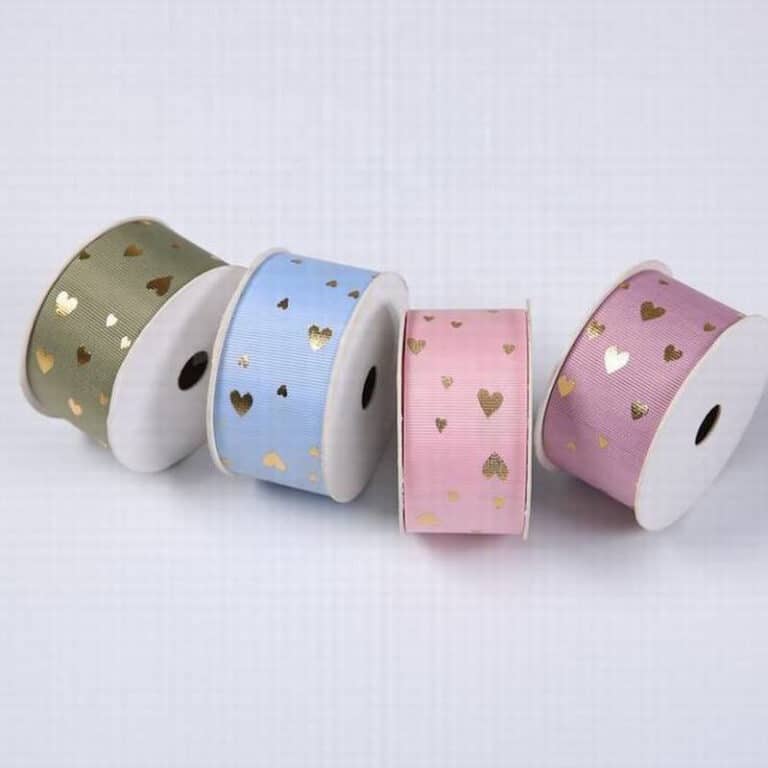
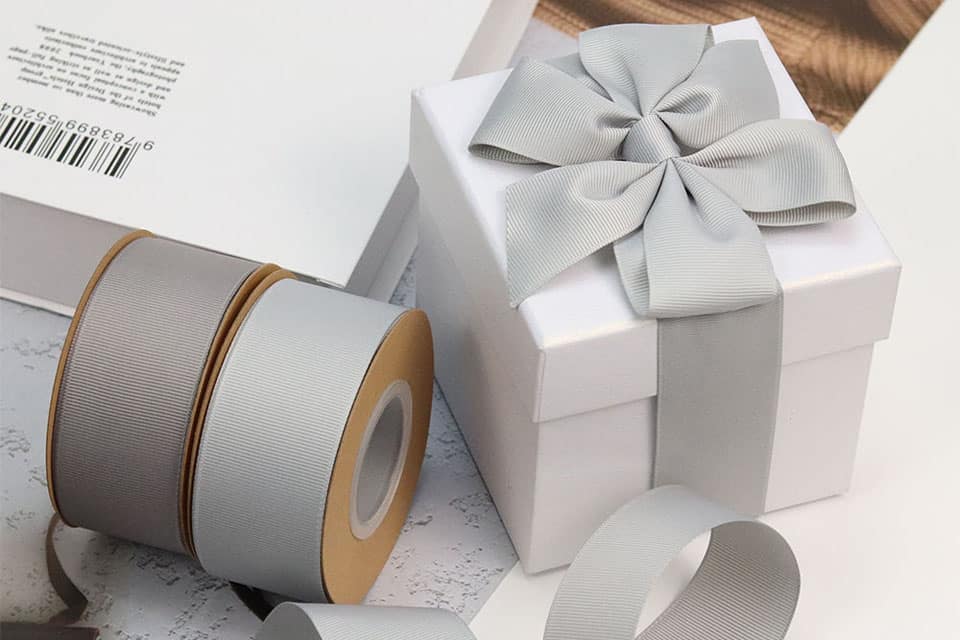
Oprulning dækker over fire ting, der alle fungerer uafhængigt: længde pr. rulle, kernetype og -diameter, hvordan rullen er viklet, og hvordan ruller pakkes i en karton. Hver enkelt har en konsekvens i det videre forløb, og hver enkelt er billig at specificere, men dyr at opdage.
De fire variable, og hvad hver enkelt ændrer i det videre forløb
Hver variabel har en ejer hos jer og en konsekvens i produktionen. Tager man dem i nedenstående rækkefølge, betyder det, at de beslutninger, der begrænser de andre, træffes først.
Længde pr. rulle er en afvejning mellem omstilling og kapitalbinding.
Arbejd handlen én gang, og genbrug svaret. Udarbejd en gang, og brug svaret igen. Regn, hvor mange minutter et skift af rulle koster på jeres langsomste linje, ganger det med antallet af omstillinger, som en kortere rulle tilfører på en sæson, og sammenlign det så med den hyldeplads og bundne arbejdskapital, som en længere rulle optager. Købere finder ofte, at svaret er stabilt på tværs af programmer, hvilket betyder, at det bør indgå i en stående specifikation i stedet for at blive drøftet igen for hvert RFQ.
| Variabel | Bestemmes af | Konsekvens i efterfølgende led, hvis den forbliver åben |
|---|---|---|
| Længde pr. rulle | Din linjes omstillingsomkostning mod din lageromkostning | Korte ruller forøger antallet af omstillinger; lange ruller binder kapital og lagerplads og kan overstige en maskines maksimale diameter |
| Kernetype og indvendig diameter | Den spindel eller dispenser, som rullen skal passe på | En kerne, der ikke passer på spindlen, gør en leveret ordre til en omviklingsopgave |
| Vikling | Om båndet fremføres maskinelt eller manuelt | Løs eller krydset opvikling forårsager spændingsfejl og kantbeskadigelse ved dispenseren. |
| Kartoner og mærkning. | Deres varemodtagelses- og lagersystem. | Umærkede blandede kartoner gør varemodtagelseskontrol og lagerrotation manuel. |
Kernen og opviklingen afgør, om rullen overhovedet kan bruges.
En kerne, der ikke passer til spindlen, gør en leveret ordre til en genoprulningsopgave, og genoprulning beskadiger kanterne på præcis de bredder, hvor det kan ses. Mål den indvendige diameter på den kerne, din dispenser bruger, og angiv tallet i RFQ'en; det koster ikke noget at oplyse, og det kan ikke rettes efter produktionen. Opviklingen betyder noget af samme praktiske grund: en rulle, der er viklet løst eller krydset, løber ujævnt af, og spændingsfejlen viser sig som kantkrølning eller et skævt trykt bånd ved maskinen frem for på lageret.
Den nyttige vane er at angive rulningen (put-up) i samme åndedrag som materiale og bredde, fordi den indgår i minimum. På et kundespecifikt program bekræftes mængden ud fra materiale, bredde, farve, trykmetode, artwork-version, pakning, mængde pr. SKU og ordreplanen. Pakning er på listen af en grund: at fordele den samme samlede længde over kortere ruller ændrer antallet.
Det er ved spoleordrer, at en samlet mængde vildleder alle.
En anmodning om totalt arealmål på en spole er en almindelig årsag til, at tilbud ikke kan sammenlignes. Ti tusinde meter på lange produktionsruller og ti tusinde meter på detailspoler er to vidt forskellige ordrer med forskellig arbejdskraft, og en leverandør, der giver tilbud på det første, når du mente det andet, er ikke utroværdig — blot uheldig.
Angiv mængde pr. SKU og antallet af SKU'er, ikke en samlet mængde. Angiv derefter oprulningen pr. SKU. En leverandør kan prissætte det; ingen kan prissætte en samlet mængde.
Hvad skal man kontrollere ved den første levering
Den første levering er den eneste mulighed for at etablere en fysisk reference uden omkostninger. Når først kartonnerne er åbnet og blandet ind i lageret, bliver enhver senere diskussion om rullelængde eller kernestørrelse et spørgsmål om erindring.
Hvad godkendelsesprotokollen skal angive
Den afgørende fabrikskontrol er, om der blev frigivet en præproduktionsprøve med en godkendelsesprotokol, der angiver materiale, bredde i millimeter, farvereference, oprulning, kerne og kartonkonfiguration. En godkendt prøve uden en oprulningsregistrering kan ikke afgøre en tvist om ruller, fordi prøven beviser båndet og ikke siger noget om, hvordan det ankommer.
- Mål kernens indvendige diameter mod din spindel, før containeren pakkes ud, ikke efter.
- Kontroller viklingen på de ydre og indre lag af en rulle; spændingsfejl viser sig først ved kernen.
- Bekræft, at kartonetiketten indeholder SKU, længden og den produktionsreference, som jeres lager reelt scanner.
- Behold én rulle fra den første levering, uåbnet, som den fysiske reference for genbestillingen.
MEEDEE Ribbon findes i bredder fra 3-100 mm på ni forskellige båndfamilier, og standardproduktionen er 2-4 uger efter godkendelse af prøven, mens specialtrykte eller særligt farvelagte programmer bekræftes separat i tilbudet. Se Engrosbåndfamilier for materialer, Fremstilling af specialbånd for de kundetilpassede forløb, og OEM- og ODM-båndfremstilling til private label-programmer.
RFQ-kontrolpunkt
Send materiale, bredde i millimeter, længde pr. rulle, kernens indre diameter og antal pr. SKU. Vi giver tilbud på det grundlag og påpeger alt, der ændrer minimum.
Konklusion
Oprulningsspecifikationen er ikke en eftertanke i pakningen; det er en omkostningspost, der ligger mellem prisen pr. meter og prisen på jeres lager. Angiv længde pr. rulle, kerne, vikling og kartonnagekonfiguration sammen med materiale og bredde; angiv mængde pr. SKU i stedet for en total, og sammenhold den første levering med en godkendelsesjournal, der specificerer alt.
Ofte stillede spørgsmål
Skal jeg bestille lange produktionsruller eller korte spoler?
Det afhænger af, om jeres lønomkostninger til omstilling eller jeres lageromkostninger er den største omkostningspost, og af den maksimale rulediameter, jeres dispenser kan håndtere. Beregn det én gang, skriv det ind i specifikationen, og genbrug den på hver RFQ.
Ændrer rullelængden minimumsordren?
Det kan den. Pakning er en af de variabler, som minimumsordren fastsættes ud fra, sammen med materiale, bredde, farve, trykmetode, artwork-version, antal pr. SKU og tidsplan. Kortere ruller med samme samlede længde hæver den generelt.
Hvilken kernestørrelse skal jeg angive?
Den, din spindel eller dispenser kræver – målt, ikke antaget. Send inderdiameteren med RFQ'en; det koster intet at oplyse, og det er dyrt at rette efter produktionen.
Redaktionel note
Udarbejdet af MEEDEE Ribbon-redaktionen og gennemgået i forhold til aktuelle produkt-, tilpasnings- og indkøbsoplysninger leveret af Meedee Ribbon Inc. Kommercielle vilkår såsom MOQ, prøver og leveringstid bør bekræftes for hver specifikation.