 PL
PL  EN
EN  FR
FR  DE
DE  KO
KO  ES
ES  SV
SV  AR
AR  DA
DA  CS
CS  IT
IT  JA
JA  TR
TR  PT
PT  NL
NL  FI
FI Wstążki na okoliczności specjalne: wybór produktu wymaga pisemnej specyfikacji, zanim kupujący zatwierdzi przypadek użycia, parametry techniczne, minimalną ilość zamówienia, proces zatwierdzania próbek oraz procedurę pozyskiwania oferty — w przeciwnym razie dostawcy mogą złożyć oferty oparte na odmiennych założeniach dot. produktu i procesu aprobaty.
Wstążki okolicznościowe są zamawiane w małych ilościach w wielu kolorach, co jest przeciwieństwem warunków najtańszej produkcji. Zaplanuj format rolki z myślą o tej specyfice.
Bezpośrednia odpowiedź: Zamawiaj wstążki okolicznościowe dopiero po pisemnym potwierdzeniu specyfikacji, zgodności zastosowania, ścieżki próbkowej, zasad ilościowych oraz wyjątków wprowadzanych przez dostawcę.
Co powinien zawierać brief na wstążki okolicznościowe, zanim dostawcy złożą wycenę
| Wymóg | Kontrola fabryczna. | Dowody do weryfikacji. | Ryzyko zamówienia. | Działania następcze po RFQ. |
|---|---|---|---|---|
| Zatwierdzenie próbki | Przechowuj zatwierdzony wzór kolorystyczny, proof graficzny i referencje pakowania pod kontrolą rewizji. | Zatwierdź próbkę pod kątem koloru, szerokości, umiejscowienia nadruku, dotyku i układu na rolce. | Nieuatentyfikowane próbki umożliwiają powoływanie się na rozbieżności w odcieniu, pozycji logo lub wykończeniu. | Zatwierdzaj wyłącznie po zestawieniu próbki z grafiką widoczną w trakcie wydarzenia oraz potrzebami pakowania. |
| MOQ i ilość zamówienia | Grupuj zapotrzebowanie wg SKU, koloru, szerokości, wersji nadruku i pakowania. | Zweryfikuj założenia wyceny względem podziału SKU, wersji grafiki i harmonogramu dostaw. | Rozdrobniony asortyment może podnieść koszt jednostkowy lub opóźnić konsolidację produkcji. | Żądaj potwierdzenia RFQ wg materiału, szerokości, koloru, grafiki, pakowania i harmonogramu. |
| Materiał / podłoże | Dopasuj satynę, groszek, organzę, bawełnę lub poliester recyklingowany do zastosowania. | Przetestuj zwis, stabilność krawędzi, przyczepność nadruku oraz przydatność taktylną na próbkach. | Złe podłoże może się gniotić, strzępić, odpychać atrament lub nie spełniać oczekiwań dotyczących zrównoważonego rozwoju. | Doprecyzuj listę podłoża, porównując zachowanie próbek z warunkami obsługi podczas wydarzeń. |
| Tolerancja szerokości lub rozmiaru | Ustal nominalną szerokość, dopuszczalne odchylki, styl cięcia oraz oczekiwania dotyczące nawijania. | Mierz role próbne i produkcyjne za pomocą suwmiarek lub kalibrowanego miernika szerokości. | Odstępstwa w tolerancjach wpływają na kształtowanie łuku, pasowanie odznak, pakowanie oraz stosowanie uchwytów. | Poproś o aprobatę próbki przed rozpoczęciem dekoracji lub montażu wrażliwych na szerokość. |
| Kontrola wykończenia lub koloru | Zdefiniuj połysk, cel barwienia, atrament do druku, wykończenie krawędzi oraz kod koloru. | Zweryfikuj wzorniki w uzgodnionym oświetleniu i porównaj je z zatwierdzonym standardem kolorystycznym. | Wariacje odcieni mogą osłabiać rozpoznawalność marki i powodować widoczne nierówności między partiami. | Dalsza współpraca z dostawcą powinna potwierdzać tolerancje kolorystyczne, kontrolę nadruków ponownych oraz sposób oznaczaowania. |
Okazjonalne zastosowanie, warunki obsługi, wizerunek marki oraz powtarzalność w fabryce czynią opcje porównywalnymi przed zatwierdzeniem przez nabywcę wstążki okolicznościowej. Traktuj definicję wymagań jako kontrolę zakupową, a nie listę preferencji projektowych. Im lepsze briefingi, tym łatwiej porównywać dostawców pod kątem dyscypliny próbek, dopasowania materiałów, założeń ofertowych oraz powtarzalności zamówień. Przed wykorzystaniem selekcji jako podstawy zakupowej zweryfikuj wszystkie kwoty w pisemnym RFQ.
Zatwierdzenie ma praktyczne konsekwencje: mrozi referencję, której użyją produkcja, inspekcja oraz rozpatrywanie reklamacji. Jeśli nabywca zatwierdzi za wcześnie, późniejsze poprawki mogą stać się zmianami kosztów zamiast reklamacjami jakościowymi. Następnym krokiem nabywcy jest żądanie pisemnego RFQ oraz paczki próbek od dostawcy, które odzwierciedlają zamierzony asortyment, pakowanie oraz grafikę, a następnie weryfikacja wszystkich danych handlowych przed wydaniem zgody na zakup.
Dopasowanie wstążek okolicznościowych do wydarzenia — wybierz wariant aktualny, spersonalizowany lub magazynowy
Porównaj różne warianty względem daty wydarzenia, zatwierdzonego wyglądu, potrzeby powtarzalnych zamówień oraz dostępnych dowodów przed produkcją. Wariant pozostaje warunkowy, aż jego materiał, szerokość, odniesienie kolorystyczne, status grafiki, metoda pakowania oraz ilość zamówienia będą zgodne z tym samym żądaniem oferty.
| Opcja | Najlepsze dopasowanie | Kompromis | Ryzyko, którego należy unikać | Weryfikacja | Kontynuacja |
|---|---|---|---|---|---|
| Obowiązująca specyfikacja | Powtarzalne wydarzenia z użyciem tego samego zatwierdzonego materiału, szerokości, koloru i grafiki | Mało miejsca na zmiany projektowe bez nowego cyklu zatwierdzania | Stary wzór lub plik może zostać pomylony z bieżącym zamówieniem | Porównaj odniesienie fizyczne, archiwalną specyfikację, wersję projektu i bieżącą odpowiedź dostawcy | Poproś dostawcę o potwierdzenie wersji przed masową produkcją |
| Specyfikacja alternatywna. | Programy zmieniające jedną zmienną kontrolowaną, taką jak materiał, szerokość lub wykończenie | Porównanie jest użyteczne tylko wtedy, gdy wszystkie inne dane RFQ pozostają zgodne | Kolor, drapowanie, nadruk lub wydajność pakowania mogą się zmienić przy alternatywie | Zażądaj reprezentatywnego wzoru i pisemnego porównania z aktualnym zatwierdzeniem | Zatwierdź lub odrzuć zmienioną zmienną przed aktualizacją podstawy wyceny |
| Opcja niestandardowa | Wydarzenia marek wymagające koloru, szerokości, nadruku lub wykończenia określonego przez kupującego | Wymagania dotyczące projektu, próbek, wzorów, konfiguracji i ilości mogą wpływać na wycenę | Opóźniona zmiana projektu lub specyfikacji może pochłonąć harmonogram wydarzenia | Przejrzyj próbę projektu i wzór fizyczny wykonane z zamierzonego materiału produkcyjnego względem podpisanej specyfikacji | Zablokuj zapis zatwierdzenia przed przejściem do Produkcja taśm na zamówienie |
| Rezerwowy zapas magazynowy | Programy wrażliwe na czas, które mogą zaakceptować dostępne kolory, szerokości i wykończenia | Wybór i dalsza dostępność kolejnych partii może być ograniczona | Bieżąca partia może nie być dostępna przy późniejszym ponownym zamówieniu | Złóż prośbę o próbkę z bieżącej partii, potwierdzenie magazynowe oraz pisemne ograniczenie ciągłości dostawy | Zarezerwuj zatwierdzoną partię lub udokumentuj zatwierdzoną ścieżkę zastępczą |
Postępuj od dowodu do działania: najpierw potwierdź porównywaną specyfikację, następnie zażąдай próbki, dokumentu potwierdzającego, danych magazynowych lub oświadczenia dostawcy wskazanego w kolumnie weryfikacji. Jeśli te dane kłócą się z harmonogramem zdarzeń, wstrzymaj się z ofertą lub decyzją produkcyjną.
W przypadku programów powtarzalnych należy umieścić odpowiedź dostawcy, wzór akceptacyjny, plik graficzny, wycenę, instrukcję pakowania oraz właściciela aprobaty pod jednym numerem rewizji. Taka ewidencja umożliwia audyt przyszłego zamówienia powtornego i zapobiega traktowaniu jako równoważnych dróg o tym samym wyglądzie, ale różnym parametrach handlowych.
Punkt kontrolny zapytania ofertowego
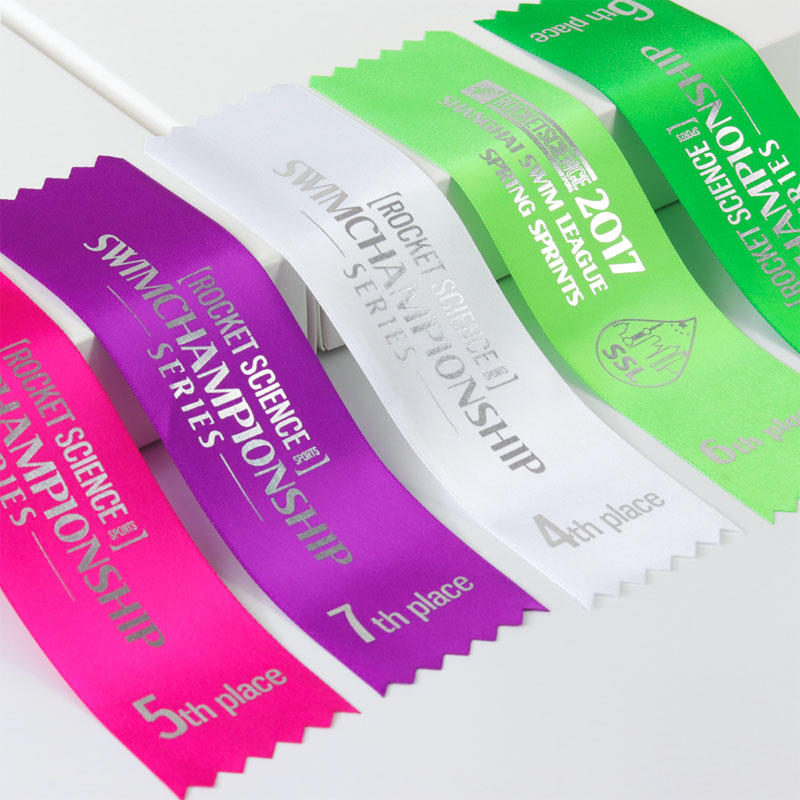
Próbki wstążek okolicznościowych weryfikowane pod kątem długości roli, koloru i krawędzi
Przed zatwierdzeniem dostawcy wstążek okolicznościowych kupujący musi zweryfikować konkretną próbkę lub dokumentację pomiarową potwierdzającą zgodność ze specyfikacją. Taki dowód eliminuje zgadywanie dotyczące koloru, faktury oraz wykończenia krawędzi.
Użyj tej checklisty podczas przeglądu próbki:
- Potwierdź, że próbka odpowiada specyfikacji zapytania ofertowego (szerokość, materiał, rodzaj krawędzi).
- Zmierz długość rolki, porównując ją z deklarowaną długością w jardach.
- Sprawdź jednolitość koloru oraz brak strzępienia czy luzujących się nici.
- Zweryfikuj precyzję druku lub tłoczenia, jeśli dotyczy.
- Poproś o próbkę produkcyjną z rzeczywistego biegu, a nie prototyp.
Po akceptacji dowodu kupujący może pewnie przejść do produkcji. Odrzucenie próbki na tym etapie zapobiega kosztownym przeróbkom w późniejszej fazie.
Datowane zdjęcia z produkcji, wymiary próbek oraz dokumentacja partii dla wstążek okolicznościowych
Na tym etapie kupujący musi posiadać kompletne odpowiedzi na zapytanie ofertowe oraz co najmniej jedną dokumentację pomiarową próbki, aby przejść do oceny dostawcy. Merytorycznym podstawą decyzji jest uporządkowane porównanie uwzględniające dowody dostawcy, zatwierdzenie próbki oraz kontrole związane z powtarzalnością zamówienia.
Dowody do uzyskania od dostawcy
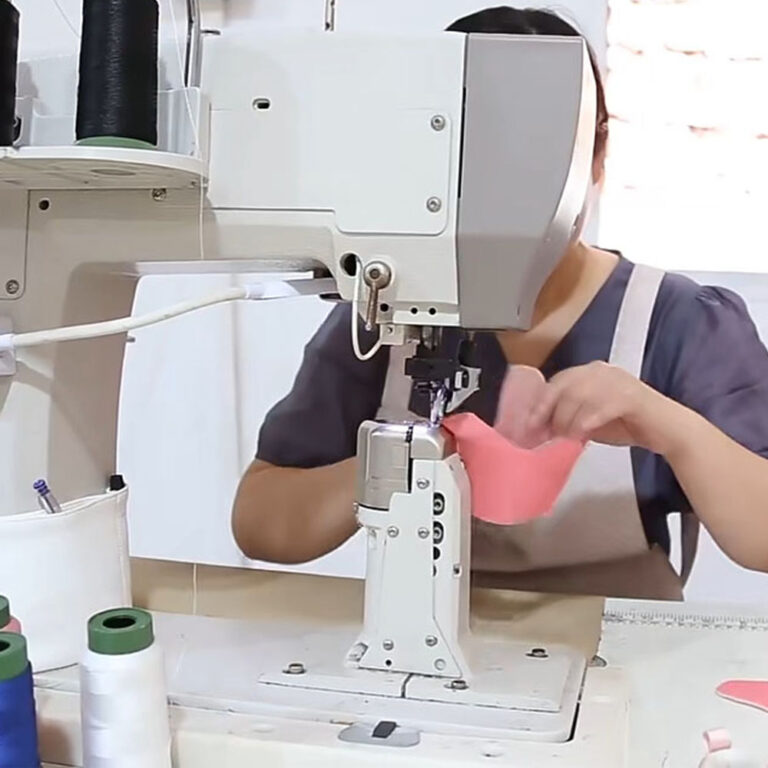
Zweryfikuj, czy dostawca przedkłada dokument rejestracyjny zakładu oraz świeże zdjęcie produkcji pokazujące maszynę do wytwarzania wstążek. Zapytaj: “Czy może Pan/Pani udostępnić zdjęcie maszyny do cięcia wstążek z dzisiejszą datą?” Potwierdza to aktywną zdolność produkcyjną, bez polegania na zdjęciach stockowych.
Dowody zatwierdzenia próbki
Poproś o próbkę przedprodukcyjną zgodną ze specyfikacją zapytania ofertowego. Zmierz szerokość, grubość i kolor wstążki względem zatwierdzonego standardu. Użyj kalibrowanej linijki oraz karty kolorów. Wyniki zanotuj w prostej tabeli.
| Punkt kontrolny | Wymóg | Wynik |
|---|---|---|
| Szerokość | W ramach tolerancji zatwierdzonej przez kupującego | Zaliczony / Niezaliczony |
| Kolor | Odpowiada wzoru Pantone | Zaliczony / Niezaliczony |
| Wykończenie krawędzi | Bez strzępienia się ani luzujących się nici | Zaliczony / Niezaliczony |
Jeśli którykolwiek punkt nie zostanie spełniony, zamów poprawioną próbkę przed kontynuowaniem.
Zapisy kontroli przy ponownych zamówieniach
Upewnij się, że dostawca prowadzi ewidencję partii dla każdej rundy produkcyjnej. Zapytaj: “Przypisujecie unikalny numer partii do każdego zwoju wstążki?” Gwarantuje to możliwość śledzenia przy ponownych zamówieniach i audytach jakości. Zanotuj odpowiedź dostawcy w swoim dokumencie decyzyjnym.
Po dalsze wytyczne dotyczące specyfikacji wstążek na zamówienie, odwiedź stronę OEM/ODM pod adresem https://ribbonoem.com/oem-odm/.
Pytaj dostawców wstążek okolicznościowych o studio prób, kontrolę jakości partii oraz termin realizacji
- Czy dostawca posiada oddzielne studio próbek, które potrafi dobrać do Fabryka wstążek MEEDEE szerokości, koloru oraz metody druku przed produkcją seryjną? Studio próbek potwierdza, że fabryka jest w stanie odtworzyć Twoją dokładną specyfikację przed złożeniem pełnego zamówienia produkcyjnego. Dostawca dostarcza fizyczną próbkę z pomiarem tolerancji szerokości, kodem koloru oraz rejestracją druku w terminie potwierdzonym przez dostawcę. Bez weryfikacji w studio możesz zatwierdzić specyfikację, której linia produkcyjna nie będzie w stanie odtworzyć, co spowoduje opóźnienia w zamówieniach lub ich odrzucenie. Zamów próbkę przedprodukcyjną i porównaj ją ze swoją kartą specyfikacji; zatwierdzenie dokonaj na piśmie.
- Jaką metodę weryfikacji stosuje dostawca do potwierdzenia szerokości, grubości i zgodności kolorów w całej partii produkcyjnej? Potrzebujesz powtarzalnego procesu pomiarowego, aby upewnić się, że każdy zwój spełnia wizualne i wymiarowe standardy Twojego wydarzenia. Dostawca używa skalibrowanego mikrometru do pomiaru grubości, spektrorfotometru do koloru oraz odnotowuje pomiary na poziomie partii w checklistcie QC. Poleganie wyłącznie na inspekcji wzrokowej może prowadzić do przesunięcia koloru lub wahania szerokości, które popsą wygląd wstążki na Twoich produktach. Poproś o kopię checklisty QC z ostatniej partii, która pasuje do Twojego materiału i metody druku.
- Jakie ryzyko zatwierdzenia grozi, jeśli standardowy czas realizacji produkcji przez dostawcę przekracza harmonogram Twojego wydarzenia? Spóźniona dostawa może zakłócić harmonogram Twojego wydarzenia, zmuszając do zastępstw lub odwołania w ostatniej chwili. Dostawca potwierdza standardowy czas realizacji produkcyjnej wynoszący 2–4 tygodnie od zatwierdzenia próbki, z pisemnym zobowiązaniem do zapewnienia wymaganej daty wysyłki. Jeśli ten czas jest dłuższy niż pozwala na to Twój harmonogram, możesz być zmuszony zaakceptować zamówienie realizowane w trybie pilnym, z wyższym kosztem lub niższą jakością. Porównaj czas realizacji dostawcy z ostatecznym terminem swojego wydarzenia; w przypadku wąskiego okna czasowego poproś o pisemną wycenę opłaty za ekspresową realizację oraz gwarancję terminu dostawy.
- Jakie dalsze kroki follow-up są potrzebne po tym, jak dostawca dostarczy wycenę i zatwierdzoną próbkę? Podpisane zatwierdzenie zapobiega nieporozumieniom dotyczącym zmian specyfikacji, korekt kosztów lub warunków dostawy przed rozpoczęciem produkcji. Dostawca wysyła ostateczne potwierdzenie zamówienia zakupowego, które odpowiada zatwierdzonej próbce, założeniom wyceny oraz harmonogramowi dostawy. Bez pisemnego follow-up dostawca może kontynuować pracę ze starą specyfikacją lub niezatwierdzonymi zmianami, co doprowadzi do przeróbek lub odrzucenia zamówienia. Podpisz i zwróć potwierdzenie zamówienia zakupowego; zachowaj kopię wraz z zatwierdzoną próbką i checklistą QC dla swoich dokumentów.
Referencje: Norma kontroli wyrywkowej ISO 2859-1.
Podsumowanie
Ostateczne zatwierdzenie wstążek na okazje specjalne sprowadza się do sprawdzenia, czy wybrany dostawca jest w stanie konsekwentnie dotrzymać ustalonego specyfikacji, kosztu i harmonogramu. Przed złożeniem zapytania ofertowego lub zatwierdzeniem próbki upewnij się, że materiał, szerokość, kod koloru oraz metoda druku dokładnie odpowiadają przypadkowi zastosowania w Twoim wydarzeniu, a następnie potwierdź minimalną ilość zamówienia (MOQ), czas realizacji oraz wszelkie dokumenty kontroli jakości (QC) dostarczane przez fabrykę. Porównując opcje według Twojej macierzy decyzyjnej i weryfikując specyfikację przy każdym kolejne etapie, minimalizujesz ryzyko zastępstw lub opóźnień w ostatniej chwili, zapewniając, że zamówiona wstążka będzie dokładnie tą, którą otrzymasz.
Aby złożyć zapytanie ofertowe dotyczące wstążek na okazje specjalne, skorzystaj z wstążki na specjalne okazje aby potwierdzić ostateczną specyfikację, założenia wyceny, zatwierdzenie próbki, dowody kontroli jakości, ryzyko akceptacji i dalsze działania dostawcy przed zamówieniem zbiorczym.
Często zadawane pytania
Jak kupiec B2B powinien wybrać typ produktu?
Wąską listę kandydatów dobierz według materiału, szerokości oraz metody druku odpowiadających przypadkowi użycia w ramach Twojego wydarzenia: satyna do okazji formalnych, grafit do trwałości lub organza przezroczysta. Porównaj koszt oraz minimalną ilość zamówienia dla tych parametrów w zapytaniu ofertowym i upewnij się, że standardowy zakres produkcyjny dostawcy (zazwyczaj 2–4 tygodnie od zatwierdzenia próbki) jest zgodny z harmonogramem Twojego wydarzenia.
Jaki dowód od dostawcy powinni zażądać kupujący w przypadku wstążek na okazje specjalne?
Złóż zapytanie o próbkę fizyczną zgodną z Twoimi dokładnymi specyfikacjami: szerokością, kolorem oraz nadrukiem, a następnie zmierz grubość wstążki oraz dokładność koloru względem wzornika Pantone. Zdokumentuj zatwierdzenie próbki na piśmie i potwierdź, czy system numeracji wsadowej dostawcy pozwoli na pełną identyfikowalność przy zamówieniach powtórzonych.
Co powinni ustalić kupcy przed zatwierdzeniem listy kontrolnej wyboru produktu?
Zatwierdź ostateczny arkusz specyfikacji – materiał, szerokość, kod koloru, metoda druku, wersja projektu graficznego, sposób pakowania oraz ilość na SKU – przed zaakceptowaniem listy kontrolnej. Potwierdź minimalną ilość zamówienia (MOQ) oraz czas realizacji w ofercie, a także upewnij się, że dostawca posiada odpowiednie certyfikaty (np. OEKO-TEX Standard 100 dla kontaktu z skórą, GRS dla stylów z poliestrurecyklingowanego), aby zminimalizować ryzyko niespełnienia wymagań regulacyjnych.
przekazanie zapytania ofertowego: Wyślij specyfikacje do przeglądu.
Nota redakcyjna
Opracowane przez zespół redakcyjny MEEDEE Ribbon i zweryfikowane na podstawie bieżących informacji o produktach, personalizacji i źródłach dostaw dostarczonych przez Meedee Ribbon Inc. Warunki handlowe, takie jak MOQ, próbki i czas realizacji, należy potwierdzić dla każdej specyfikacji.