 PL
PL  EN
EN  FR
FR  DE
DE  KO
KO  ES
ES  SV
SV  AR
AR  DA
DA  CS
CS  IT
IT  JA
JA  TR
TR  PT
PT  NL
NL  FI
FI Gotowa kokarda wygląda jak produkt wstążkowy, ale wyceniana jest jak produkt pracochłonny. Wstążka stanowi mniejszość kosztu, a każda specyfikacja dotycząca sekwencji montażu zmienia cenę bardziej niż sam materiał.
W tym opisie ujęto cztery zmienne decydujące o cenie kokardy lub elastycznej pętelki, próbkę potwierdzającą powtarzalną operację, a nie pojedynczy egzemplarz, oraz sposób zapisu ilości, aby trzy oferty były porównywalne.
Nie kupujesz już wstążki – kupujesz montaż.
Gotowa kokarda i elastyczna pętelka wyglądają jak produkty wstążkowe, ale wyceniane są jak produkty pracochłonne. Wstążka stanowi mniejszość kosztu. Tak naprawdę kupujesz stałą sekwencję operacji ręcznych i maszynowych powtarzaną dziesiątki tysięcy razy, a każda zmienna ofertowa dotycząca tej sekwencji zmienia kwotę bardziej niż materiał.
Dlatego wycena kokardy, która przychodzi bez pytań, jest sygnałem ostrzegawczym. Dostawca, który wytwarzał ten produkt, wie, które z Państwa wymagań jest kosztowne, i zapyta o nie.
Cztery czynniki, które decydują o cenie kokardy lub pętelki
Żaden z tych czterech czynników nie dotyczy materiału, dlatego RFQ skoncentrowane na materiale daje wyceny, których nie da się porównać. Rozpatrz je po kolei, a ten kosztowny zwykle sam się ujawni.
Operacje na sztukę, a nie metry na zamówienie
Dwa programy o tym samym rocznym wolumenie mogą różnić się ceną jednostkową nawet o połowę tylko dlatego, że jeden realizowany jest w długich, następujących po sobie partiach dla każdego wariantu, a drugi zmienia wzór co kilka tysięcy sztuk. Linie montażowe rozliczają się za przezbrojenia w minutach, nie w metrach, więc liczba, która ma znaczenie przy wycenie kokard, to ilość identycznych sztuk wykonywanych pod rząd.
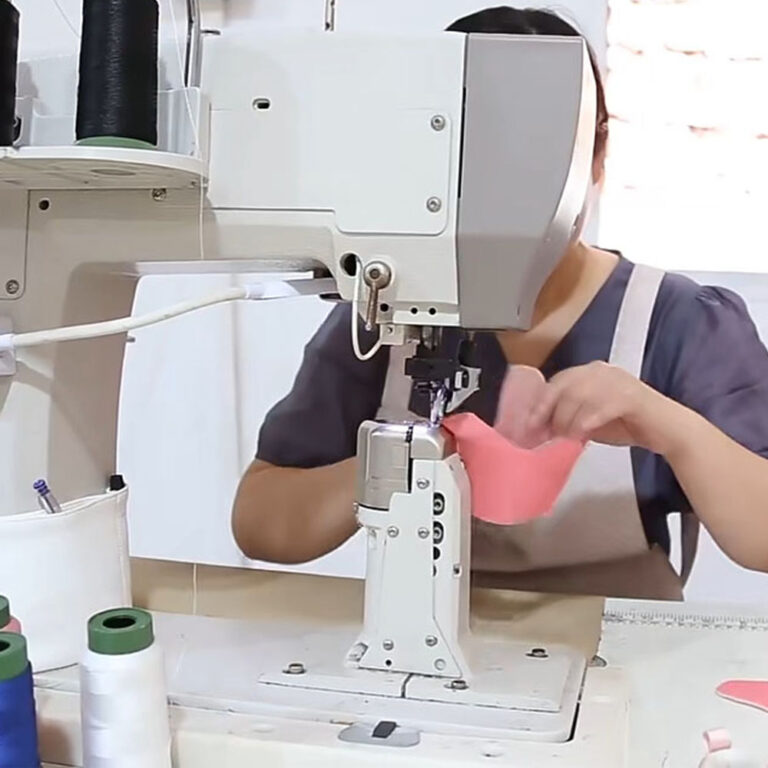
Wyceniaj kokardę tak, jak produkuje ją fabryka. Każda pętla to jedna operacja robocza, każdy ogon to materiał plus cięcie, a każde mocowanie to stanowisko, przy którym ktoś stoi. Wzór z sześcioma pętlami i zszywanym środkiem nie jest tylko nieznacznie droższy od wzoru z trzema pętlami i środkiem spinanym zszywkami; to inna linia produkcyjna. MEEDEE Ribbon oferuje wstążki o szerokości 3–100 mm w dziewięciu rodzinach wstążek, więc wstążka podawana do tej linii również jest realną zmienną, a węższa wstążka przy tej samej liczbie pętli zmienia zarówno materiał, jak i obsługę.
| Zmienna | Dlaczego to kosztuje | Co należy podać w RFQ |
|---|---|---|
| Liczba pętelek i długość ogonków | Każda pętelka to operacja; każdy ogonek to materiał i cięcie | Liczba pętelek, szerokość gotowej kokardy, długość ogonków i styl cięcia |
| Sposób mocowania | Środek zszywany, środek szyty i zadrukowana taśma to trzy różne linie produktowe. | Sposób mocowania – albo zapytaj dostawcę o rekomendację z uzasadnieniem. |
| Element mocujący. | Podkładka samoprzylepna, elastyczna pętla, skręcana zapinka i klips – każdy z nich dodaje jedno stanowisko produkcyjne. | Jak kokarda trafia do opakowania: ręcznie, maszynowo lub wcześniej przymocowana |
| Prezentacja | Kokardy pakowane na płasko są tanie, ale docierają zgniecione; kokardy formowane przetrwają transport i kosztują więcej | Czy kokarda musi dotrzeć uformowana i co odbiorca z nią robi |
Elastyczna taśma dodaje tryb awarii, który ujawnia się późno.
Elastyczne pętle zajmują to samo miejsce w strukturze kosztów, ale z dodatkowym trybem awarii: taśma musi zachować sprężystość po naciągnięciu na opakowanie, magazynowaniu i transporcie. Pętla, która idealnie przylega przy zatwierdzeniu, a po ośmiu tygodniach jest luźna, uległa awarii — po tym, gdy już za nią zapłacono.
Próbka, która potwierdza kokardę, i ta, która tego nie robi.
Pojedyncza próbka dowodzi, że wyrób można wykonać. Nie mówi jednak nic o tym, czy można go wykonać czterdzieści tysięcy razy w tych samych wymiarach, a to jedyne pytanie, które się liczy po złożeniu zamówienia.
Zatwierdź krótką serię, a nie jedną dobrą sztukę.
Próbka kokardy wysłana luzem w woreczku potwierdza tylko kokardę. Nie potwierdza procesu, ponieważ proces to powtarzalna operacja. Kontrolą po stronie fabryki, na której warto nalegać, jest próbka przedprodukcyjna pobrana z krótkiej serii, a nie wykonana indywidualnie na stanowisku, zatwierdzona dokumentem określającym materiał wstążki, szerokość w milimetrach, liczbę pętelek, wymiary gotowego produktu, sposób mocowania, element mocujący oraz prezentację opakowania.
- Poproś o kilka sztuk z tej samej krótkiej serii i zmierz rozrzut, a nie najlepszą sztukę. Jednolitość to cały produkt.
- W przypadku elastycznych pętli rozciągnij próbkę do pozycji roboczej, przytrzymaj ją, zwolnij i zmierz powrót do kształtu. Powtórz po kilku tygodniach, gdy próbka odleży.
- Przepuść jedną próbkę przez swój własny proces pakowania. Kokarda, która dobrze leży w dłoni, a na linii sprawia kłopot, to koszt robocizny, który będziesz ponosić każdego dnia.
- Przechowuj zatwierdzoną próbkę po obu stronach i sprawdzaj ponowne zamówienie względem niej, a nie względem poprzedniej dostawy.
Pisanie RFQ tak, aby trzy wyceny coś znaczyły.
Wyceny montażu różnią się z przyczyn strukturalnych, a nie dlatego, że jeden dostawca jest tańszy. Dwa parametry eliminują większość tych rozbieżności, a ich podanie nic nie kosztuje.
Podaj ilość na SKU oraz datę, do której potrzebujesz towaru.
Podaj ilość na każdy SKU oraz liczbę SKU, a nie łączną całkowitą, ponieważ koszt montażu na sztukę spada wraz z długością serii na wariant, a nie od wielkości zamówienia. Zatwierdź kolor na rzeczywistej wstążce i podaj datę, do której towar musi być w Twoim magazynie, aby dostawca mógł zaplanować produkcję od tyłu. Standardowy czas produkcji wynosi 2–4 tygodnie po zatwierdzeniu próbki; programy z nadrukiem niestandardowym lub specjalnym barwieniem są potwierdzane odrębnie w wycenie, a minimalne zamówienie (MOQ) jest weryfikowane względem materiału, szerokości, koloru, metody druku, wersji projektu graficznego, sposobu pakowania, ilości na SKU oraz harmonogramu.
Zobacz kokardki w zakresie asortymentu wyrobów gotowych, rodzin wstążek hurtowych dla materiału za nimi, Produkcja taśm na zamówienie dla ścieżek personalizacji oraz Produkcja wstążek OEM i ODM dla programów pod marką własną.
Punkt kontrolny RFQ
Liczba pętelek, szerokość końcowa, długość ogonków, metoda mocowania, sposób przytwierdzenia, prezentacja oraz ilość na SKU. Wrócimy z minimum, jakie dają te zmienne, i oznaczymy tę kosztowną.
Wnioski
Kokardy i pętle elastyczne to procesy montażowe ubrane w wstążkę. Wyceniaj je według operacji: liczba pętli, mocowanie, przytwierdzanie i prezentacja, wyceniane względem ilości na SKU. Następnie zatwierdzaj je na kilku sztukach z krótkiej serii, a nie na jednej dobrej próbce; a w przypadku elastyku mierz powrót do pierwotnego kształtu po postarzeniu próbki, a nie w dniu jej dostarczenia.
Często zadawane pytania
Dlaczego kokarda jest wyceniana za sztukę, a nie za metr?
Ponieważ wstążka stanowi niewielką część kosztu. Na cenę wpływa liczba operacji na sztukę oraz to, ile identycznych sztuk wykonuje się jedna po drugiej, dlatego ilość na SKU ma większe znaczenie niż całkowita wielkość zamówienia.
Jak zapobiec zwiotczeniu pętli elastycznych w magazynie?
Przetestuj powrót na próbce starzonej, a nie świeżej. Rozciągnij do pozycji roboczej, przytrzymaj, zwolnij, zmierz, a następnie powtórz po kilku tygodniach przechowywania próbki w normalnych warunkach.
Czy kokardy mogą dotrzeć już uformowane, a nie na płasko?
Tak, i warto podjąć tę decyzję świadomie. Uformowane kokardy lepiej znoszą transport i kosztują więcej przy pakowaniu i wysyłce; kokardy pakowane na płasko są tańsze i przenoszą na Państwa pracę formowania.
Nota redakcyjna
Opracowane przez zespół redakcyjny MEEDEE Ribbon i zweryfikowane na podstawie bieżących informacji o produktach, personalizacji i źródłach dostaw dostarczonych przez Meedee Ribbon Inc. Warunki handlowe, takie jak MOQ, próbki i czas realizacji, należy potwierdzić dla każdej specyfikacji.