MEEDEE Ribbon is a B2B ribbon manufacturer in Xiamen, China, with 20+ years of OEM and ODM ribbon manufacturing experience.
Expert Review
This article was reviewed by the MEEDEE Ribbon editorial team.
View full profile
Certifications: Meedee Ribbon maintains Oeko-Tex Standard 100 (Class II skin-contact), GRS (Global Recycled Standard for RPET products), Sedex SMETA audit, and ISO 9001:2015 quality management certification. See full scope details.
Home
Make (Ribbon Flowers): A Step-by-Step DIY Tutorial
Table of Contents
Summary
Compare satin ribbon options by appearance, composition, print and finish requirements. Recycled content, biodegradability and compostability are separate claims; verify the finished construction and supporting evidence before including them in packaging or marketing.
What Are Eco-Friendly Satin Ribbons?
Satin ribbons may use recycled polyester, lyocell or cotton. Those fibre descriptions do not establish that the finished ribbon is biodegradable or environmentally preferable. Assess composition, dyes, finishes and the proposed disposal conditions.
Types of Eco-Friendly Satin Ribbons
- Recycled Polyester Satin Ribbons: Made from post-consumer plastic bottles, these ribbons help reduce plastic waste and lower the carbon footprint.
- Wood-based lyocell satin: verify fibre sourcing and finished-ribbon evidence before making a biodegradability claim.
- Organic Cotton Satin Ribbons: Produced without harmful chemicals, organic cotton ribbons are both eco-friendly and safe for sensitive applications.
Pro Tip: When selecting eco-friendly satin ribbons, consider the end-use to choose the most appropriate material type that aligns with your sustainability goals.
How Are Biodegradable Ribbons Made?
A biodegradability claim requires evidence for the complete ribbon, including dyes, finishes and attachments, under stated disposal conditions. It does not automatically establish compostability or harmless decomposition.
Sustainable Sourcing
- Wood Fiber Tencel: Produced from sustainably managed forests, tencel fibers are regenerated through an eco-friendly closed-loop process.
- Recycled Polyester: Utilizes recycled plastic bottles, diverting waste from landfills and oceans.
Production Techniques
- Low-Impact Dyeing: Employs natural or low-impact dyes to minimize chemical usage and reduce water pollution.
- Energy-Efficient Manufacturing: Utilizes renewable energy sources and optimized processes to lower carbon emissions.
Why Choose Recycled Satin Ribbons?
Opting for recycled satin ribbons not only supports environmental sustainability but also offers numerous practical benefits for businesses and consumers alike.
Environmental Impact
- Waste Reduction: Recycled ribbons help decrease plastic and textile waste, contributing to a circular economy.
- Lower Carbon Footprint: Manufacturing recycled ribbons generally requires less energy compared to producing new materials.
Economic Advantages
- Cost-Effective: Utilizing recycled materials can reduce production costs, making eco-friendly ribbons an affordable option for businesses.
- Brand Image: Demonstrating a commitment to sustainability can enhance a brand’s reputation and attract environmentally conscious consumers.
Pro Tip: Highlight the use of recycled satin ribbons in your marketing materials to appeal to eco-minded customers and differentiate your brand in the market.
What Are the Benefits of Using Biodegradable Ribbons?
A construction with documented disposal characteristics may support a defined packaging objective. Verify the finished ribbon and stated conditions rather than assuming an environmental benefit from the label.
Sustainability
- Compostability: a separate claim for finished ribbons requiring evidence for the applicable composting conditions.
- Renewable Resources: Made from materials that can be replenished, ensuring a sustainable supply chain.
Versatility
- Appearance and decorative use: assess the actual construction through samples; environmental claims require separate evidence.
- Safe for the Environment: Unlike synthetic ribbons, they do not release harmful chemicals during decomposition.
Consumer Appeal
- Buyer preferences do not substantiate an environmental claim. Match the required appearance and documented material and disposal characteristics to the proposed application.
- Enhanced Product Value: Eco-friendly packaging can add perceived value to your products, encouraging repeat business.
How to Recycle Satin Ribbons Properly
Recycling satin ribbons correctly ensures that their environmental benefits are fully realized. Here’s how to manage the recycling process effectively.
Identify Recyclable Materials
- Check Material Composition: Ensure the ribbons are made from recyclable materials like polyester or tencel.
- Remove Non-Recyclable Elements: Separate any non-recyclable components such as glue or embellishments before recycling.
Recycling Methods
- Textile Recycling Facilities: Locate local textile recycling centers that accept ribbons and other fabric materials.
- Repurposing: Encourage creative repurposing of ribbons for new projects, reducing the need for recycling.
Proper Disposal
- Avoid Landfills: Ensure ribbons are recycled or composted to prevent them from ending up in landfills where they can take years to decompose.
- Educate Consumers: Provide clear instructions on how customers can recycle or compost your ribbons, promoting responsible disposal practices.
Pro Tip: Partner with recycling programs or offer take-back initiatives to facilitate the recycling process for your customers.
What Types of Eco-Friendly Ribbons Are Available?
The market offers a diverse range of eco-friendly ribbons, each catering to different needs and preferences. Understanding the various types can help you choose the right ribbon for your specific applications.
Recycled Polyester Satin Ribbons
- Features: Smooth texture, vibrant colors, durable.
- Uses: Gift wrapping, fashion accessories, corporate branding.
Wood Fiber Tencel Satin Ribbons
- Features: sheen and fibre options; environmental claims depend on construction and supporting evidence.
- Uses: Eco-friendly packaging, home decor, bridal accessories.
Organic Cotton Satin Ribbons
- Features: soft-texture options; suitability for sensitive skin requires applicable evidence.
- Uses: Baby products, eco-conscious gift wrapping, organic fashion.
Acetate Satin Ribbons
- Features: Lightweight, glossy finish, versatile.
- Uses: Fashion embellishments, craft projects, decorative bows.
Recycled Wood Fiber Tencel Ribbons
- Features: durability depends on construction; verify any recycled-content or biodegradability claim separately.
- Uses: High-end packaging, sustainable branding, eco-friendly events.
Comparison Table:
| Ribbon Type |
Material Source |
Key Features |
Ideal Uses |
| Recycled Polyester Satin |
Recycled plastic bottles |
Durable, vibrant colors |
Gift wrapping, branding |
| Wood Fiber Tencel Satin |
Sustainable wood pulp |
Natural sheen; verify any biodegradability claim for the finished construction. |
Eco-friendly packaging, decor |
| Organic Cotton Satin |
Organic cotton farms |
Soft texture; no hypoallergenic claim without supporting evidence. |
Baby products, organic fashion |
| Acetate Satin |
Synthetic acetate fibers |
Lightweight, versatile |
Fashion embellishments, crafts |
| Recycled Wood Fiber Tencel |
Recycled wood pulp |
Durability and disposal characteristics depend on the finished construction and evidence. |
High-end packaging, events |
How to Incorporate Eco-Friendly Ribbons into Packaging
Integrating eco-friendly ribbons into your packaging not only enhances the visual appeal but also aligns your brand with sustainability values. Here’s how to do it effectively.
Choose the Right Ribbon Type
Select ribbons that complement your packaging materials and product type. For example, use recycled polyester satin ribbons for sleek and modern packaging, or wood fiber tencel satin ribbons for a natural and rustic look.
Optimize Ribbon Width and Length
Ensure the ribbon width and length are appropriate for your packaging size. Wider ribbons (6-25mm) offer a bold statement, while narrower ribbons (3-10mm) provide subtle elegance.
Creative Wrapping Techniques
- Classic Bow: A timeless technique that adds a touch of sophistication.
- Twist and Tie: Creates a unique and modern look by twisting the ribbon before tying.
- Layered Ribbons: Combine multiple ribbons of different colors and widths for a dynamic and eye-catching design.
Sustainable Practices
- Minimize Waste: Use ribbons efficiently to reduce excess material.
- Eco-Friendly Adhesives: Opt for sustainable glues or adhesives that do not compromise the eco-friendly nature of the ribbons.
Pro Tip: Incorporate custom satin ribbons with your brand logo to reinforce brand identity while maintaining an eco-friendly image.
Where to Source Sustainable Ribbons
Finding reliable suppliers of sustainable ribbons is crucial for maintaining consistency and quality in your projects. Here are some trusted sources to consider.
Meedee Ribbon: RPET Ribbon Lines with GRS
Meedee Ribbon is a ribbon manufacturer in Xiamen, China, and holds GRS for its recycled polyester (RPET) ribbon lines.
Online Marketplaces
- Amazon: Offers a diverse selection of eco-friendly ribbons with customer reviews to guide your choices.
- Etsy: Features handmade and sustainable ribbon options from various sellers.
Local Craft Stores
- Michaels: Known for its extensive craft supplies, including eco-friendly ribbon options.
- Joann Fabrics: Provides a variety of sustainable ribbons suitable for different projects.
Specialty Suppliers
- Supplier selection: request disclosed material composition and evidence for the specific environmental claim, rather than relying on an eco-friendly supplier label.
- Custom Ribbon Manufacturers: Offer personalized ribbon designs to match your branding needs.
Pro Tip: Request samples from suppliers like Meedee Ribbon to evaluate quality and suitability before making bulk purchases.
FAQs
What makes satin ribbons eco-friendly?
Satin ribbons may contain recycled polyester, lyocell or cotton. Recycled and renewable describe material sourcing; neither automatically establishes biodegradability of the finished ribbon. Confirm composition and the evidence for the proposed claim.
How can I ensure my ribbons are biodegradable?
Request a test report covering the finished ribbon, its dyes, finishes and attachments, and the stated disposal conditions. A natural fibre label alone does not establish biodegradability or compostability for the finished product.
Can eco-friendly ribbons be as durable as traditional ribbons?
Yes, eco-friendly ribbons like recycled polyester and wood fiber tencel satin ribbons are designed to be durable. They offer similar or even enhanced durability compared to traditional ribbons, making them suitable for various applications without compromising quality.
Where can I purchase sustainable satin ribbons in bulk?
You can purchase sustainable satin ribbons in bulk from manufacturers like Meedee Ribbon, which holds GRS for its recycled polyester (RPET) ribbon lines.
Are eco-friendly ribbons suitable for all types of packaging?
Absolutely. Eco-friendly ribbons come in various widths, colors, and materials, making them suitable for a wide range of packaging needs, from delicate gift wrapping to sturdy product packaging for wholesale distribution.
How do eco-friendly ribbons contribute to sustainability?
Evaluate specific, documented material and process claims. Recycled content or a renewable fibre description does not by itself establish biodegradability, a circular disposal route or a lower overall environmental impact.
Summary
- Eco-Friendly Materials: Choose ribbons made from recycled polyester, wood fiber tencel, or organic cotton for sustainability.
- Disposal claims: verify finished-product evidence and the relevant disposal route before claiming an environmental benefit.
- Sustainable Sourcing: Partner with reliable suppliers like Meedee Ribbon to source high-quality eco-friendly ribbons.
- Versatile Applications: Use eco-friendly ribbons for packaging, decorations, fashion, and more to enhance your brand’s sustainability.
- Creative Techniques: Incorporate various wrapping and embellishing techniques to maximize the aesthetic appeal of your eco-friendly ribbons.
- Environmental Impact: Contribute to a greener future by selecting sustainable ribbons that reduce waste and support renewable resources.
- Customer Appeal: Attract eco-conscious consumers by showcasing your commitment to sustainability through the use of eco-friendly ribbons.
- Durability and Quality: Enjoy durable and high-quality ribbons without compromising on environmental values.
- Educational Initiatives: Educate your customers on the benefits and proper recycling of eco-friendly ribbons to promote responsible usage.
- Commitment to Sustainability: Embrace a commitment to sustainability by integrating eco-friendly ribbons into all aspects of your business operations.
Embark on a journey towards sustainable elegance with eco-friendly satin ribbons. Whether you’re enhancing your packaging, decorating for events, or crafting unique fashion pieces, these ribbons offer a perfect blend of beauty and environmental responsibility. Choose sustainable ribbons to not only elevate your projects but also contribute to a greener and more sustainable future.
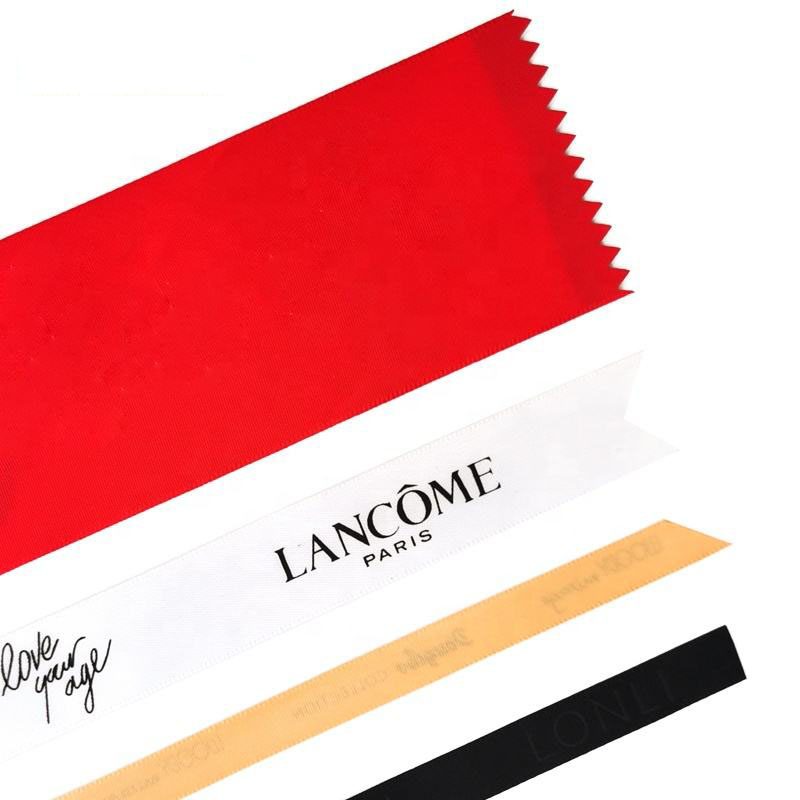
Alt: Eco-Friendly Satin Ribbons
For more information on sustainable ribbon options and to explore our extensive collection, visit Meedee Ribbon today. Discover how our eco-friendly ribbons can enhance your projects while supporting environmental sustainability.
Comments
Learn the latest trends and knowledge about the ribbon business from MEEDEE Ribbon, a ribbon manufacturer in Xiamen, China.
Key facts: 20+ years of OEM and ODM ribbon manufacturing | Xiamen, China | 9 ribbon families | 3–100 mm widths | OEKO-TEX Standard 100, GRS and ISO 9001 certifications plus a Sedex SMETA audit
Related Resources
Commercial Terms Note
MOQ, pricing, and lead times vary by specification. Each project requires individual feasibility review based on material, quantity, complexity, and timing. Confirm current terms via our RFQ form or email [email protected].

 EN
EN  FR
FR  DE
DE  KO
KO  ES
ES  SV
SV  AR
AR  DA
DA  CS
CS  IT
IT  JA
JA  TR
TR  PT
PT  NL
NL  PL
PL  FI
FI