
 EN
EN  FR
FR  DE
DE  KO
KO  ES
ES  SV
SV  AR
AR  DA
DA  CS
CS  IT
IT  JA
JA  TR
TR  PT
PT  NL
NL  PL
PL  FI
FI Packaging buyers need to choose between ribbed structure and smooth sheen without losing print clarity, sample consistency, or reorder control.
This comparison turns material feel, edge behavior, decoration method, MOQ, and supplier evidence into an approval path for grosgrain and satin options.
Direct answer: Choose grosgrain when grip, structure, and a ribbed texture support the pack design; choose satin when smooth sheen and a softer drape are the priority. Confirm the choice with an application sample before comparing quotes.
How buyers should compare grosgrain vs satin ribbon packaging options
| Criteria | Baseline option | Confirmed option | Buyer meaning | Risk to avoid | Follow-up |
|---|---|---|---|---|---|
| Specification details | Ribbed weave with visible crosswise ridges; matte finish; holds shape under tension | Smooth, glossy weave with high luster; drapes softly; prone to fraying at cut edges | Grosgrain's structure resists curling and maintains knot integrity; satin's sheen elevates perceived value but requires sealed edges for durability | Specifying satin without edge-sealing leads to frayed ribbons on retail shelves; grosgrain may appear too casual for luxury packaging | Request a sealed-edge sample for satin; verify grosgrain width tolerance against your packaging die-cut |
| Quality control | Consistent weave density; less prone to color variation; passes ISO 2859-1 sampling with fewer defects | Higher risk of dye lot variation and edge fraying; requires the agreed sampling plan or tighter inspection for bulk runs | Grosgrain's stable construction reduces QC rejections; satin demands stricter incoming inspection and supplier proof of dye-batch consistency | Accepting satin without a pre-production sample and dye-lot report can cause visible color mismatch across packaging units | Document approved sample and dye-lot reference for satin; set AQL level in your RFQ |
| Approval risk | Lower approval risk due to predictable texture and color; sample sign-off typically passes first submission | Higher approval risk from sheen variation and edge finishing; multiple sample rounds may be needed | Grosgrain's matte finish reduces visual disagreement; satin's gloss can appear different under retail lighting, causing rework | Approving satin without a lighting-standard photo or physical sample leads to costly reorders and packaging delays | Require a physical sample under your store's lighting; include edge-finish specification in the approval form |
For the two ribbon constructions for packaging, preserve the specification details decision under one revision number: keep the supplier response, marked sample, approved specification, quotation, and approval owner together. If the evidence conflicts with the approved record, hold the quote, sample, or production release until the deviation is explained in writing. Once the buyer and designated technical authority have accepted the evidence, carry the signed decision record into the purchase order, production handoff, shipment release, and later reorder review so every team works from the same baseline.
Performance and use-case fit
Grosgrain ribbon suits packaging that needs tight knots, structural bows, or repeated handling without fraying. Satin ribbon works best for gift boxes and luxury bags where visual sheen drives perceived value. Check your packaging's closure method and handling frequency before selecting material. A sample run under actual packing conditions reveals edge wear and knot stability.
Cost, MOQ, and customization trade-offs
Grosgrain's lower material cost and wider standard-width availability reduce per-unit expense for bulk orders. Satin commands a premium but may require custom dye lots and sealed edges, increasing MOQ and lead time. Confirm your order quantity and color requirements with the supplier before finalizing. A cost-per-unit comparison across your forecasted volume helps avoid budget overruns.
Quality and supplier-risk comparison
Grosgrain's consistent weave and lower dye absorption reduce color variation and defect rates in production. Satin demands tighter incoming inspection, including dye-lot reports and edge-sealing verification. Set an AQL level in your RFQ and require a pre-production sample for both materials. Document the approved sample with lighting conditions to prevent approval disputes during bulk delivery.
What grosgrain vs satin ribbon packaging checks belong in sample approval
For packaging buyers, use the sample-approval table as a controlled comparison between grosgrain and satin ribbon. Each row should identify the requirement, approval evidence, and buyer action before production.
| Requirement | Factory control | Evidence to verify | Order risk | RFQ follow-up |
|---|---|---|---|---|
| Sample approval | Factory holds pre-production sample against approved master. | Compare physical sample to sealed reference under buyer-approved viewing conditions. | Off-spec sample causes packaging line stoppage and rework. | Request the agreed lot-inspection report and sealed sample before shipment. |
| Material / substrate | Mill certifies fiber content and weave construction per spec. | Compare fiber declaration, construction and weight against the approved material specification. | Substituted material alters drape, strength, or print adhesion. | Ask for material declaration and third-party test certificate. |
| Width or size tolerance | Factory measures width at three points per roll with the buyer-approved tolerance. | Use calibrated caliper on 10 random samples from the lot. | Variance beyond tolerance causes misfit in packaging or bow loops. | Confirm tolerance range in RFQ and approve width gauge report. |
| Finish or color control | Dye lot is matched to Pantone standard with buyer-approved color tolerance. | Record the agreed color-reading method and compare the result with the approved lab dip. | Color drift leads to rejected retail packaging or brand inconsistency. | Approve lab dip and request dye lot continuity plan. |
| Packing format | Factory winds ribbon on cores with consistent tension and no tangles. | Inspect roll ends, core diameter, and yardage per spool. | Poor winding causes downtime in automated packaging equipment. | Specify packing format in PO and request winding sample. |
Read the rows as one approval sequence for this ribbon order. Start with sample approval; use the risk and buyer-action columns to decide whether its evidence is sufficient. Verify it with the inspection method and approval evidence recorded in the table.
Keep the supplier response, marked sample, and approval owner for the selected ribbon route under the same revision number. If any proof conflicts with the approved record, hold the quote, sample, or production release until the supplier explains the deviation in writing. Before closing the checkpoint, reconcile the latest drawing, sample, quotation, and approval comments, identify which record controls if they disagree, and document the resolution. Carry the signed sample-approval table into the purchase order and production handoff so the same checks support quote comparison, sample approval, shipment release, and later reorders.
Physical sample comparison
When evaluating satin ribbons against grosgrain alternatives, place both samples side by side under controlled lighting. Check edge finish, weave density, and hand feel. Document any deviation from the approved master. This step prevents costly misinterpretation of surface gloss or rib definition before bulk production begins.
Artwork and color sign-off
Secure a signed lab dip or printed strike-off that matches your Pantone reference. For packaging that combines both ribbon types, verify that the dye lots are compatible and that the color appears consistent across different weaves. Approve the artwork only after confirming it meets your brand's exact visual standards.
RFQ checkpoint
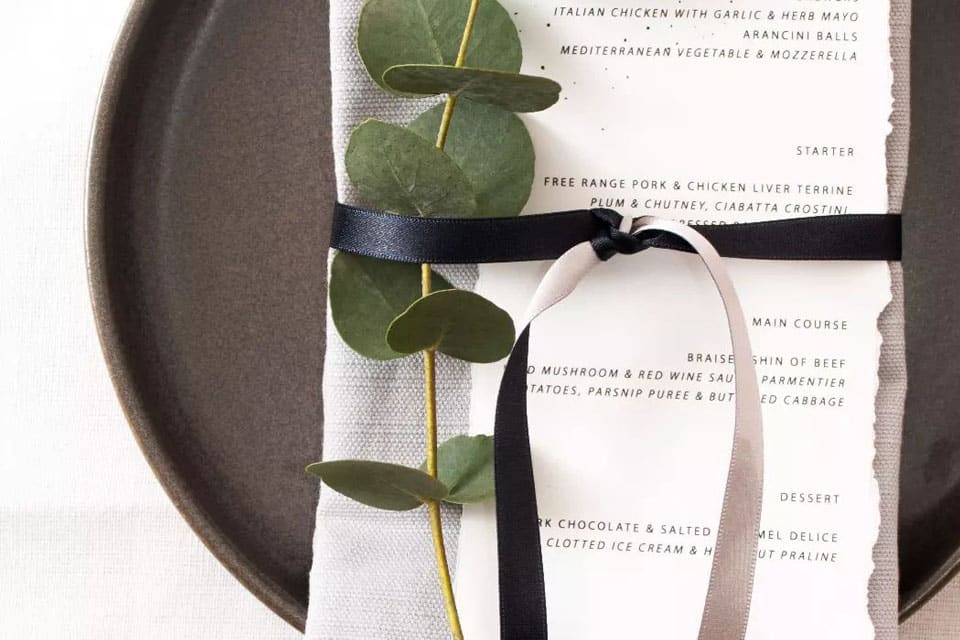
Supplier evidence for material and print compatibility
Do not assume that the same artwork will print identically on ribbed grosgrain and smooth satin. Ask the supplier to produce both options with the same artwork revision, ink or foil system, custom ribbon manufacturing width, and viewing conditions, then keep the marked samples with the quote.
Decision criteria to confirm
Compare edge definition, small-letter legibility, color appearance, ink or foil adhesion, and the way the printed ribbon bends around the intended package. Record any bleed, cracking, transfer, or color shift as an observable sample issue rather than accepting a general claim that one material “prints better.”
RFQ details to send
In the quote request, identify the ribbon construction, width, color reference, print method, artwork revision, smallest critical detail, intended knot or fold, packing route, order quantity, and approval method. Require the supplier to separate material, tooling or setup, printing, edge finishing, packing, and delivery assumptions in the quotation.
Production handoff details
Before bulk production, sign the selected physical sample and record its material code, dye-lot reference, print settings supplied by the factory, approved artwork, edge treatment, and inspection checkpoint. If the bulk proof differs from that record, hold release until the supplier explains and corrects the deviation in writing.
RFQ handoff checklist for material approval
At this material approval checkpoint, the buyer must have a documented quote request handoff that includes spec sheets, cost breakdowns, and sample evaluation criteria before proceeding to production. The MEEDEE Ribbon editorial team, which publishes B2B ribbon sourcing and customization, recommends the following ordered checklist to formalize approval for the two ribbon constructions for packaging.
- Specs confirmation: Verify width, thickness, color, and finish against the original packaging design. Ensure the ribbon type (grosgrain or satin) matches the intended use—e.g., grosgrain for durability, satin for sheen.
- Cost review: Compare unit costs and total cost of ownership, including potential waste or rework from ribbon defects. Note that satin may cost more per yard for high-luster finishes.
- Production risk assessment: Identify risks such as color bleeding (satin) or fraying (grosgrain) and confirm factory quality controls. Request a risk mitigation plan from the supplier.
- Factory execution capability: Confirm the supplier can consistently produce to your tolerance and has experience with custom ribbon orders. Request a production run sample.
- quote request/sample handoff: Submit signed off spec sheets, approved sample, and cost agreement to the supplier. Ensure the handoff includes a clear approval date and next steps for bulk production.
For a quick specs comparison, refer to the table below. The table covers key attributes that drive material selection.
| Attribute | Grosgrain Ribbon | Satin Ribbon |
|---|---|---|
| Texture | Ribbed, matte | Smooth, glossy |
| Durability | High (tight weave) | Medium (can fray) |
| Cost per yard | Lower (mass production) | Higher (luster finish) |
| Best for | Functional packaging, ties | Premium gift boxes, bows |
After reviewing the checklist and table, the buyer should have a clear material approval decision. For more on custom ribbon specifications, visit wholesale ribbon families.
Bulk release and reorder controls
An unclear specification or approval record can lead to costly production delays, inconsistent ribbon appearance, and rejected shipments—directly impacting your packaging timeline and budget. For the two ribbon constructions, the differences in weave, edge finish, and dye absorption mean that even a minor deviation from the approved sample can result in a visibly different product.
Supplier evidence to request
Before bulk release, verify that the supplier’s production batch matches the approved sample. Check the ribbon’s width, thickness, color fastness, and edge finish (satin’s smooth edge vs grosgrain’s ribbed edge). Request a production sample or inline inspection report to confirm consistency.
Sample approval evidence
Ensure the approved sample is documented with clear specs: material (e.g., polyester), width, weave type, and color reference. Both parties should sign off on a physical or digital sample, including tolerance ranges for color and texture. This prevents disputes during bulk release.
Reorder control records
For reorders, confirm that the same spec sheet and approved sample are used. Request a pre-production sample from the new batch to verify consistency. The MEEDEE Ribbon editorial team publishes B2B ribbon sourcing, customization, and sampling guides to help buyers maintain control across orders. For factory audits or quality checks, visit MEEDEE ribbon factory.
Source check: ISO 2859-1 sampling inspection standard.
In conclusion
The final approval between grosgrain and satin ribbon for packaging comes down to verifying your specific requirements against supplier capabilities. Check that the material specification—whether you need the textured durability of grosgrain or the glossy finish of satin—is clearly documented in your quote request and matched to an approved sample. Compare the cost and minimum order impact for your desired width, color, and printing method, and confirm lead time conditions with the supplier. Validate the quality risk by ensuring the production batch aligns with the approved spec sheet, and shortlist a supplier that can provide consistent results across reorders. Once you have documented the spec and sample handoff, you can confidently approve a sample and move forward with bulk production.
To approve a sample for the two ribbon constructions for packaging, use wholesale ribbon families to confirm the final specification, quote assumptions, sample approval, QC evidence, approval risk, and supplier follow-up before bulk order.
Grosgrain vs satin ribbon packaging FAQ
What is your preference on ribbon for graduation leis?
For graduation leis, buyers often prefer a ribbon that holds folds and knots without losing shape. Grosgrain provides more grip and structure; satin provides a smoother sheen. Approve the width, edge, hand feel, color, and finished lei sample rather than selecting by material name alone.
Should packaging buyers choose grosgrain or satin ribbon?
Choose grosgrain when grip, structure, and a ribbed texture support the pack design. Choose satin when smooth sheen and a softer drape are the priority. The purchase decision should follow an application sample using the real box, closure, print method, and handling sequence.
What Is the Difference Between Grosgrain and Satin Ribbon?
Grosgrain has visible transverse ribs and generally holds a formed shape more firmly. Satin has a smooth, reflective face and drapes more fluidly. Buyers should compare weave, edge finish, color, print adhesion, abrasion after handling, and lot-to-lot consistency on supplier samples.
But which one is right for your project?
Start with the job: closure, bow, handle, garment trim, event decoration, or branded insert. Then state the required appearance, stiffness, width, decoration process, packing method, and target quantity in the quote request. Approve the construction that performs that job with acceptable sample evidence and a repeatable reorder specification.
Could you provide samples and what is the sample delivery time?
Ask the supplier for available stock swatches first, followed by a custom pre-production sample when color, width, logo, or finish changes. Request the sample type, fee, dispatch estimate, color reference, production method, and approval owner in writing; use the supplier-confirmed schedule instead of assuming a fixed lead time.
Next step: Send Specs for Review.
Editorial note
Prepared by the MEEDEE Ribbon Editorial Team and reviewed against current product, customization and sourcing information supplied by Meedee Ribbon Inc. Commercial terms such as MOQ, sampling and lead time should be confirmed for each specification.