
 EN
EN  FR
FR  DE
DE  KO
KO  ES
ES  SV
SV  AR
AR  DA
DA  CS
CS  IT
IT  JA
JA  TR
TR  PT
PT  NL
NL  PL
PL  FI
FI A how to tie dress ribbon is easier to source when the buyer defines the use case, proof required, sample decision, and quote inputs before supplier outreach.
For how to tie dress ribbon, procurement should compare suppliers by the evidence behind the quote, not by a single unit price or a generic capability list.
Follow the how to tie dress ribbon checks below to turn the request into a controlled sample approval and a comparable supplier response.
Direct answer: For how to tie dress ribbon, the direct buying decision is whether the written specification, supplier proof, sample result, quotation assumptions, and approval owner describe the same order.
Copy this how to tie dress ribbon approval record into the RFQ file. Keep every checked item on the same revision before releasing the order.
- ☐ Final specification and intended use
- ☐ Supplier feasibility and documented exceptions
- ☐ Sample or inspection evidence
- ☐ Commercial assumptions, owner, decision, and date
- 1 · DefineUse case and written specification
- 2 · ProveSupplier feasibility and sample evidence
- 3 · CompareCommercial assumptions and exceptions
- 4 · ReleaseDecision, owner, date, and revision
Move the how to tie dress ribbon order forward only when each gate leaves written evidence for the next. Return an unresolved specification, sample, or quote exception to its owner before bulk production.
Direct answer: how to tie dress ribbon
At the Direct answer: how to tie dress ribbon checkpoint, keep each how to tie dress ribbon requirement beside its supplier proof and approval owner.
- Verify the ribbon specification sheet includes material, width, and Pantone reference. Approved color meaning and intended use case. Specification sheet with material, width, and Pantone code. Missing or vague specs cause color mismatch and rework. Compare supplier spec against buyer's approved meaning.
- Confirm lead time and supplier capability to meet production schedule. Required delivery date and order quantity. Confirmed lead time (2–4 weeks after sample approval) and production capacity. Unverified lead time risks late delivery and expedite costs. Request written lead time confirmation and capacity statement.
- Inspect sample against approved specification and approve in writing. Signed sample approval sheet with tolerance limits. Physical sample with dye lot continuity report. Production without approved sample leads to non-conforming goods. Hold bulk production until sample is signed off.
- Document verification method for final shipment inspection. AQL inspection criteria and approved sample reference. Shipment inspection report and packing list. Missing final check allows defective goods to ship. Conduct AQL inspection and release only if match is confirmed.
Materials, dimensions, and tools that change the result
For how to tie dress ribbon, compare Materials, dimensions, and tools that change the result against one RFQ revision. Each row should identify the requirement, approval evidence, and buyer action before production.
| Specification | Quality control | Verification method | Risk to avoid | Buyer action |
|---|---|---|---|---|
| Material / substrate | Record material grade, construction, color, and approved substitution rules. | Match supplier documents and the physical sample to the specification. | Unapproved substitutions can change fit, durability, appearance, or compliance. | List material requirements and substitution limits in the RFQ. |
| Sample approval | Lock written sample approval before bulk production starts. | Compare the sample with the tech pack and approved measurements. | Production can drift when no approved reference sample is recorded. | Attach the signed sample record to the purchase order. |
| Width or size tolerance | Record nominal dimensions and the tolerance accepted for production. | Measure the sample at agreed checkpoints with the stated method. | Unclear tolerance can create fit disputes and inconsistent size grading. | Add measurement points, tolerance, and approval owner to the tech pack. |
| Finish or color control | Define the approved finish, color target, and viewing conditions. | Compare the production sample with the signed color or finish standard. | Visual approval alone can miss batch variation and surface defects. | Request a controlled sample and keep the approval reference. |
For how to tie dress ribbon, use Materials, dimensions, and tools that change the result as the decision scope. Read the rows as one approval sequence. Start with material / substrate because unapproved substitutions can change fit, durability, appearance, or compliance. Verify it by asking the supplier to match supplier documents and the physical sample to the specification.
Keep the how to tie dress ribbon supplier response, marked sample, and approval owner under the same revision number. If any proof conflicts with the approved record, hold the quote, sample, or production release until the supplier explains the deviation in writing. Before closing the checkpoint, reconcile the latest drawing, sample, quotation, and approval comments, identify which record controls if they disagree, and document the resolution. Carry the signed Materials, dimensions, and tools that change the result table into the purchase order and production handoff so the same checks support quote comparison, sample approval, shipment release, and later reorders.
See custom ribbon solutions for materials, dimensions, and tools that change the result.
RFQ checkpoint
Send the intended use, ribbon material and width, color or artwork reference, quantity, packing, and required date for feasibility review.
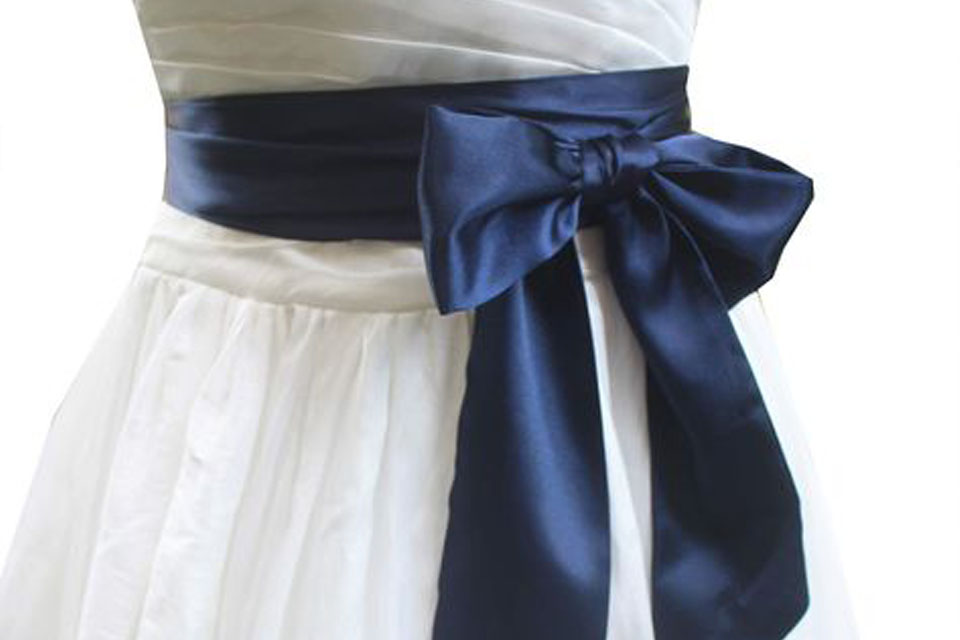
Step-by-step method and common failure points
At the process checkpoint where the ribbon length and tie method are verified against the approved sample, the output must be a signed-off tie instruction card before the production run begins. This ensures every operator follows the same sequence, reducing rework.
- Prepare the ribbon end – Cut the ribbon to the length confirmed in the RFQ (e.g., buyer-verified length per bow). Common failure: using a different roll length than specified, causing inconsistent bow sizes.
- Form the first loop – Hold the ribbon at the center point and create a loop of the required diameter. Failure point: loops that are too tight or too loose, leading to uneven tension.
- Cross and wrap – Cross the trailing end over the loop, then wrap it around the base. Failure: wrapping too many times, which increases material cost and stiffens the bow.
- Pull through and adjust – Thread the trailing end through the center loop and pull gently to tighten. Failure: pulling too hard, which distorts the ribbon weave or causes fraying.
Additional RFQ items include secure and trim – Tie a knot or use a factory-approved adhesive to secure the center. Trim tails at a 45° angle. Failure: uneven trimming that looks unprofessional.
Common failure points often trace back to incorrect ribbon specs. For example, if the buyer’s RFQ specifies a certain ribbon width but the roll length is miscalculated, the tie method may produce bows that are too small or too large. Always verify the ribbon width and roll length against the product specification sheet before production.
| Failure Point | Root Cause | Buyer Verification Question |
|---|---|---|
| Inconsistent loop size | Operator not using a jig or template | Do you have a loop template for the specified bow diameter? |
| Frayed ribbon ends | Cutting with dull blades or wrong tool | What cutting tool do you use for satin ribbon? |
| Bow asymmetry | Uneven tension during wrapping | How do you ensure equal tension on both loops? |
| Excess material waste | Using longer ribbon than needed | What is the exact ribbon length per bow in your process? |
During RFQ handoff, provide a sample of the tied bow along with the tie instruction card. This allows the factory to match the method exactly, reducing production risk. For satin ribbon, the MEEDEE Ribbon Editorial Team recommends using a heat-seal cutter to prevent fraying, but this must be confirmed in the buyer’s quality checklist.
See ribbon products for step-by-step method and common failure points.
How to turn the method into a repeatable work instruction
| Option | Best fit | Trade-off | Risk to avoid | Verification | Follow-up |
|---|---|---|---|---|---|
| Current specification | Best when current specification changes application fit, operating conditions, verification evidence, or buyer approval. | Evaluate Current specification for the Trade-off decision before approval. | If Current specification is not documented, quote, sample, or production approval can drift. | Check sample photos, QC notes, written limits, or factory proof for current specification. | Record the approved Current specification requirement in the RFQ and sample file. |
| Alternative specification | Best when alternative specification changes application fit, operating conditions, verification evidence, or buyer approval. | Evaluate Alternative specification for the Trade-off decision before approval. | If Alternative specification is not documented, quote, sample, or production approval can drift. | Check sample photos, QC notes, written limits, or factory proof for alternative specification. | Record the approved Alternative specification requirement in the RFQ and sample file. |
| Custom option | Best when custom option changes application fit, operating conditions, verification evidence, or buyer approval. | Evaluate Custom option for the Trade-off decision before approval. | If Custom option is not documented, quote, sample, or production approval can drift. | Check sample photos, QC notes, written limits, or factory proof for custom option. | Record the approved Custom option requirement in the RFQ and sample file. |
| Safer fallback | Best when safer fallback changes application fit, operating conditions, verification evidence, or buyer approval. | Evaluate Safer fallback for the Trade-off decision before approval. | If Safer fallback is not documented, quote, sample, or production approval can drift. | Check sample photos, QC notes, written limits, or factory proof for safer fallback. | Record the approved Safer fallback requirement in the RFQ and sample file. |
For current specification, a poor decision can mean risk includes quote mismatch, unexpected cost, sample rejection, quality dispute, packing error, reorder drift. Ask the supplier to check sample photos, qc notes, written limits, or factory proof for current specification, then ask for rfq confirmation, attach proof, and approve only after sample review.
For the current specification checkpoint in how to tie dress ribbon, keep the supplier response, marked sample, approved specification, quotation, and approval owner under the same revision number. If the evidence conflicts with the approved record, hold the quote, sample, or production release until the deviation is explained in writing. Carry the signed decision record into the purchase order, production handoff, shipment release, and later reorder review so every team works from the same baseline.
See MEEDEE Ribbon factory for how to turn the method into a repeatable work instruction.
Make in-house, outsource assembly, or order a finished component
When the ribbon tie method is not locked in the RFQ, the quote can double or the approval process stalls. A buyer who skips the tie specification—single-loop, double-loop, or knot—risks receiving a sample that does not match the intended garment finish. The commercial consequence is a rework cycle that delays production and increases cost.
Approval evidence and acceptable sample limits
Before bulk production, require a signed approval record that states the tie method, ribbon width, and length per tie. Acceptable sample limits must be defined in the RFQ—for example, a tolerance on ribbon length that is confirmed by both parties. Without this, the factory may ship a component that does not fit the garment.
Bulk consistency, packing, and reorder controls
During bulk production, verify that every ribbon tie matches the approved sample. Packing instructions should prevent tangling and damage. For reorders, the same RFQ requirements must be re-confirmed to avoid drift. A buyer verification question: “Does the factory keep a sealed reference sample for each tie method?”
Compare the three options:
The RFQ should also cover in-house: Requires equipment and trained staff; Outsource assembly: Misalignment if RFQ is vague; Order finished component: Higher unit cost, longer lead time.
Each path requires a confirmed RFQ that includes the tie method, ribbon width, length per tie, material type, and finish. The approval sample becomes the master reference for bulk consistency and reorder controls.
Sample approval, defect checks, and packing
At the process checkpoint where the ribbon tie method and length are verified against the approved sample, the output must be a signed-off sample card with the tie sequence, ribbon width, and bow dimensions recorded. Before proceeding to bulk production, confirm the following with your supplier:
- Request a sealed sample that matches the RFQ-revised tie specification, including the exact number of loops and tail length.
- Inspect the sample for common defects: frayed edges, uneven dyeing, or loose weave that could affect the tie appearance.
- Verify that the packing unit (e.g., per dozen or per box) matches the quantity agreed in the RFQ, and that each ribbon roll is individually wrapped to prevent tangling.
The RFQ should also cover tie method: Can you provide a video of the tie being executed on the actual ribbon?; Defect limit: What is your AQL for ribbon defects in this order?; Packing: Will the packing include a diagram of the tie method?.
After sample sign-off, request a pre-shipment inspection report that covers the same criteria. This ensures that the production run matches the approved sample and reduces the risk of rework. The final packing should include a packing list that references the RFQ number and the approved sample ID.
What to include in a commercial ribbon inquiry
When the ribbon tie method is not specified, the quote may double or the approval process stalls. Use this decision rule: include the tie method, ribbon length per tie, and material finish in every RFQ. For example, a satin ribbon with a single-loop bow requires different length and stiffness than a double-loop bow. The MEEDEE Ribbon Editorial Team recommends reviewing against approved product, customization, and quality criteria.
Decision criteria to confirm
Specify the tie style (e.g., single-loop, double-loop, or knot) and the exact ribbon length per tie. This avoids cost surprises and ensures the sample matches production intent.
RFQ details to send
Include material type (e.g., satin), width, and finish. For satin ribbon, the weave and edge type affect how the ribbon holds the tie. Provide a sketch or reference to the tie method.
Production handoff details
Confirm the tie method is documented in the work instruction. Verify the ribbon length per tie against the approved sample before bulk cutting. This reduces production risk and rework.
- Decision matrix: choose the how to tie dress ribbon route only after product fit, customization scope, quote assumptions, sample approval, and reorder control are comparable.
- Best-for check: match the how to tie dress ribbon route to the use case and approved specification before comparing price.
- Trade-off check: compare buyer control, development scope, cost drivers, lead-time assumptions, quality risk, and repeat-order consistency.
In conclusion
For how to tie dress ribbon, the next procurement action is a written RFQ and sample approval record, not only a preferred style or unit price. Confirm the specification, MOQ assumption, artwork version, supplier capability, sample approval method, QC checkpoint, approval risk, and quote follow-up before bulk production.
If any material, structure, logo, finish, packing detail, or supplier proof changes, ask the supplier to update the quote and sample record before approving production.
Frequently asked questions
What specification should a buyer confirm for how to tie dress ribbon?
Confirm the tie method (single-loop, double-loop, or knot), ribbon width, length per tie, material type, and finish in the RFQ. Specify tolerances for width and length to avoid cost surprises. Request a signed sample card that records these details before production, and verify the supplier’s work instruction matches the approved spec.
What should be checked on a how to tie dress ribbon sample?
Compare the sample against the approved specification: tie sequence, bow dimensions, ribbon width, and length. Verify material and edge finish. The supplier must provide a signed-off sample card with recorded measurements. Any deviation requires written explanation and re-approval before bulk production. Request a pre-shipment inspection covering the same criteria.
When should a business make, outsource, or order how to tie dress ribbon?
Order from a specialist ribbon supplier when you lack in-house capability or need small volumes. Outsource if the tie method is complex and requires dedicated equipment. Make in-house only for high-volume, simple ties with trained operators. Always confirm MOQ, lead time, and sample approval with the supplier to reduce production risk.
How to tie dress ribbon material options
Common materials include satin, grosgrain, velvet, organza, cotton, and wired ribbon. Each affects the tie method, stiffness, and bow appearance. Satin works for elegant bows, while wired ribbon holds shape. Confirm material type, width, and finish in the RFQ. Request a sample to verify color, texture, and tie performance before bulk order.
Key facts: 20+ years of OEM and ODM ribbon manufacturing | Xiamen, China | 9 ribbon families | 3–100 mm widths | OEKO-TEX Standard 100, GRS and ISO 9001 certifications plus a Sedex SMETA audit
Related Resources
- Custom Ribbon Manufacturing Services — Pantone color matching, width customization, printing methods
- OEM & ODM Development Workflow — From requirement review to production
- Factory Tour & Capabilities — Xiamen facility overview
- Quality & Certifications — Oeko-Tex, GRS, ISO 9001; Sedex SMETA audit
- Request Quote Today — Share material, width, color and quantity for a quotation
Editorial note
Prepared by the MEEDEE Ribbon Editorial Team and reviewed against current product, customization and sourcing information supplied by Meedee Ribbon Inc. Commercial terms such as MOQ, sampling and lead time should be confirmed for each specification.