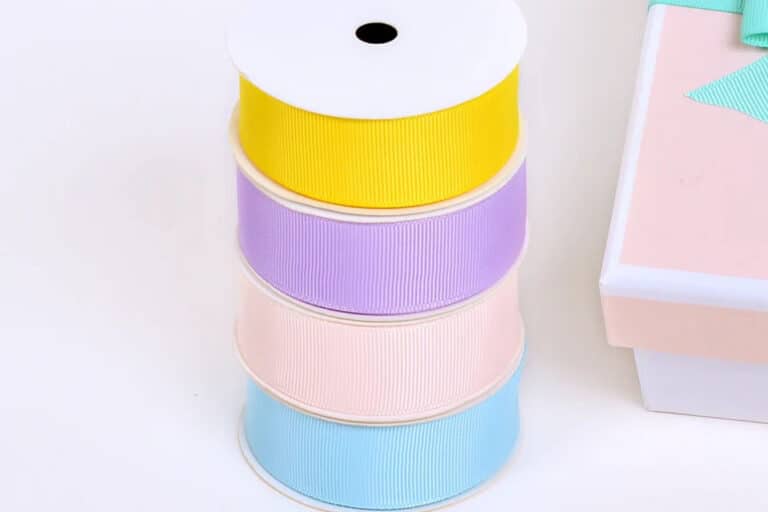
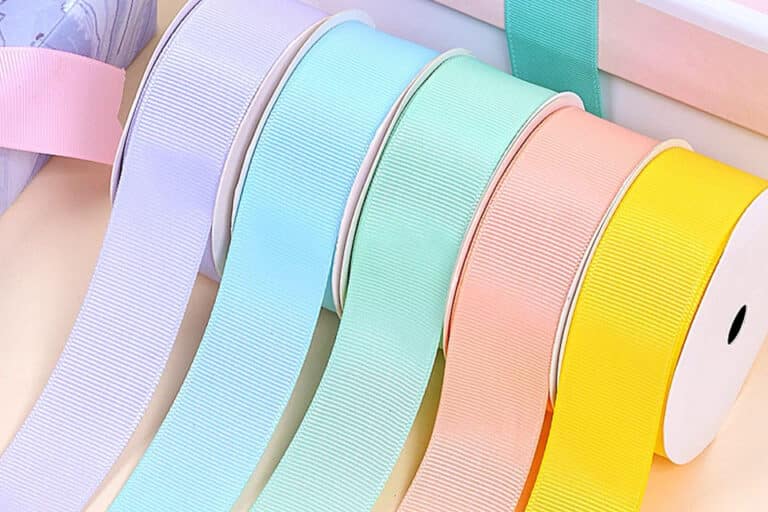
MEEDEE Ribbon is a B2B ribbon manufacturer in Xiamen, China, with 20+ years of OEM and ODM ribbon manufacturing experience.
Expert Review
This article was reviewed by the MEEDEE Ribbon editorial team.
View full profile
Certifications: Meedee Ribbon maintains Oeko-Tex Standard 100 (Class II skin-contact), GRS (Global Recycled Standard for RPET products), Sedex SMETA audit, and ISO 9001:2015 quality management certification. See full scope details.
Home
Organza Ribbon: Elegant & Festive Touch for Christmas Decor
Table of Contents
Summary
Ribbons, essential for gift wrapping, decorations, and various crafts, have evolved to meet these environmental demands. This article explores the world of sustainable ribbons, focusing on recycled satin ribbons, their benefits, and how they contribute to a greener future. Whether you’re a retail consumer, event planner, florist, or part of a fashion brand, understanding these sustainable options can enhance your products and appeal to environmentally conscious customers.
What Makes Ribbons Sustainable?
Assess ribbon materials and manufacturing evidence separately. A recycled-content claim needs traceable material documentation; a biodegradable or compostable claim needs evidence for the finished ribbon and stated disposal conditions. Neither the fibre name nor recycled content alone establishes a lower overall environmental impact.
Key Features of Sustainable Ribbons:
- Recycled Materials: Utilizes post-consumer waste like plastic bottles.
- Biodegradable claims: verify finished-product testing and stated disposal conditions.
- Eco-Friendly Dyes: Reduces chemical runoff and pollution.
- Energy-Efficient Manufacturing: Minimizes carbon footprint.
Choosing sustainable ribbons supports a circular economy, where products are reused and recycled, reducing waste and conserving resources.
Why Choose Recycled Satin Ribbon?
Recycled satin ribbon stands out as a premier choice for those seeking both elegance and sustainability. Satin, known for its smooth texture and glossy finish, enhances the aesthetic appeal of any project. When made from recycled polyester, satin ribbons offer the same luxurious feel without the environmental cost.
Advantages of Recycled Satin Ribbons:
- Eco-Friendly: Reduces waste by repurposing materials.
- High Quality: Maintains the premium look and feel of traditional satin.
- Versatile: Suitable for various applications, from gift wrapping to fashion accessories.
- Durable: Resists wear and tear, ensuring long-lasting use.
By opting for recycled satin ribbons, businesses and individuals can make a stylish statement while committing to environmental responsibility.
How Are Recycled Ribbons Manufactured?
The manufacturing process of recycled ribbons involves several steps to ensure quality and sustainability. It begins with collecting and processing post-consumer waste, primarily plastic bottles, which are then converted into recycled polyester fibers. These fibers are spun into yarns and woven or knitted into ribbons using eco-friendly techniques.
Manufacturing Steps:
- Collection and Sorting: Gathering post-consumer plastic bottles and sorting them by type and quality.
- Cleaning and Processing: Removing contaminants and breaking down the plastic into small pellets.
- Spinning: Converting pellets into polyester fibers through a spinning process.
- Weaving/Knitting: Creating ribbon fabrics from the recycled polyester yarns.
- Finishing: Applying sustainable dyes and coatings to enhance appearance and durability.
This process not only repurposes waste but also reduces the demand for virgin polyester, lowering the overall environmental footprint.
The Benefits of Using Recycled Polyester in Ribbons
Recycled polyester offers numerous benefits that make it an ideal material for sustainable ribbons. Derived from recycled plastic bottles, it helps mitigate the environmental impact of plastic waste while providing high-quality fabric for ribbons.
Benefits:
- Environmental Impact: Reduces plastic pollution and reliance on fossil fuels.
- Resource Efficiency: Conserves natural resources by reusing existing materials.
- Durability: Offers strong, resilient fibers that withstand frequent use.
- Versatility: Can be woven into various textures and finishes, including satin.
Using recycled polyester not only supports sustainability but also meets the high standards required for decorative and functional ribbons.
Biodegradable vs. Recyclable Ribbons: Which Is Better?
These are different claims, not a choice with an automatic environmental winner. Compare the finished ribbon, supporting evidence and realistic local disposal route.
Biodegradable Ribbons:
- Definition: Designed to break down naturally over time.
- Material composition: identify every fibre, dye, finish, coating and attachment before assessing a biodegradability claim.
- Best For: Single-use applications where recycling facilities are limited.
Recyclable Ribbons:
- Definition: Can be processed and reused to create new products.
- Materials: Typically made from recycled polyester or other recyclable plastics.
- Best For: Long-term use and environments with established recycling systems.
Choose based on the documented construction and local disposal route. Recycled content, recyclability, biodegradability and compostability are different claims; none makes a ribbon automatically preferable for a short- or long-lived application.
Eco-Friendly Ribbon Options for Gift Packaging
Gift-packaging choices may include recycled-content polyester or cotton styles. Verify the claimed composition and finished-product evidence before describing an option as biodegradable or environmentally preferable.
Popular Eco-Friendly Ribbon Choices:
- Recycled Satin Ribbon: Offers a luxurious look while repurposing materials.
- Cotton ribbon: soft-texture options for rustic themes; a biodegradability claim requires separate finished-product evidence.
- Recycled Polyester Satin Ribbon: Combines durability with sustainability.
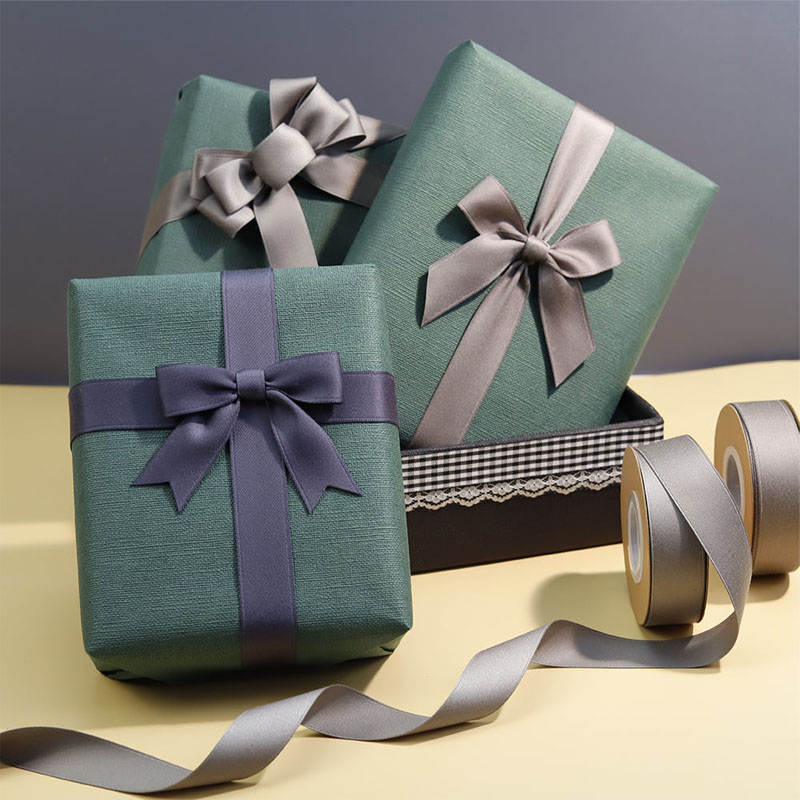
These ribbons not only enhance the visual appeal of gifts but also convey a message of environmental responsibility, resonating with eco-conscious consumers.
Custom Recycled Ribbons: Personalize Sustainably
Custom recycled ribbons allow businesses and individuals to add a personal touch to their projects while maintaining sustainability. Customization options include printing logos, choosing specific colors, and creating unique patterns.
Customization Benefits:
- Branding: Incorporate logos and brand colors to enhance visibility.
- Personalization: Create unique designs that reflect individual styles or themes.
- Marketing: Use customized ribbons as promotional tools to attract and retain customers.
By offering personalized, eco-friendly ribbons, companies can differentiate themselves in the market and appeal to a broader audience seeking sustainable options.
Sustainable Practices in Ribbon Manufacturing
Adopting sustainable practices in ribbon manufacturing is essential for reducing environmental impact. Key practices include:
Key Sustainable Practices:
- Use of Recycled Materials: Prioritizing recycled polyester and natural fibers.
- Energy Efficiency: Implementing energy-saving technologies in production.
- Water Conservation: Reducing water usage through efficient processing methods.
- Dyes and finishes: request the specified chemistry, applicable test evidence and processing information; do not infer non-toxicity or low environmental impact from a marketing label.
These practices ensure that ribbon manufacturing aligns with global sustainability goals, promoting a greener industry.
How to Incorporate Sustainable Ribbons into Your Business
Integrating sustainable ribbons into your business strategy can enhance your brand image and meet the growing demand for eco-friendly products. Here’s how to do it:
Steps to Incorporate Sustainable Ribbons:
- Assess Needs: Determine the types and quantities of ribbons required for your products or services.
- Choose Suppliers: Partner with reputable manufacturers that offer sustainable options, such as our Satin Ribbons.
- Educate Staff: Ensure your team understands the benefits and uses of sustainable ribbons.
- Market Your Sustainability: Highlight the eco-friendly aspects of your ribbons in your marketing materials.
- Gather Feedback: Collect customer feedback to continually improve your sustainable offerings.
By following these steps, businesses can seamlessly integrate sustainable ribbons, appealing to eco-conscious customers and promoting environmental stewardship.
Frequently Asked Questions
What materials are used to make recycled satin ribbons?
Recycled satin ribbons are typically made from recycled polyester, which is derived from post-consumer plastic bottles. This process repurposes waste and reduces the need for virgin polyester, making it an eco-friendly choice.
Are recycled ribbons as durable as traditional ribbons?
Yes, recycled ribbons, especially those made from recycled polyester, are highly durable. They maintain the same strength and resilience as traditional ribbons, ensuring they can be used repeatedly without losing their quality.
Can recycled satin ribbons be customized with logos or designs?
Absolutely. Many manufacturers offer customization services for recycled satin ribbons, allowing you to print logos, patterns, or specific designs. This is ideal for branding and creating personalized gifts.
How should I care for recycled satin ribbons to ensure longevity?
To maintain the quality of recycled satin ribbons, store them in a cool, dry place away from direct sunlight. Avoid excessive exposure to moisture and heat, and handle them gently to prevent fraying or damage.
Are there biodegradable ribbon options available?
A supplier may offer a construction with documented biodegradability, but natural fibre content or recycled polyester alone is not proof. Request testing for the finished ribbon, all components and the stated disposal conditions before making the claim.
Key Takeaways
- Sustainability claims: verify the specific recycled-content or disposal claim rather than assuming that a material name establishes an environmental benefit.
- Recycled Satin Ribbons: Offer a luxurious appearance while utilizing recycled materials, making them ideal for eco-friendly projects.
- Manufacturing Process: Involves repurposing post-consumer waste into high-quality polyester fibers.
- Recycled content, recyclability, biodegradability and compostability describe different properties. Verify the finished construction and disposal conditions for each claim.
- Customization Opportunities: Personalized recycled ribbons enhance branding and marketing efforts, appealing to eco-conscious consumers.
- Sustainable Practices: Implementing eco-friendly manufacturing techniques ensures minimal environmental impact.
- Business Integration: Incorporating sustainable ribbons can improve brand image and meet the rising demand for green products.
For more information on our ribbons, visit our Ribbon Factory. Explore our extensive selection of Satin Ribbons and discover how our Polyester Satin Ribbon Bows can elevate your next project.
Comments
Learn the latest trends and knowledge about the ribbon business from MEEDEE Ribbon, a ribbon manufacturer in Xiamen, China.
Key facts: 20+ years of OEM and ODM ribbon manufacturing | Xiamen, China | 9 ribbon families | 3–100 mm widths | OEKO-TEX Standard 100, GRS and ISO 9001 certifications plus a Sedex SMETA audit
Related Resources
Commercial Terms Note
MOQ, pricing, and lead times vary by specification. Each project requires individual feasibility review based on material, quantity, complexity, and timing. Confirm current terms via our RFQ form or email [email protected].

 EN
EN  FR
FR  DE
DE  KO
KO  ES
ES  SV
SV  AR
AR  DA
DA  CS
CS  IT
IT  JA
JA  TR
TR  PT
PT  NL
NL  PL
PL  FI
FI