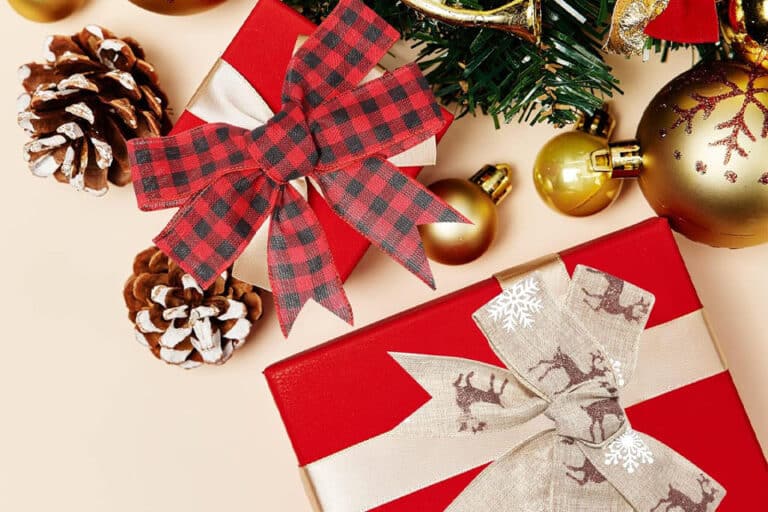
MEEDEE Ribbon is a B2B ribbon manufacturer in Xiamen, China, with 20+ years of OEM and ODM ribbon manufacturing experience.
Expert Review
This article was reviewed by the MEEDEE Ribbon editorial team.
View full profile
Certifications: Meedee Ribbon maintains Oeko-Tex Standard 100 (Class II skin-contact), GRS (Global Recycled Standard for RPET products), Sedex SMETA audit, and ISO 9001:2015 quality management certification. See full scope details.
Home
How To Make Bows From Ribbon
Table of Contents
Summary
This article delves into the origins, manufacturing processes, and modern uses of ribbon, exploring its transformation from an elite status symbol to a staple of contemporary crafting, fashion, and marketing.
Origins and Historical Significance of Ribbon
Etymology and Early Evolution
The word ribbon traces its roots to the Middle English terms “ribban” and “riban,” derived from Old French “ruban.” Its meaning, a thin strip of textile used for decoration or binding, has remained consistent despite linguistic evolution. Historically, ribbon featured selvages—woven edges designed to prevent fraying.
Ribbon in the Middle Ages
Ribbons emerged as symbols of luxury during the Middle Ages, sold by peddlers to Europe’s wealthiest patrons. Aristocratic fashion incorporated ribbons as trims for garments, while knights wore colored sashes denoting their orders. English Parliament even regulated ribbon usage, reserving it for noble garments to signify status.
The 17th and 18th Centuries – The Age of Ribbon Renaissance
In the 17th century, ribbon production flourished in Coventry, England, and Lyons, France. Its applications expanded into furniture adornments, hair accessories, and intricate garment embellishments. The Victorian era further amplified demand as women sought lavish ribbons for dresses, cloaks, and hats.
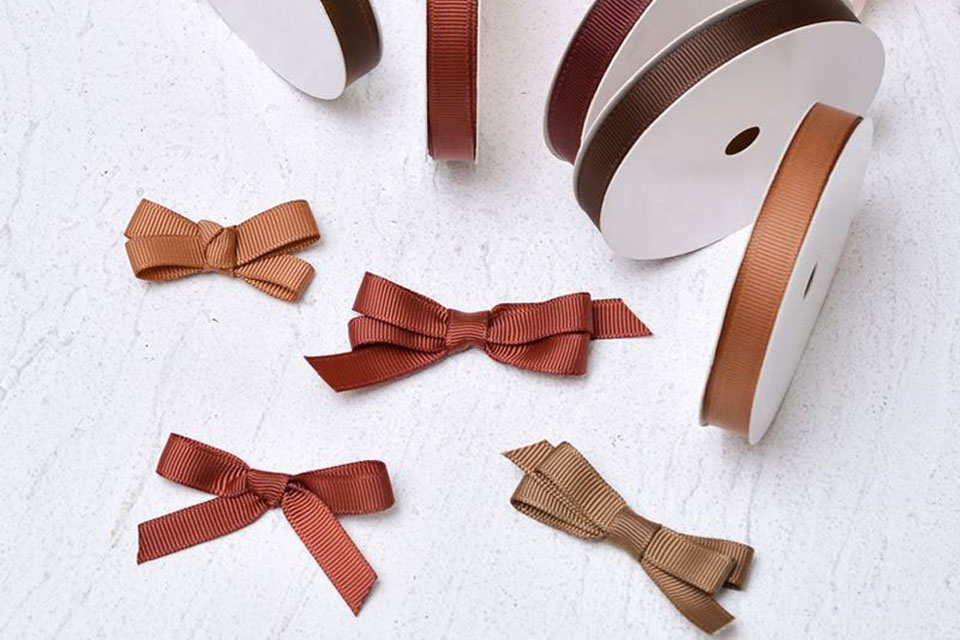
The Invention of Ribbon Looms
Ribbon looms, taller and narrower than traditional textile looms, revolutionized ribbon production. Early models could weave two or more webs simultaneously, while modern looms manage up to 40 fabrics at once.
| Timeline |
Key Developments |
Impact |
| 1620 |
Introduction in Leiden, Germany |
Initial riots by local weavers; loom temporarily banned. |
| 1745 |
Patents granted in London |
Enhanced functionality and broader adoption. |
| Modern Era |
Automated looms produce intricate designs |
Mass production at lower costs. |
The Expanding Applications of Ribbon
Ribbon in Fashion and Accessories
From the 1920s onward, ribbon became integral to haute couture. Designers like Charles James and Karl Lagerfeld incorporated ribbon into elaborate evening gowns and statement pieces, using it as a medium of creative expression.
Key Uses in Fashion
- Garment trims: Adds elegance to blouses, skirts, and evening wear.
- Hair accessories: Ribbons hold cultural and aesthetic significance in various societies.
Ribbon serves as a unique branding tool in modern marketing strategies.
Promotional Uses
- Packaging: Elevates product presentation while subtly embedding brand identity.
- Event décor: Custom-printed ribbons adorn giveaways, creating lasting impressions.
Ribbon in Marketing and Brand Promotion
Ribbon serves as a unique branding tool in modern marketing strategies.
Promotional Uses
- Packaging: Elevates product presentation while subtly embedding brand identity.
- Event décor: Custom-printed ribbons adorn giveaways, creating lasting impressions.
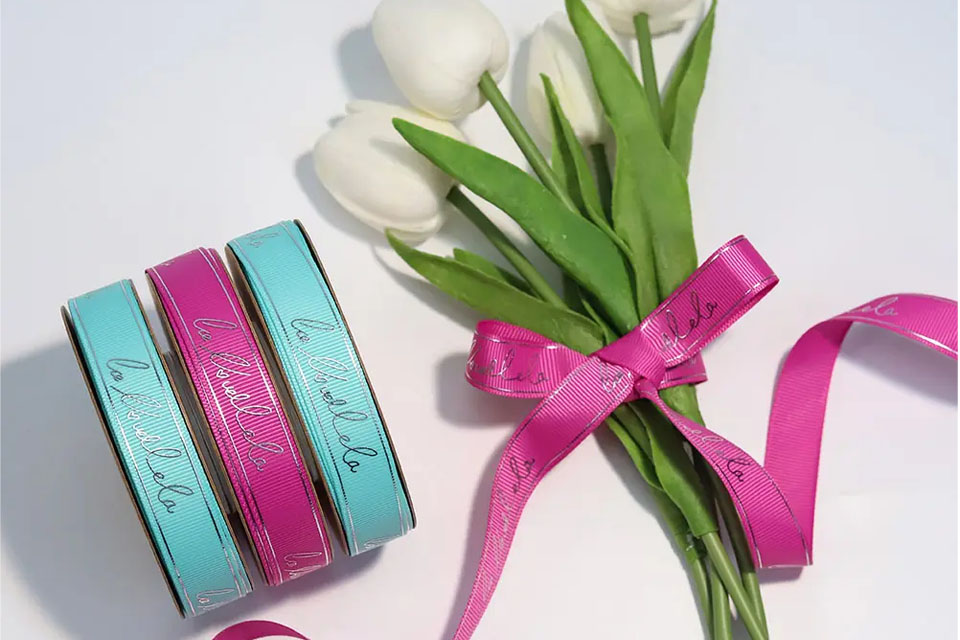
Ribbon Varieties and Their Distinct Properties
Different types of ribbon cater to specific uses, each with unique characteristics.
| Type |
Material |
Primary Applications |
| Grosgrain |
Polyester |
Durable crafts, bows, and trims. |
| Satin |
Polyester/Silk |
Gift wrapping, elegant décor. |
| Jacquard |
Patterned Fabric |
Reversible patterns for upscale projects. |
| Velvet |
Velvet Fabric |
Cold-weather accessories and luxurious designs. |
| Organdy |
Silk/Cotton/Rayon |
Lightweight embellishments for airy designs. |
Modern-Day Significance of Ribbon
Ribbon continues to evolve, serving purposes beyond fashion and crafts.
Ribbon in Commemorative and Awareness Initiatives
Ribbon holds symbolic importance in military honors and awareness campaigns.
- Medals: Incorporates ribbon for ceremonial presentation.
- Awareness ribbons: Color-coded symbols for causes like cancer awareness.
Sustainability in Ribbon Production
With growing environmental consciousness, manufacturers explore eco-friendly materials and processes for ribbon production, ensuring minimal ecological impact without compromising quality.
FAQs
Why did early weavers oppose ribbon looms?
The introduction of ribbon looms threatened traditional hand-weaving jobs, leading to resistance and temporary bans in some regions.
What is the most durable ribbon type for crafts?
Grosgrain ribbon is highly durable, making it ideal for projects requiring structural integrity.
Can ribbon be used for eco-friendly packaging?
Ask which ribbon constructions are available and what evidence supports the claimed composition and disposal characteristics.
How can ribbon be incorporated into fashion accessories?
Ribbon can be used to create hair bows, chokers, belts, and even intricate garment accents, enhancing their aesthetic appeal.
What makes satin ribbon ideal for gift wrapping?
Its smooth texture, vibrant sheen, and adhesive-friendly properties make satin ribbon perfect for wrapping and decorative accents.
The introduction of ribbon looms threatened traditional hand-weaving jobs, leading to resistance and temporary bans in some regions.
Grosgrain ribbon is highly durable, making it ideal for projects requiring structural integrity.
Ask which ribbon constructions are available and what evidence supports the claimed composition and disposal characteristics.
Ribbon can be used to create hair bows, chokers, belts, and even intricate garment accents, enhancing their aesthetic appeal.
Its smooth texture, vibrant sheen, and adhesive-friendly properties make satin ribbon perfect for wrapping and decorative accents.
Conclusion
Ribbon, with its rich history and versatile applications, continues to inspire creativity across industries. From its noble origins to its modern roles in fashion, marketing, and décor, ribbon remains a testament to innovation and craftsmanship. Whether enhancing garments or elevating gift presentation, its timeless appeal ensures its enduring significance. Explore premium ribbon collections at Meedee Ribbon to bring elegance and functionality to your projects.
Comments
Learn the latest trends and knowledge about the ribbon business from MEEDEE Ribbon, a ribbon manufacturer in Xiamen, China.
Key facts: 20+ years of OEM and ODM ribbon manufacturing | Xiamen, China | 9 ribbon families | 3–100 mm widths | OEKO-TEX Standard 100, GRS and ISO 9001 certifications plus a Sedex SMETA audit
Related Resources

 EN
EN  FR
FR  DE
DE  KO
KO  ES
ES  SV
SV  AR
AR  DA
DA  CS
CS  IT
IT  JA
JA  TR
TR  PT
PT  NL
NL  PL
PL  FI
FI