 EN
EN  FR
FR  DE
DE  KO
KO  ES
ES  SV
SV  AR
AR  DA
DA  CS
CS  IT
IT  JA
JA  TR
TR  PT
PT  NL
NL  PL
PL  FI
FI An awareness ribbon color is not a universal dictionary entry. The same color can be used by more than one cause, and an organization may define its own shade, wording, logo, or campaign rules. Use a color chart only to build a shortlist; verify the current campaign owner before ordering or publishing a meaning.
This guide was prepared by the MEEDEE Ribbon Editorial Team from current first-party campaign sources; it does not replace a campaign owner’s current brand rules.
Use the verification workflow below to select the meaning, physical ribbon, artwork, and approval evidence without turning an ambiguous color into an unsupported claim.
Key takeaways
- Confirm the cause, country, organizer, and campaign year before choosing a color.
- Request an official page, color code, or approved physical sample.
- Add text or a logo when color alone could be ambiguous.
- Freeze material, width, finish, artwork, quantity, and approval evidence in one order record.
Certifications: Meedee Ribbon maintains Oeko-Tex Standard 100 (Class II skin-contact), GRS (Global Recycled Standard for RPET products), Sedex SMETA audit, and ISO 9001:2015 quality management certification. See full scope details.
Direct answer: The same ribbon color can stand for more than one cause, so confirm the campaign owner’s current color reference, wording, and artwork before ordering.
Copy this approval record into the RFQ file. Keep every checked item on the same revision before releasing the order.
- ☐ Final specification and intended use
- ☐ Supplier feasibility and documented exceptions
- ☐ Sample or inspection evidence
- ☐ Commercial assumptions, owner, decision, and date
- 1 · DefineUse case and written specification
- 2 · ProveSupplier feasibility and sample evidence
- 3 · CompareCommercial assumptions and exceptions
- 4 · ReleaseDecision, owner, date, and revision
Move the order forward only when each gate leaves written evidence for the next. Return an unresolved specification, sample, or quote exception to its owner before bulk production.
How ribbon color meanings work—and why context matters
Ribbon meanings are conventions created by campaigns and communities, not fixed properties of the color itself. A meaning can change by location or organizer, and two organizations can use similar shades for different purposes. That is why a generic “all colors” chart is useful for discovery but insufficient for a medical, nonprofit, school, workplace, or public-event decision.
Cause, region, and organizer can change the meaning
Start with the entity that owns or coordinates the campaign. Check its current website, campaign toolkit, brand guide, or event brief. If the request comes through a distributor or event agency, ask it to identify the end campaign and provide the source used for approval.
Verify the current campaign before ordering
Save the source URL, access date, named approver, and color reference with the artwork. This creates a traceable record if the campaign wording, shade, or organizer changes later.
| Situation | What to verify | approval risk | buyer follow-up |
|---|---|---|---|
| Recognized campaign | Current organizer page, year, wording, and color reference | Outdated or unauthorized meaning enters production | Save the source and named approval |
| Local or internal event | Event owner, audience, location, and approved explanation | Attendees may read a different cause into the color | Add clear text or signage and approve a sample |
| Custom factory order | Material, shade, artwork, fastening, packing, and quantity | A wrong assumption adds resampling and remake cost | Ask the factory for a finished assembly sample |
Common awareness ribbon colors with authoritative examples
The examples below show how named organizations use color. They do not prove that each color has only one meaning.
| Specification | Quality control | Verification method | Risk to avoid | Buyer action |
|---|---|---|---|---|
| Pink ribbon | Breast cancer awareness example | Check the Susan G. Komen Pink Ribbon Story and organizer guidance | A generic color or protected campaign mark may be confused | Approve the current color and artwork reference |
| Red ribbon | HIV/AIDS awareness and solidarity example | Check the UNAIDS Red Ribbon explanation | Campaign wording may become an unintended medical claim | Confirm campaign-approved language before sampling |
| Purple ribbon | Alzheimer’s Association signature-color example | Check the current Alzheimer’s Association brand guidance | Outdated color or logo use may violate brand rules | Request organizer approval for co-branding |
| Teal ribbon | Ovarian cancer awareness example | Check the National Ovarian Cancer Coalition source | A nearby blue-green shade may imply a different association | Approve a physical color sample |
| Finished ribbon format | Control material, width, edge, fastening, text, and packing | Inspect the complete factory assembly sample | The ribbon may not fold, read, or wear as intended | Release the approved production specification |
Important: this table is illustrative, not exhaustive. If a cause is not listed, go to the responsible organization rather than extrapolating from a similar color.
These examples are starting points, not a universal dictionary. Before approving a campaign item, compare the organizer’s current wording and color reference with the actual ribbon material, print, fastening, and viewing conditions. If a color carries several associations, add the approved cause name or symbol so the finished piece is clear without relying on shade alone.
When the campaign needs a custom shade or repeated message, review custom ribbon solutions with the source record and finished-format brief. Keep the organizer’s approval with the physical sample so later production is checked against the same meaning, material, and artwork.
RFQ checkpoint
Send the intended use, ribbon material and width, color reference, artwork, quantity, packing, and delivery requirements for a feasibility review.
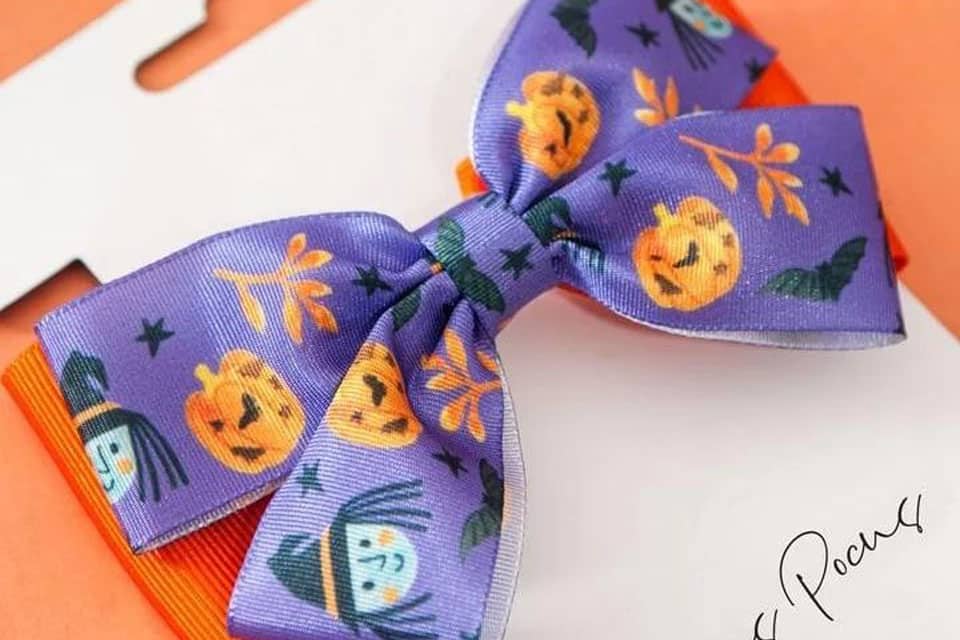
A four-step color verification workflow
- Name the campaign. Record the cause, organizer, country, event, and year.
- Collect first-party evidence. Ask for the official campaign page, toolkit, brand guide, or an approved sample.
- Translate meaning into a production reference. Record a color system value where supplied, but also approve the shade on the actual ribbon material because surface and sheen affect appearance.
- Freeze the approval. Save the artwork version, color reference, ribbon construction, approver, and date.
Ask the campaign owner for the official reference
A screenshot without its source can become stale. Prefer a live first-party page or a current PDF from the organization. If only a sample exists, label and photograph it under agreed lighting and keep it with the project record.
Record color code, material, width, and finish
A digital value alone does not define the finished ribbon. Satin sheen, grosgrain ribs, organza transparency, and velvet pile can make the same nominal color look different. Approve the combination, not just the code.
Ask the supplier or factory to return a material-specific sample rather than a screen rendering alone. The buyer should reject any version whose shade, wording, fastening, or logo permission cannot be traced to the current campaign reference. Review the available ribbon products only after the campaign owner has confirmed the meaning and approved reference.
Choose ribbon construction for the use case
The finished format determines the useful ribbon construction. Define how the item will be worn, tied, packed, read, or exposed before comparing materials.
Pins, lapel loops, sashes, packaging, and event décor
Start with the finished format and viewing distance. A lapel loop needs controlled dimensions and fastening; a sash needs drape and readable orientation; packaging needs a repeat and bow method that fit the box; event décor needs attachment and exposure conditions defined before material approval.
| Application | Useful construction | Check before approval |
|---|---|---|
| Lapel loop or pin | Ribbon that folds cleanly and holds the required shape | Finished size, overlap, fastening, edge treatment, skin-contact expectations |
| Event sash or ceremony ribbon | Wider satin or another material selected for drape and print | Reading distance, print orientation, seam or closure, wearer sizing |
| Gift or campaign packaging | Satin, grosgrain, organza, cotton, or recycled-content option according to the presentation | Box scale, bow method, rub risk, pack-out, disposal claim |
| Outdoor display | Construction selected after exposure and duration are defined | Wind, moisture, sunlight, attachment, and event safety |
Satin, grosgrain, organza, and custom print trade-offs
Satin ribbon emphasizes smooth sheen; grosgrain looks more structured; organza is sheer; cotton feels matte; velvet is tactile. A printed message also depends on surface texture, base color, artwork detail, and viewing distance. Select the material and decoration together rather than from color alone.
For factory production, the supplier should make an assembly sample using the intended material, fastening, printed message, and packing. Inspect the finished piece at its actual viewing distance and handling condition before bulk approval; a loose ribbon swatch does not prove that the final loop, sash, bow, or display will work.
If the intended fold, fastening, print, or exposure cannot be confirmed from a loose swatch, send the finished-format reference through OEM and ODM ribbon development. The buyer follow-up is to approve an assembled sample under the actual viewing and handling conditions before releasing the order.
Prepare a quote-ready awareness ribbon specification
Put the campaign reference, physical ribbon, artwork, assembly, and commercial inputs in one specification. This gives the campaign owner, buyer, and factory one version to approve.
Required artwork and color fields
Send the campaign owner and source URL, approved cause name, editable artwork, logo permission, wording, base-color reference, print color, orientation, repeat, material, width, and finished format. Mark which elements are fixed by the organizer and which may change during feasibility review.
- Campaign reference: organizer, cause, source URL, year, and approved wording.
- Ribbon and artwork: material, width, color reference, finish, edge, editable file, logo permission, print color, orientation, and repeat.
- Assembly: loop, pin, bow, sash, roll, attachment, cut length, and unit packing.
- Commercial inputs: estimated quantity, carton packing, destination, required date, and the current MOQ or lead-time confirmation.
Sample approval and change control
Give the approved sample an identifier and record its color reference, artwork version, ribbon construction, dimensions, fastening, packing, date, approver, and accepted deviations. A change to the campaign brief, color, artwork, material, print route, assembly, or packing should trigger a documented review before bulk production.
MEEDEE Ribbon supports custom ribbon development, but MOQ, sample timing, and production timing depend on the confirmed material, width, artwork, method, quantity, packing, and delivery requirements. Do not treat one project’s terms as a universal rule.
Before quotation, ask the MEEDEE Ribbon factory to review whether the artwork, ribbon construction, assembly, inspection points, and packing can be sampled as written. Any proposed change should return to the named buyer and campaign approver before production.
Responsible wording and accessibility
An awareness ribbon can show support, solidarity, remembrance, or participation. It should not imply diagnosis, treatment, endorsement, fundraising authorization, or partnership unless those statements are true and approved.
Avoid medical promises and ambiguous claims
- Use the organization’s approved cause name and capitalization.
- Do not add “official,” “cure,” “prevents,” or similar wording without permission and evidence.
- Confirm trademark and logo usage with the rights holder.
- If proceeds are donated, state the recipient and terms accurately.
Check contrast and accompanying text
Color alone excludes people who cannot distinguish the shade and can be ambiguous even for people with typical color vision. Add clear text, an approved symbol, or adjacent signage. For digital campaign materials, provide meaningful alternative text rather than naming only the color.
RFQ input check for responsible wording accessibility
Review the printed or displayed ribbon at its actual size and viewing distance. Confirm that text remains legible against the ribbon, that adjacent colors are distinguishable, and that the cause name is available in words wherever color alone could be misunderstood.
For production quality control, inspect the finished ribbon or assembly—not only the artwork file. The buyer should give the factory a pass/fail reference for legibility, contrast, cause wording, logo permission, and fastening, then hold any batch that does not match the approved sample.
In conclusion
Choose an awareness ribbon by verification, not by color-chart confidence. Identify the campaign owner, save a first-party reference, approve the shade on the actual ribbon construction, and freeze the wording and artwork with the order. If you are preparing a custom program, compare the appropriate special occasion ribbons, then send the source record, intended use, material, width, quantity, packing, and date to request a feasibility review. Ask the supplier to identify any cost or production change created by the verified shade, print, assembly, or packing. The buyer’s final quality check should confirm the approved campaign reference and finished sample; this reduces the risk of paying to remake an ambiguous or unauthorized item.
Sources reviewed:
- Susan G. Komen — The Pink Ribbon Story
- UNAIDS — Wear Your Red Ribbon
- Alzheimer's Association — Our Brand
- National Ovarian Cancer Coalition — Awareness Month
Frequently asked questions
What should buyers confirm for an awareness ribbon campaign?
The buyer should ask the campaign owner for an official color reference, source URL, code, or approved sample. Also confirm the ribbon material, width, finish, printed wording, artwork version, logo permission, orientation, quantity, and approval date. Put those details in one order specification so the supplier, campaign owner, and buyer are reviewing the same requirement before sampling.
Should a custom awareness ribbon include text or a logo?
Text or a logo can reduce ambiguity when one color has several associations. Confirm permission to use organization names or marks, keep the message legible at the selected ribbon width, and approve a physical sample before bulk production. If the organizer does not permit a logo, campaign-approved wording or an accompanying label may provide context without implying an unauthorized endorsement.
Which official color reference should buyers approve before sampling?
Start with the current guidance from the responsible organizer because meanings overlap across causes, regions, and organizations. Compare the official color reference with a physical ribbon sample under the expected viewing conditions, then record the approved sample or color code, material, finish, and approver. A generic online chart is useful for discovery, but it is not final approval evidence for a specific campaign.
Commercial Terms Note
MOQ, pricing, and lead times vary by specification. Each project requires individual feasibility review based on material, quantity, complexity, and timing. Confirm current terms via our RFQ form or email [email protected].
Next step: Send the intended use, ribbon material and width, color reference, artwork, quantity, packing, and delivery requirements for a feasibility review. Send Specs for Review.
Key facts: 20+ years of OEM and ODM ribbon manufacturing | Xiamen, China | 9 ribbon families | 3–100 mm widths | OEKO-TEX Standard 100, GRS and ISO 9001 certifications plus a Sedex SMETA audit
Related Resources
- Custom Ribbon Manufacturing Services — Pantone color matching, width customization, printing methods
- OEM & ODM Development Workflow — From requirement review to production
- Factory Tour & Capabilities — Xiamen facility overview
- Quality & Certifications — Oeko-Tex, GRS, ISO 9001; Sedex SMETA audit
- Request Quote Today — Share material, width, color and quantity for a quotation
Editorial note
Prepared by the MEEDEE Ribbon Editorial Team and reviewed against current product, customization and sourcing information supplied by Meedee Ribbon Inc. Commercial terms such as MOQ, sampling and lead time should be confirmed for each specification.