 EN
EN  FR
FR  DE
DE  KO
KO  ES
ES  SV
SV  AR
AR  DA
DA  CS
CS  IT
IT  JA
JA  TR
TR  PT
PT  NL
NL  PL
PL  FI
FI This guide maps wired ribbon specifications and evidence to comparable sample requests and RFQ fields.
Direct answer: Select wired ribbons only after the specification, application fit, sample route, quantity rule, and supplier exceptions have been confirmed in writing.
Specify Wire Gauge, Edge Hold, and Per-SKU MOQ for Wired Ribbon
| Requirement | Factory control | Evidence to verify | Order risk | RFQ follow-up |
|---|---|---|---|---|
| Wire gauge or edge hold | Factory records wire gauge per roll and tests edge crimp strength on a pull jig. | Request a wire-hold test report from the production batch or measure edge stiffness on a pre-production sample. | Inconsistent wire gauge causes bow shape failure or wire migration through the ribbon edge. | Ask the supplier to state the wire gauge range and edge-hold test method in the quotation. |
| Sample approval | Factory holds a signed off sample as the master reference for color, width, wire placement, and roll length. | Compare production sample against the approved master under buyer-approved daylight viewing conditions and measure width with a calibrated ruler. | Approving a sample without documented tolerances leads to shipment rejection on color or dimension drift. | Document the sample approval in writing and request a sealed master sample before production release. |
| MOQ and order quantity | Factory confirms MOQ per SKU by material, width, color, printing method, artwork version, packing, and schedule. | Review the supplier's MOQ matrix and confirm that your order quantity matches the minimum for each variable. | Assuming a single MOQ across all SKUs causes short-shipment or price renegotiation after order placement. | Request a written MOQ breakdown per SKU in the RFQ and confirm that partial quantities are allowed. |
Approving a wired ribbon specification without verifying the supplier's quality control process for wire gauge consistency and edge hold can result in bows that fail to maintain shape during retail display or seasonal storage. The buyer must confirm that the factory documents wire diameter per production lot and performs a pull test on edge crimp strength. Without this evidence, the order risk includes wire migration through the ribbon edge, which compromises the product's structural integrity and leads to costly returns or markdowns.
After sample approval, the buyer should request a written MOQ confirmation that accounts for material, width, color, printing method, artwork version, packing, and schedule per SKU. Assuming a single MOQ across all line items may trigger short-shipment or price renegotiation. The buyer follow-up is to ask the supplier for a detailed MOQ matrix in the RFQ and confirm whether partial quantities are allowed. All commercial numbers must be confirmed in the written quotation before production release.
Compare the supplier record with the ISO 2859-1 sampling inspection standard before accepting the requirement.
Which Wired Ribbon Suits Volume Packaging, Boutique Craft, or Custom Bow Designs
| Option | Best fit | Trade-off | Risk to avoid | Verification | Follow-up |
|---|---|---|---|---|---|
| Standard satin wired ribbon, 1.5" width | High-volume retail packaging or gift-wrap production where consistent color and edge finish are critical | Limited to stock colors; custom dye lots increase lead time and require minimum yardage per SKU | Receiving a mismatched dye lot or inconsistent wire gauge that jams automated bow-tying equipment | Request a cutting from the current production roll; measure wire gauge with a micrometer against the spec sheet | Approve the cutting as a physical standard before authorizing bulk production |
| Grosgrain wired ribbon, 5/8" width, solid color | Small-batch craft packaging or boutique retail where a narrow, structured ribbon with visible ribbing is preferred | Narrow width limits automated bow production; per-yard cost is higher than wider stock rolls | Wire ends protruding from the edge can scratch packaging or cause handling injuries | Run a finger along both edges of the sample strip; wire must be fully encapsulated and not visible | Instruct the supplier to trim wire ends flush and include edge-inspection in the QC checklist |
| Custom ribbon manufacturing with proprietary color match and wire placement | Brands needing a unique wire position (center vs. edge) or a non-standard width for a patented bow design | Longer development cycle; tooling or setup charge; minimum run per SKU is confirmed by material and color | Supplier cannot hold the custom spec across reorders without a written approval record | Document the approved spec, wire placement diagram, and color code in a signed spec sheet before production | File the approved spec sheet as the reorder master; require the supplier to reference it on every PO |
For standard satin wired ribbon, 1.5" width, a poor decision can mean receiving a mismatched dye lot or inconsistent wire gauge that jams automated bow-tying equipment. Request a cutting from the current production roll; measure wire gauge with a micrometer against the spec sheet. Use the result to decide whether this checkpoint can proceed or must stay on hold.
Preserve the standard satin wired ribbon, 1.5" width decision under one revision number: keep the supplier response, marked sample, approved specification, quotation, and approval owner together. If the evidence conflicts with the approved record, hold the quote, sample, or production release until the deviation is explained in writing. Once the buyer and designated technical authority have accepted the evidence, carry the signed approval record into the purchase order, production handoff, shipment release, and later reorder review so every team works from the same baseline.
Pull-Test the Wired Ribbon Sample and Check Wire Placement
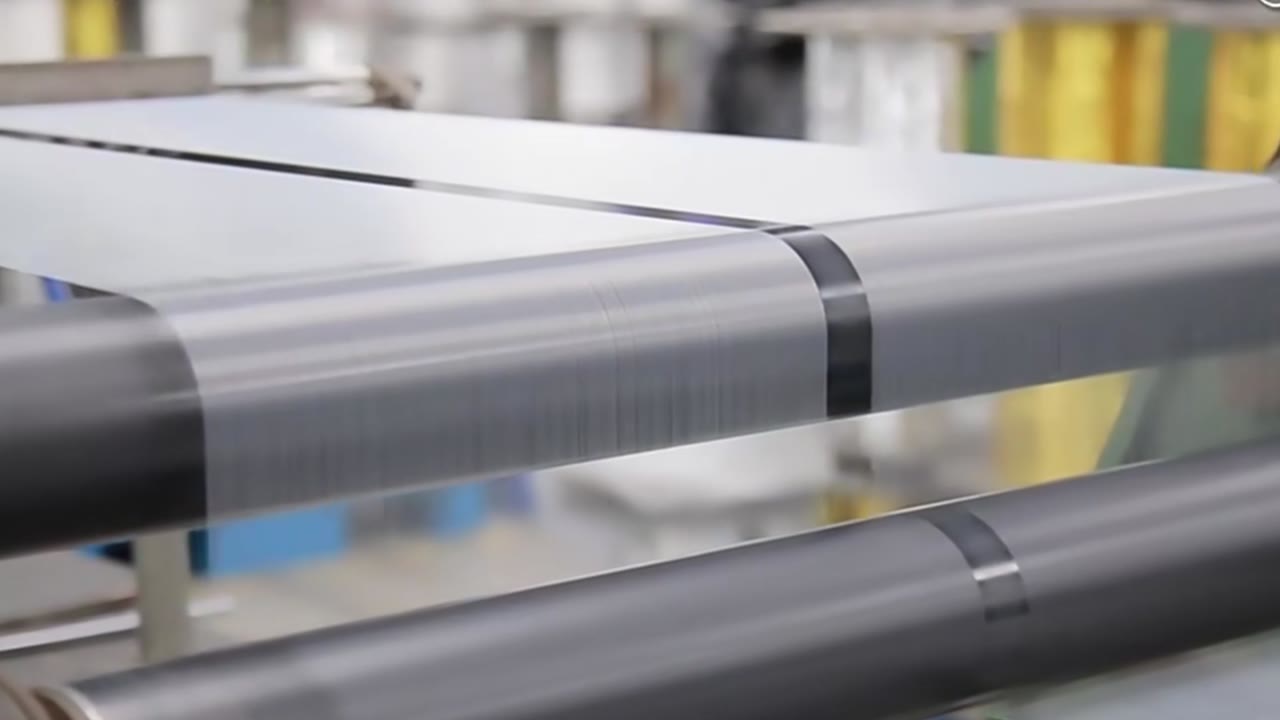
Before approving a wired wholesale ribbon families supplier, verify the physical proof or sample against your spec sheet. A production-ready sample should match your required width, wire gauge, edge finish, and color tolerance under standard lighting. Use this checklist to confirm factory execution and reduce risk:
- Specs: Measure ribbon width, wire placement (center vs. edge), and pull strength. Confirm wire does not protrude or shift during handling.
- Cost or minimum order: Request a sample cost breakdown. Ensure the sample fee is credited toward the first order if minimum order is met.
- Production risk: Inspect for frayed edges, uneven wire distribution, or color bleeding. Reject samples with visible defects.
- Factory execution: Ask for a signed spec sheet and a photo of the sample next to a ruler and color card. This confirms the factory can replicate the sample at scale.
- quote request/sample handoff: Attach your quote request number and sample reference to the approval email. Require the factory to confirm lead time and shipping method before production.
Document all findings in a sample review log. This creates an auditable trail for future orders and helps you compare suppliers objectively.
Retained Samples and Matching Wire Type Across Wired Ribbon Reorders
At this process checkpoint, the buyer must have a completed supplier shortlist and a clear spec sheet before proceeding to physical validation. The record needed before the next stage is a documented decision matrix covering supplier proof, sample approval, and reorder control.
Supplier Proof Check
Verify that each candidate supplier provides verifiable production records—not just marketing claims. Request a factory audit report or third-party inspection summary that confirms consistent wire gauge, edge finishing, and dye lot control. Cross-reference with the MEEDEE Ribbon editorial team’s B2B sourcing guidelines to ensure the supplier’s capability matches your custom ribbon requirements.
Sample Approval Check
Before approving a wired ribbon supplier, verify the physical proof or sample against your spec sheet. A production-ready sample must match your specified width, wire placement, and tensile strength. Document any deviations and require a corrected sample before moving to bulk order. This step directly reduces production risk and avoids costly rework.
Reorder Control Check
Establish a reorder protocol that locks in the approved spec, color code, and packaging format. Require the supplier to maintain a retained sample from the approved batch. For each reorder, confirm that the factory uses the same raw material lot and wire type. This check ensures consistent quality across multiple orders and simplifies quote request handoff for future runs.
For more on OEM/ODM workflows, visit OEM and ODM ribbon manufacturing.
Ask How Wired Ribbon Suppliers Test Fold Retention and Finish Wire Ends
- Does the supplier have a dedicated wired-ribbon production line with edge-wire insertion and fold-testing? Wired ribbons require consistent wire placement and edge finishing; a general ribbon line may skip these steps. Supplier confirms a separate wired-ribbon line with documented wire-tension and fold-recovery tests. Ribbons may have loose wires, uneven edges, or poor shape memory, causing returns or rework. Request a video walkthrough of the wired-ribbon line and a sample set for fold-recovery testing.
- Can the supplier provide a sample-review log from the last three wired-ribbon orders for a similar width and material? A log shows whether the factory tracks defects like wire exposure, fraying, or color shift before shipping. Supplier shares a dated log with pass/fail results, corrective actions, and sign-off by QC lead. Without a log, you cannot verify that the factory catches common wired-ribbon defects consistently. Compare the log entries with your own sample inspection criteria and flag any gaps.
- What is the supplier's process for approving a wired-ribbon sample before bulk production? Sample approval is the gate that locks wire gauge, edge finish, color, and width tolerance before the run. Supplier uses a written approval form with buyer sign-off on wire placement, edge seal, and color match. Skipping a formal approval step can lead to bulk ribbons that fail your end-use assembly or packaging. Ask for a copy of their sample-approval template and confirm it includes wire pull-strength check.
- Does the supplier test wire retention after folding and handling, and can they share the test method? Wired ribbons must hold shape through shipping, handling, and end-use; weak wire retention causes field failures. Supplier describes a standard fold-hold test (e.g., fold 180°, hold 10 seconds, measure recovery angle). Ribbons that lose shape after folding will be rejected by your customer or require costly rework. Request a video of the test being performed on a sample from your intended production batch.
- How does the supplier handle wire-end finishing to prevent poking or snagging during installation? Exposed wire ends can damage fabric, packaging, or injure handlers; proper finishing is a safety and quality issue. Supplier uses a heat-seal or adhesive cap on wire ends and inspects each roll for exposed wires. Unfinished wire ends cause snags, returns, or liability claims, especially in retail or gift-wrap applications. Inspect wire ends on the first sample roll and document the finish type in your approval record.
In conclusion
The final approval for a wired ribbon supplier comes down to verifying that every specification—material, width, wire gauge, color fastness, and packaging—is locked in writing before production begins. Check that the quoted cost aligns with your minimum order conditions and that the lead time matches your schedule. Compare the supplier’s quality control records and sample consistency to shortlist only those who can document their process. Once you validate the spec and approve a pre-production sample, you can confidently request a quote and move forward with the order.
To request a quote for wired ribbons, use wired ribbons to confirm the final specification, quote assumptions, sample approval, QC evidence, approval risk, and supplier follow-up before bulk order.
Frequently Asked Questions
How should a b2b buyer choose product type?
Shortlist wired ribbons by material, width, wire gauge, and color fastness to match your end-use—grosgrain for structured bows, satin for sheen, or printed polyester for seasonal decor. Confirm the cost and minimum order with the supplier for each specification combination, and request a sample to verify the wire edge does not fray or distort during bow-making.
Which supplier proof should buyers request for wired ribbons?
Request a pre-production sample that matches your exact width, color, and wire stiffness, then test it for shape retention and edge quality. Verify the supplier’s production records and lead time—standard production after sample approval is typically 2–4 weeks, but custom printed or dyed programs may require longer and must be confirmed in the quotation.
What should buyers lock before approving product selection checklist?
Lock the approved specification, color code, and packaging quantity per SKU in a sample review log before approving the product selection checklist. Document the minimum order conditions—confirmed by material, width, color, printing method, artwork version, packing, and schedule—and establish a reorder protocol that references the approved spec to avoid production drift.
Quote request handoff: Send Specs for Review.
Editorial note
Prepared by the MEEDEE Ribbon Editorial Team and reviewed against current product, customization and sourcing information supplied by Meedee Ribbon Inc. Commercial terms such as MOQ, sampling and lead time should be confirmed for each specification.