 EN
EN  FR
FR  DE
DE  KO
KO  ES
ES  SV
SV  AR
AR  DA
DA  CS
CS  IT
IT  JA
JA  TR
TR  PT
PT  NL
NL  PL
PL  FI
FI Velvet is selected by pile and backing together: one sets the look, the other sets whether it survives handling.
Direct answer: Order velvet ribbon only after its specification, application fit, sample route, quantity rule, and supplier exceptions have been confirmed in writing.
Pin Down Velvet Pile, Shade, Fiber, and Roll Format Before Pricing
| Requirement | Factory control | Evidence to verify | Order risk | RFQ follow-up |
|---|---|---|---|---|
| Sample approval for handfeel, pile direction, shade, and packing | Factory seals counter sample and controls bulk against approved reference | Sample-approve under target lighting, then inspect bulk rolls against seal | Unapproved feel or shade causes packaging mismatch and receiving disputes | Ask for sample, then approve sealed reference before production release |
| MOQ and order quantity by SKU, shade, width, and packing | Factory groups materials, dye lots, and slitting plans before quoting | Inspect quotation breakdown and measure sample yardage against planned assortment | Understated quantity assumptions trigger surcharges, split lots, or delayed replenishment | Request RFQ showing quantity rules per SKU and production schedule |
| Material substrate selection: polyester, rayon, nylon, or recycled polyester | Factory verifies yarn, backing, pile construction, and compatible finishing route | Test burn behavior if relevant, inspect labels, and sample-approve handfeel | Wrong substrate changes drape, sheen, durability, and compliance expectations | Shortlist suppliers by substrate capability before requesting color development |
| Width or size tolerance for slit rolls, cards, or spools | Factory calibrates slitting knives, winding tension, and edge inspection routine | Measure roll width across positions and inspect edge fray after unwinding | Loose tolerance causes machine feeding issues and inconsistent retail presentation | Approve measurable tolerance limits before releasing purchase order and artwork |
| Finish or color control for pile sheen, dye shade, and printing | Factory manages lab dips, dye lots, finishing temperature, and shade records | Sample-approve under agreed lighting and inspect bulk with shade standard | Color drift damages brand matching, kit consistency, and reorder confidence | Ask for sample and RFQ notes covering shade control method |
The comparison turns on appearance, construction, conversion format, and commercial flexibility. A buyer should treat the approved velvet ribbon as a controlled production item, not a decorative description. Once the requirement is accepted, the factory can price around real material choices, color discipline, cutting method, and packing route. Confirm all commercial numbers, including minimum order and scheduling assumptions, in the written RFQ before judging supplier fit.
Approval creates a purchasing baseline: anything left vague becomes a negotiation risk when bulk goods arrive. The next buyer action is to ask the supplier for a sample path, written quotation, and quality evidence that match the intended channel, whether luxury packaging, garment trim, seasonal display, or resale. If the evidence is incomplete, keep the supplier under follow-up instead of releasing production.
Choosing Polyester, Rayon, Decorated, or Stock Velvet Ribbon by End Use
Choose the velvet ribbon route by end use, handling conditions, finish, and the evidence the supplier can provide. Keep exact pile height, width tolerance, color tolerance, MOQ, and test method as RFQ inputs unless they are already fixed in the approved specification.
| Option | Best fit | Quote drivers | approval risk | Verification | buyer follow-up |
|---|---|---|---|---|---|
| Polyester velvet ribbon | Programs prioritizing repeatability, handling resilience, and broad color or width choices | Width, pile construction, dye route, edge treatment, packing, and order quantity | Pile recovery, shade, or edge appearance may differ from the buyer-approved reference | Request a representative sample and inspect pile direction, recovery, edges, and shade under the agreed conditions | Write the accepted construction and visual limits into the sample approval record |
| Rayon velvet ribbon | Luxury packaging or decorative use where drape and color depth carry more weight | Fiber composition, dye route, width, finish, packing, and quantity | Drape, shedding, moisture response, or shade may not suit the packing or application process | Trial the sample on the buyer’s cutting, tying, sewing, or packing process and document the result | Approve the material and process fit before confirming bulk requirements |
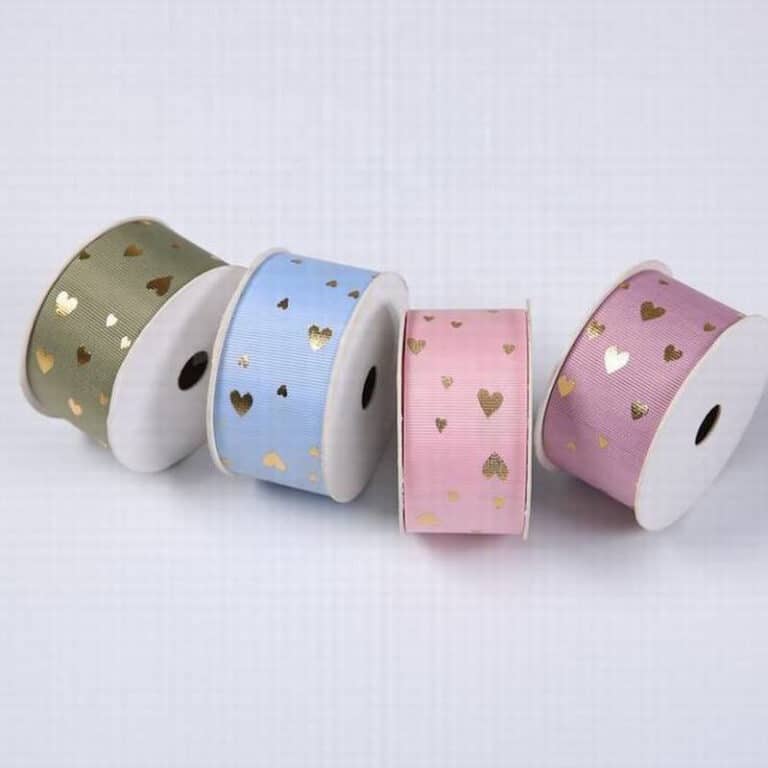
| Printed or foil-decorated velvet | Branded packaging, events, or seasonal programs needing a visible graphic finish | Artwork coverage, decoration method, registration, base ribbon, proofing, and quantity | Texture can affect artwork definition, adhesion, and repeat alignment | Request an artwork proof and decorated sample; agree the inspection method and acceptance limit in writing | Seal the approved sample and lock the artwork revision before bulk production |
| Stock velvet fallback | Urgent or lower-risk orders that can accept available colors, widths, and finishes | Current stock, usable length, lot continuity, packing, and replenishment route | A later reorder may not match the original lot or remain available | Ask for a current-lot sample, inventory confirmation, and written continuity limitation | Reserve the approved lot or move to custom ribbon manufacturing when continuity matters |
Do not compare the routes by a headline unit price alone. Ask each supplier to quote against the same width, construction, color reference, finish, packing method, sample requirement, and order quantity so the commercial differences are visible.
The decision remains conditional until the buyer has supplier evidence. Keep the sample, specification, artwork proof where applicable, quotation, and approval owner under one revision number; hold the shortlist when any record conflicts with the intended use.
Ask for a Sealed Velvet Sample and a Measurement Report
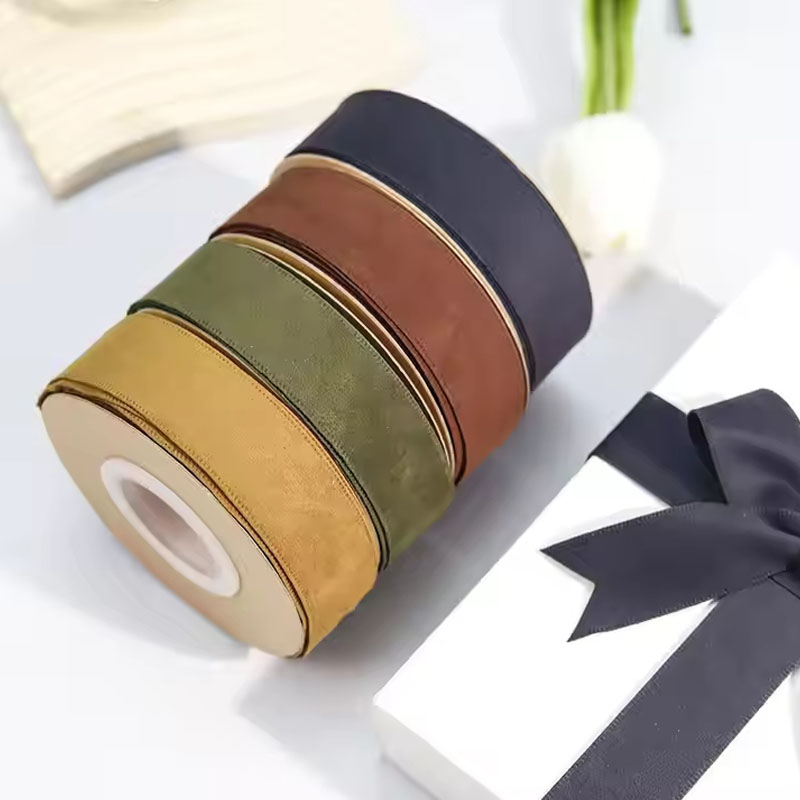
Before committing to a wholesale ribbon families velvet ribbon order, verify the supplier’s evidence of production capability. Request a sealed sample that matches your specified width, pile height, and fiber content (polyester or rayon). Ask: “Can you provide a measurement report confirming the ribbon’s thickness and colorfastness?” This proof eliminates guesswork on cost and MOQ alignment.
Use this checklist to confirm factory execution:
- Sample matches your quote request specs (width, pile, backing)
- Colorfastness test results (wash/light)
- Production risk assessment: supplier states its defect acceptance limit in writing
- Sample handoff includes written spec sheet
After sample approval, proceed to bulk order confirmation. The MEEDEE Ribbon editorial team publishes B2B ribbon sourcing guidance for custom orders.
Check Velvet Dyeing Capability, Seal the Sample, and Set a Reorder Trigger
At the supplier proof check stage, the buyer must have a verified factory profile that includes production capability for velvet ribbon dyeing and finishing. The MEEDEE Ribbon editorial team publishes B2B ribbon sourcing, customization, sampling, and quality control guides; use these to cross-check supplier claims against standard industry specs.
Supplier evidence to request
Request a factory audit report or third-party inspection that confirms equipment for velvet ribbon manufacturing. Avoid suppliers that cannot provide proof of in-house dyeing or slitting, as this increases production risk.
Sample approval evidence
Before moving to reorder, obtain a sealed sample that matches your color standard and width tolerance. Document the approval in writing to avoid disputes during bulk production.
Reorder control records
Establish a reorder trigger based on inventory levels and supplier lead time. Use a simple table to track key specs:
| Checkpoint | Spec | Cost Impact |
|---|---|---|
| Supplier proof | Factory audit report | Low |
| Sample approval | Sealed color/width sample | Medium |
| Reorder control | Inventory threshold | High |
For quote request and sample handoff, use the OEM and ODM ribbon manufacturing to streamline communication. This decision asset ensures factory execution aligns with your quality and cost targets.
Probe the Velvet Line, Audit Scope, Lead Time, and Reorder Planning
- Does the supplier have a dedicated velvet MEEDEE ribbon factory production line? Velvet ribbon requires specific looms and finishing equipment; a general ribbon line may not achieve the required pile density or edge finish. Supplier confirms a separate velvet production area with documented machine specifications and recent output samples. Accepting a general ribbon supplier risks inconsistent pile height, edge fraying, and color variation across bulk runs. Request a factory layout photo or equipment list showing velvet-specific looms and finishing stations.
- Can the supplier provide a recent third-party audit report for their velvet production? Review quality-management and social-audit evidence separately. An ISO 9001 certificate concerns the quality management system; it does not certify the velvet ribbon product. SMETA addresses worksite social-audit topics and does not verify product quality. Check each document’s site and scope, then assess the agreed ribbon specifications through samples and batch inspection. See Sedex’s SMETA scope and ISO’s certification guidance.
- What is the supplier's standard production lead time for custom velvet ribbon after sample approval? Velvet ribbon often requires longer dyeing and finishing cycles; knowing the lead time helps you schedule your inventory and avoid stockouts. Supplier states 2–4 weeks standard production after sample approval, with custom printed or specially dyed programs confirmed in the quotation. Assuming a shorter lead time can cause production delays and missed delivery deadlines for your end customer. Confirm the lead time in writing for your specific width, color, and printing method before placing the order.
- Does the supplier offer a sealed sample approval process before bulk production? A sealed sample locks in color, pile feel, and edge finish, preventing costly rework or rejection later. Supplier provides a signed sample approval form with a sealed reference sample that matches your color standard and width tolerance. Skipping sealed sample approval can lead to bulk production that does not match your approved prototype, causing order rejection. Request a sealed sample and sign off on it before authorizing bulk production; keep one copy for your records.
- How does the supplier handle reorder triggers and inventory planning for velvet ribbon? Velvet ribbon has longer production cycles; a clear reorder process prevents stock gaps and rush charges. Supplier offers a reorder trigger based on your inventory levels and their lead time, with a documented handoff process. Without a reorder plan, you may face stockouts or emergency orders that increase cost and delay delivery. Establish a reorder point with the supplier using your average consumption and their confirmed lead time; document it in your procurement system.
References: ISO 2859-1 sampling inspection standard.
In conclusion
The final approval for your velvet ribbon program comes down to verifying that the specification sheet, sealed sample, and confirmed lead time all align before you commit to a production run. Compare options by checking the pile height, fiber content, and width against your end-use requirements, then validate the supplier’s factory audit report and third-party inspection to confirm equipment and capacity. Document the MOQ conditions—material, width, color, printing method, artwork version, packing, and quantity per SKU—so there are no surprises at reorder. Once you have shortlisted a supplier and approved the sample, the quote request and sample handoff process is the last step to lock in quality and delivery.
To request a quote for velvet ribbons product, use velvet ribbons to confirm the final specification, quote assumptions, sample approval, QC evidence, approval risk, and supplier follow-up before bulk order.
Frequently Asked Questions
How should a b2b buyer choose product type?
Shortlist velvet ribbons by width, pile height, fiber content (polyester or rayon), and backing type. Compare these specs across shortlisted suppliers, then confirm the cost and minimum order quantity per SKU in the quote request, as both vary by material and color. Request a cutting sample to verify hand feel and color accuracy before committing to production.
Which supplier proof should buyers request for velvet ribbons?
Request current production evidence for velvet weaving, dyeing and finishing, alongside any factory audit report. Check the selected velvet article and OEKO-TEX product class; request GRS scope only for a proposed recycled-polyester construction. Approve the colour and construction through the actual sample.
What should buyers lock before approving product selection checklist?
Lock the approved specification sheet, the sealed sample, and the confirmed lead time (standard production is 2–4 weeks after sample approval) in the purchase agreement. Confirm the cost and minimum order per SKU in writing, and establish a reorder trigger based on your inventory levels and the supplier’s lead time. Approve the checklist only after you have verified all these conditions.
quote request handoff: Send Specs for Review.
Editorial note
Prepared by the MEEDEE Ribbon Editorial Team and reviewed against current product, customization and sourcing information supplied by Meedee Ribbon Inc. Commercial terms such as MOQ, sampling and lead time should be confirmed for each specification.