 EN
EN  FR
FR  DE
DE  KO
KO  ES
ES  SV
SV  AR
AR  DA
DA  CS
CS  IT
IT  JA
JA  TR
TR  PT
PT  NL
NL  PL
PL  FI
FI The sourcing record for custom ribbon: custom program planning is incomplete until it supports this Plan custom artwork, dielines, samples, finishes, and production handoff.
A custom ribbon program is a SKU-count problem before it is a design problem. Every additional color is another dye lot and another minimum.
Direct answer: For custom ribbon: custom program planning, buyers should plan custom artwork, dielines, samples, finishes, and production handoff.
Build the Ribbon SKU and Launch Matrix
Use Build the Ribbon SKU and Launch Matrix as one RFQ checkpoint. Each row should identify the requirement, approval evidence, and buyer action before production.
| Requirement | Factory control | Evidence to verify | Order risk | RFQ follow-up |
|---|---|---|---|---|
| Finish or surface effect | Confirm finish type (matte, gloss, metallic) and surface texture against approved sample. | Inspect under standard lighting; compare to approved swatch. | Finish mismatch affects brand appearance and customer perception. | Request finish sample and approve before bulk production. |
| Artwork or logo file | Verify artwork file format, resolution, and color codes match print specs. | Check file at 300 DPI, CMYK, and proof against color target. | Poor artwork leads to print errors and rework costs. | Submit final artwork and request a digital proof for approval. |
| Sample approval | Ensure pre-production sample matches all specifications and is approved in writing. | Compare sample to spec sheet; measure dimensions and color. | Unapproved samples can cause bulk order rejection. | Request sample, evaluate, and provide written approval before production. |
Keep the supplier response, marked sample, and approval owner under the same revision number. If any proof conflicts with the approved record, hold the quote, sample, or production release until the supplier explains the deviation in writing. Before closing the checkpoint, reconcile the latest drawing, sample, quotation, and approval comments, identify which record controls if they disagree, and document the resolution. Carry the signed Build the Ribbon SKU and Launch Matrix table into the purchase order and production handoff so the same checks support quote comparison, sample approval, shipment release, and later reorders.
Compare the Available Routes
| Option | Best fit | Trade-off | Risk to avoid | Verification | Follow-up |
|---|---|---|---|---|---|
| Current specification | Matches existing packaging or event theme with proven supplier history. | May carry higher cost or longer lead time if specs are complex. | Locking in without re-verifying could repeat past errors. | Re-confirm material, width, color, printing, and packing against the last PO. | Document the current spec as the baseline for all quotes. |
| Alternative specification | Lowers cost or lead time when volume or design flexibility allows. | May require new samples and approval before bulk production. | Switching materials or widths could alter appearance or durability. | Request a pre-production sample and compare to the current spec. | Shortlist alternatives that meet your must-have criteria. |
| Custom option | Adds unique branding or color matching for a distinct product line. | Custom printing or dyeing extends lead time and raises MOQ. | Artwork or color approval delays can push the schedule. | Confirm MOQ and lead time by RFQ for your exact custom specs. | Send artwork and color standards for a sample proof. |
| Safer fallback | Uses a stock or standard ribbon when time or budget is tight. | Less unique but faster and often lower cost. | May not match brand colors or design intent exactly. | Check stock availability and standard production lead time. | Keep a fallback option ready in case custom approval slips. |
Evaluate Compare the Available Routes as one decision scope. Use this decision matrix as an approval sequence, not as a supplier claim. For current specification, a poor decision can mean locking in without re-verifying could repeat past errors. Ask the supplier to re-confirm material, width, color, printing, and packing against the last po.
For custom wholesale ribbon families custom, preserve the current specification decision under one revision number: keep the supplier response, marked sample, approved specification, quotation, and approval owner together. If the evidence conflicts with the approved record, hold the quote, sample, or production release until the deviation is explained in writing. Once the buyer and designated technical authority have accepted the evidence, carry the signed Compare the Available Routes record into the purchase order, production handoff, shipment release, and later reorder review so every team works from the same baseline.
RFQ checkpoint
Approve Base Ribbon, Strike-Off, and Golden Sample
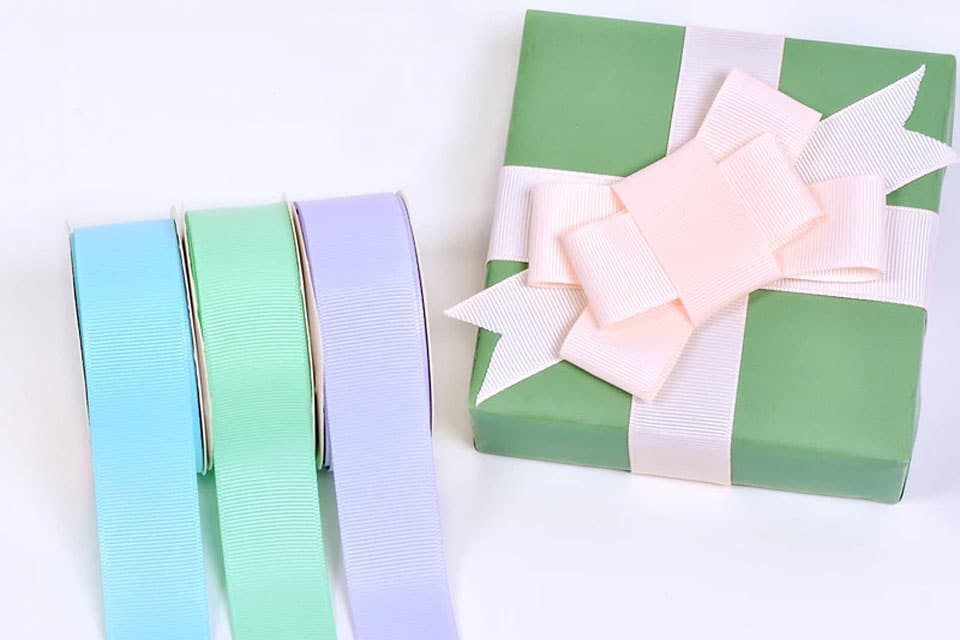
Before you approve a satin ribbons program, verify the physical evidence that makes your decision measurable. A Pantone chip, a sealed production sample, or a width-and-thickness gauge reading tells you more than a supplier’s promise. Start with the proof, not the pitch.
Use this checklist as your approval sequence:
- Spec confirmation: Match the ribbon’s width, thickness, weave, and finish against your original requirement. Record the measurement on the sample tag.
- Color accuracy: Compare the sample to your Pantone reference under daylight (buyer-approved viewing conditions) and indoor lighting. Note any metamerism.
- Cost and MOQ alignment: Confirm that the quoted price and minimum order quantity are tied to the approved sample, not a generic product.
- Production risk review: Ask for a short-run or pilot batch if the design involves complex jacquard, edge finishing, or multiple colors.
- Factory execution check: Verify that the sample’s cut, seal, and packaging match your packing spec. A clean edge and consistent roll tension indicate process control.
- RFQ and sample handoff: Attach the approved sample and measurement sheet to your quote request so the factory quotes against the same standard.
For satin ribbon programs, the same proof discipline applies—check luster, hand feel, and edge finish before scaling. A documented sample review reduces rework and keeps your custom program on track.
RibbonOEM decision lens: Use an approval ladder that separates base-ribbon approval from decoration approval. First confirm construction, width, hand feel, sheen, edge, and base color; then approve artwork scale, repeat, orientation, ink or foil color, registration, and final pack format. Record lab dip, artwork proof, strike-off, pre-production sample, and golden sample as separate milestones with owners and revision numbers. Define which change requires a new strike-off and which can be handled through a documented production note.
Build the Decision Asset
At the point where you have defined the buyer requirement and compared available routes, the next checkpoint is to build a decision asset that consolidates all custom ribbon specifications, costs, and approval evidence. This asset is the single document that guides your quote request and sample handoff, ensuring that every stakeholder—from procurement to production—works from the same data.
Supplier evidence to request
Before you commit to a supplier, verify physical evidence that makes your decision measurable. Request a pre-production sample that matches your Pantone reference, width, and material. Confirm that the supplier can provide a specification sheet with tolerances for color, weave, and edge finish. This proof check reduces the risk of production surprises and ensures the factory can execute your exact design.
Sample approval evidence
Establish a formal sample approval process. Define what constitutes approval: color match under standard lighting, dimensional accuracy, and durability tests. Document the approval in writing, including any revisions. This step prevents costly rework and sets a clear baseline for mass production.
Reorder control records
Plan for reorders by locking down the approved sample and its specifications. Store the sample and spec sheet in a shared location, and include a reorder checklist that triggers a review of any changes in cost, MOQ, or lead time. This control ensures consistency across batches and protects your brand quality.
Use the following table to structure your decision asset for each custom ribbon requirement:
| Requirement | Approval Evidence | Checkpoint |
|---|---|---|
| Color match | Pantone reference + sample | Pre-production sample |
| Material and width | Specification sheet | Supplier proof |
| Durability | Test results | Sample approval |
| Reorder consistency | Archived sample and specs | Reorder control |
This decision asset becomes your quote request handoff document, ensuring that every supplier quote is compared against the same criteria. For more on OEM and ODM processes, see our OEM and ODM ribbon manufacturing.
Price the Program by Width, Shade, Artwork, and Pack
- Can you provide a sample showing the exact material, width, and print method for this custom ribbon program? Verifies supplier capability to match your specification before committing to a bulk run. Supplier sends a pre-production sample with documented specs and a clear approval process. Approving a sample that does not match the final bulk order leads to rework and delays. Request a sample and compare it against your written specification before approval.
- What quality control checkpoints do you have during production for color consistency and print registration? Confirms the supplier has a defined QC process to catch defects before shipment. Supplier lists specific in-line and final inspections, including color and alignment checks. Without QC checkpoints, defects may go unnoticed until delivery, causing rejection. Ask for a QC checklist and include inspection rights in the purchase order.
- How do you handle reorders to ensure the same shade and width are reproduced? Ensures the supplier can replicate the approved sample for future orders. Supplier retains a master sample and provides a reorder specification sheet. Reorders may vary in color or dimensions if the supplier lacks a control system. Request a reorder specification sheet and confirm the supplier keeps a master sample.
- What is your standard production lead time after sample approval, and what factors could extend it? Helps you plan inventory and avoid stockouts or missed launch dates. Supplier states a clear lead time (e.g., 14-21 days) and lists variables that affect it. Unexpected delays in production can disrupt your downstream schedule. Confirm the lead time in writing and build buffer time into your plan.
- Can you provide a reference or case study of a similar custom ribbon program you have produced? Verifies the supplier has relevant experience and a track record of successful delivery. Supplier shares a relevant example with measurable outcomes or client feedback. Choosing an inexperienced supplier increases the risk of quality or delivery issues. Ask for references and follow up with them to validate the supplier's claims.
RibbonOEM decision lens: The program quote request should show forecast and first-order quantity by width, base color, artwork, and pack format. Include master color references, decoration files, repeat spacing, roll and core requirements, splice allowance, label data, sample calendar, launch dates, destinations, inspection plan, and reorder expectations. Require the manufacturer to identify shared materials, design-specific setup, color-specific minimums, tool ownership, stored reference samples, and the lead-time effect of adding a new SKU. This exposes where assortment complexity creates real cost and schedule risk.
Source check: ISO 2859-1 sampling inspection standard; Custom Ribbon | Creating Your Own Custom Ribbon Designs – Wrapp…; Polyester Ribbon OEM Manufacturing Process: A B2B Buyer's Guide….
In conclusion
The final approval of a custom ribbon program rests on the evidence you have gathered, not on the confidence of a single supplier conversation. Before you approve a sample or commit to a production run, verify that the specification—material, width, color code, printing method, artwork version, packing, and quantity per SKU—is documented in a single quote request handoff document. Compare the quoted MOQ and lead time against your schedule, and confirm that the supplier has provided physical proof, such as a sample swatch or strike-off, that matches your specification exactly. This disciplined check ensures that the program you approve today will perform as expected on the shelf and in the hands of your customers.
To request a quote for custom ribbon custom, use custom ribbon manufacturing to confirm the final specification, quote assumptions, sample approval, QC evidence, approval risk, and supplier follow-up before bulk order.
Frequently Asked Questions
How should a b2b buyer plan custom order?
Start by defining the buyer requirement as a single quote request checkpoint: specify material, width, color, printing method, artwork version, packing, quantity per SKU, and order schedule. Confirm the MOQ for each combination, as it varies by these factors, and verify the standard production lead time of 2-3 weeks after sample approval, with longer timelines for complex programs.
Compare suppliers on cost and lead time, but prioritize those who provide physical samples for QC verification—check luster, hand feel, and print alignment. Document all specifications in the quote request and follow up with a formal sample approval to lock the baseline before production.
Which supplier proof should buyers request for custom ribbon?
Request physical evidence that matches your specification: a sample swatch for luster, hand, and print quality, plus a written confirmation of material composition and width tolerance. Verify the supplier’s production capability by asking for a pre-production sample under the same conditions as your order, including color matching and edge finishing.
Check supplier risk by confirming their minimum order terms and lead time in writing, and ask for references or a factory audit if available. Always approve the sample against your documented spec before committing, and retain the approved sample as the reference for reorders.
What should buyers lock before approving custom program planning checklist?
Lock the approved sample and its full specification—material, width, color code, printing method, and packing details—as the baseline for production and reorders. Define what constitutes approval: color accuracy, print sharpness, and dimensional consistency, and document this in a sample approval form.
Confirm the minimum order and lead time for the specific program, noting that standard production is 2-3 weeks after approval, but complex customizations may extend this. Verify the supplier’s QC process and request a pre-shipment inspection or sample from the production run to ensure compliance before bulk delivery.
quote request handoff: Send Specs for Review.
Editorial note
Prepared by the MEEDEE Ribbon Editorial Team and reviewed against current product, customization and sourcing information supplied by Meedee Ribbon Inc. Commercial terms such as MOQ, sampling and lead time should be confirmed for each specification.