 EN
EN  FR
FR  DE
DE  KO
KO  ES
ES  SV
SV  AR
AR  DA
DA  CS
CS  IT
IT  JA
JA  TR
TR  PT
PT  NL
NL  PL
PL  FI
FI Ribbon bows: product selection needs a written specification before the buyer can decide whether Ribbon Bows: Product Selection Checklist fits the use case, specs, MOQ, sample approval path, and supplier quote process; otherwise suppliers may quote different product and approval assumptions.
This guide maps ribbon bows: product selection specifications and evidence to comparable sample requests and RFQ fields.
Direct answer: Use ribbon bows: product selection only after its specification, application fit, sample route, quantity rule, and supplier exceptions have been confirmed in writing.
Have the Supplier Sign Off Every Ribbon Bow Spec in the RFQ
| Requirement | Factory control | Evidence to verify | Order risk | RFQ follow-up |
|---|---|---|---|---|
| Sample approval | Factory holds pre-production sample against master spec | Measure loop size, tail length, wire gauge against approved reference | Off-spec bows cause packaging line jams or rejections | Request sealed sample with signed spec sheet before production |
| MOQ and order quantity | Line setup per material-width-color combination | Confirm MOQ by SKU in written quotation, not verbal estimate | Hidden per-color minimums inflate total commitment | Ask for MOQ breakdown by material, color, and packing unit |
| Material / substrate | Incoming ribbon lot tested for composition and weave | Request material declaration and third-party test certificate | Substituted substrate alters bow stiffness and shelf appearance | Approve substrate grade and weight in sample stage |
| Width or size tolerance | Die-cut or slitting tolerance held within the buyer-approved tolerance | Measure ten random bows with calibrated caliper | Width drift mismatches packaging slot or fixture | Document acceptable width range in RFQ spec sheet |
| Finish or color control | Dye lot matched against Pantone or physical swatch | Visual check under buyer-approved viewing conditions against approved color standard | Batch-to-batch variation disrupts brand consistency | Request dye lot continuity plan and submit color swatch |
The buyer's approval decision determines whether the ribbon bow program proceeds to production or requires rework. Each row in the table isolates a distinct specification dimension that must be confirmed before the factory commits material and labor. Without documented evidence for every parameter, the buyer accepts the risk of receiving bows that fail packaging, branding, or end-use requirements. The table functions as a pre-production checklist that aligns both parties on measurable criteria before any purchase order is issued.
After reviewing the specification table, the buyer should consolidate all verified parameters into a single RFQ document and request the supplier to confirm commercial terms in writing. The approval consequence is that any unchecked row becomes a potential source of order rejection or renegotiation. The next buyer action is to submit the completed checklist with the quote request, requiring the supplier to sign off on each verified dimension before sample production begins. This process prevents costly specification disputes at the final inspection stage.
Compare the supplier record with the ISO 2859-1 sampling inspection standard before accepting the requirement.
Trim Over-Engineered Bow Specs or Switch to a Proven Stock Bow
| Option | Best fit | Trade-off | Risk to avoid | Verification | Follow-up |
|---|---|---|---|---|---|
| Current specification | Matches approved sample and existing production tooling | May lock in higher material cost or slower lead time if spec is over-engineered | Unnecessary cost from tight tolerances or premium finish not required by end use | Compare each spec parameter against actual packaging or display need | Document every spec element and challenge any that exceeds functional requirement |
| Alternative specification | Reduces cost or lead time by using standard widths, materials, or finishes | May change bow appearance, stiffness, or durability compared to current spec | Substituting material without production trial can cause bow shape failure or color mismatch | Request a pre-production sample of the alternative spec and measure against current spec | Approve alternative only after sample passes loop size, tail length, and wire gauge check |
| Safer fallback | Uses a proven stock custom ribbon manufacturing bow with known production history and shorter lead time | Limited to available widths, colors, and finishes; may not match brand identity exactly | Stock bow may be discontinued or reallocated during peak season without notice | Request written confirmation of stock availability and reorder lead time for the fallback SKU | Keep fallback spec as an approved alternative in your system for emergency reorders |
For current specification, a poor decision can mean unnecessary cost from tight tolerances or premium finish not required by end use. Ask the supplier to compare each spec parameter against actual packaging or display need. Use the result to decide whether this checkpoint can proceed or must stay on hold.
Inspect Bow Loops, Tails, Stitching, and Residue on the Sample
Before approving a supplier, verify their actual production records. Request a sample measurement report and a photo of the ribbon bow against a ruler. This eliminates guesswork on size and consistency.
Use this checklist to confirm the proof is valid:
- Sample matches the spec sheet (width, loop count, tail length)
- Color is within buyer-approved color tolerance of your Pantone reference
- Stitch tension is uniform across all bows in the sample set
- No loose threads, frayed edges, or adhesive residue
If the sample fails any point, ask for a corrected proof before moving to production. This step reduces risk of mass defects and saves rework costs later.
For more on ribbon types, see our wholesale ribbon families.
Material Proof, Loop Measurements, and Burn-Rate Reorders for Ribbon Bows
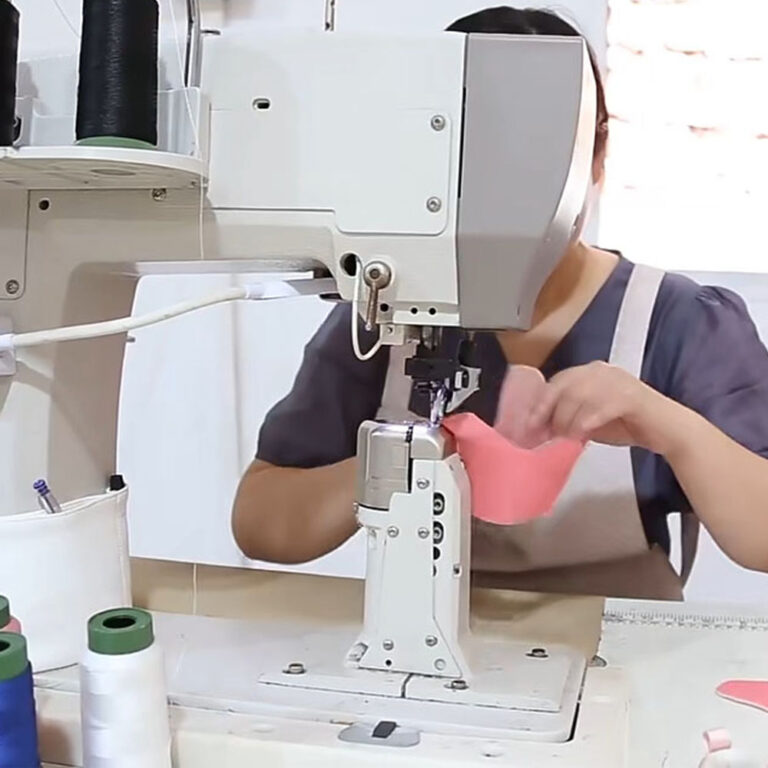
At the supplier proof check stage, the buyer must have a verified production record from the factory—not a brochure. Request a sample measurement report and a photo of the actual production line handling ribbon bows. This confirms the supplier can execute your custom specs without switching materials mid-order.
Supplier evidence to request
Ask for a signed statement of material composition and a photo of the bow-making machine with the factory name visible. Cross-check this against the quote request response. If the supplier cannot provide these, move to the next candidate.
Sample approval evidence
Before approving samples, measure bow loop size, tail length, and wire gauge against your spec sheet. Use a simple table to record pass/fail for each dimension. Approve only when all metrics match within the approved tolerance.
| Check | Pass | Fail |
|---|---|---|
| Loop diameter | Within the approved tolerance | Outside the buyer-confirmed limit |
| Tail length | Within the buyer-confirmed limit | Outside the buyer-confirmed limit |
| Wire gauge | Matches the approved sample | Outside the buyer-confirmed limit |
After approval, keep the sample as a physical reference for reorder control.
Reorder control records
Set a reorder trigger based on inventory burn rate, not calendar days. Require the factory to confirm material availability and production slot before you issue a PO. This prevents delays during peak seasons. For more on custom ribbon specs, see our OEM and ODM ribbon manufacturing.
Jig Checks, Wire Gauge Control, and Pre-Bulk Photos from Bow Suppliers
- What verification method do you use for bow loop size and tail length tolerance? Ensures every bow meets your spec before packing, not just the sample. Supplier uses a fixed jig or template check for each bow during production. Without a verification method, you approve a sample but receive bows with variable loop sizes. Ask for a photo of the jig or template and a signed QC check sheet from the last run.
- What is your approval risk if the bow wire gauge differs from the sample? Wire gauge affects bow shape retention and durability in transit and display. Supplier guarantees wire gauge matches the approved sample and documents it per batch. A different wire gauge can cause bows to collapse or fail customer handling tests. Add a wire gauge check to your incoming inspection plan and confirm it in the PO.
- What buyer follow-up do you require after sample approval for MEEDEE ribbon factory bows? Ensures the production run matches the approved sample and reorder specs are locked. Supplier provides a written production spec sheet and a pre-production sample photo before bulk cutting. Skipping follow-up means the first bulk run may deviate from the sample without a correction window. Require a pre-production photo or second sample before the factory starts bulk bow assembly.
In conclusion
The final approval of your ribbon bow program comes down to verifying that the specification, cost, MOQ, and lead time documented in the quotation match the physical sample and the supplier’s production capability. Before you shortlist a supplier, compare bow loop size, tail length, and wire gauge against your packaging requirements, and request a signed statement of material composition to confirm quality. Once the sample is approved, keep it as a physical reference for reorder control, and set a reorder trigger based on inventory burn rate rather than calendar days. This disciplined check ensures that every batch meets your standards and that the supplier can deliver consistently.
To request a quote for ribbon bows product, use ribbon bows to confirm the final specification, quote assumptions, sample approval, QC evidence, approval risk, and supplier follow-up before bulk order.
Frequently Asked Questions
How should a b2b buyer choose product type?
Shortlist ribbon bow types by comparing bow loop size, tail length, wire gauge, and material composition against your packaging or craft specification. Check whether the supplier offers pre-made or custom-assembled bows, and confirm cost and MOQ per SKU in the quote request, as these vary by material, width, and color.
Which supplier proof should buyers request for ribbon bows?
Request a signed statement of material composition and a photo of the bow-making process to verify production capability. Before approving samples, measure bow loop size, tail length, and wire gauge against your spec, and keep the approved sample as a physical reference for reorder control.
What should buyers lock before approving product selection checklist?
Lock the specification, cost, MOQ, and lead time in the quotation before approving the product selection checklist. Confirm that standard production runs 2–4 weeks after sample approval, and verify that custom printed or specially dyed bows may require longer lead times as stated in the quotation.
quote request handoff: Send Specs for Review.
Editorial note
Prepared by the MEEDEE Ribbon Editorial Team and reviewed against current product, customization and sourcing information supplied by Meedee Ribbon Inc. Commercial terms such as MOQ, sampling and lead time should be confirmed for each specification.