 EN
EN  FR
FR  DE
DE  KO
KO  ES
ES  SV
SV  AR
AR  DA
DA  CS
CS  IT
IT  JA
JA  TR
TR  PT
PT  NL
NL  PL
PL  FI
FI Grosgrain ribbon selection needs a written specification covering the use case, specs, MOQ, sample approval path, and supplier quote process; otherwise suppliers may quote different product and approval assumptions.
This guide maps grosgrain ribbon specifications and evidence to comparable sample requests and RFQ fields.
Direct answer: Choose a grosgrain ribbon only after its specification, application fit, sample route, quantity rule, and supplier exceptions have been confirmed in writing.
Line Up Grosgrain Factory QC Procedures with Your Incoming Inspection
| Requirement | Factory control | Evidence to verify | Order risk | RFQ follow-up |
|---|---|---|---|---|
| Sample approval | Factory retains sealed reference sample and production first-piece inspection record. | Compare production sample against approved reference under buyer-approved viewing conditions, measure width at three points per roll. | Approved sample not matched in bulk leads to rework, return, or order rejection at inbound QC. | Request a sealed production sample and written approval sheet before bulk release. |
| MOQ and order quantity | Factory confirms MOQ per material, width, color, and printing method before quoting. | Review written MOQ matrix and confirm per-SKU quantity in the quotation. | Under-ordering triggers short-run surcharge; over-ordering ties capital in slow-moving inventory. | Request a written MOQ breakdown by SKU and negotiate volume breaks in the RFQ. |
| Material / substrate | Factory certifies substrate type (polyester, nylon, cotton) and yarn count per specification. | Request material declaration and burn-test or fiber analysis report from the supplier. | Substrate substitution alters hand feel, dye uptake, and end-use durability without notice. | Specify material composition in the RFQ and request a certificate of conformance with the sample. |
| Width or size tolerance | Factory measures width at three points per roll using calibrated steel rule, records deviation per batch. | Inspect width on three rolls per lot; reject if deviation exceeds the buyer-approved tolerance for widths under the buyer-confirmed limit. | Width variation causes misalignment in automated packaging or sewing, increasing scrap rate. | Document acceptable width tolerance in the RFQ and verify on the first production sample. |
| Finish or color control | Factory uses spectrophotometer to measure buyer-approved color tolerance against approved standard under buyer-approved viewing conditions/10°. | Request a color pass/fail report per dye lot and retain a sealed color standard. | Off-shade finish causes brand inconsistency and customer returns in retail or garment applications. | Approve a physical color standard and require a buyer-approved color tolerance report with each production lot. |
Approval of a sample locks the reference for production, but the buyer must confirm that the factory's quality control procedures match the verification methods listed. Without documented inspection steps, the sample may not represent bulk output. The buyer follow-up is to request the factory's standard operating procedure for each specification and compare it against the buyer's own incoming inspection criteria before placing the order.
After the buyer defines each requirement, the written RFQ must include the exact tolerance, test method, and documentation required for every specification. The approval consequence is that any deviation from the agreed parameters becomes a non-conformance, which the buyer can reject or accept with a corrective action plan. The buyer should confirm all commercial numbers—MOQ, lead time, and pricing—in the quote request, not rely on verbal agreements or generic ranges.
Compare the supplier record with the ISO 2859-1 sampling inspection standard before accepting the requirement.
When Stock, Custom-Dyed, or Printed Grosgrain Ribbon Fits
| Option | Best fit | Trade-off | Risk to avoid | Verification | Follow-up |
|---|---|---|---|---|---|
| Stock polyester grosgrain ribbon in standard widths | Quick-turn packaging or retail display where color and width are not custom ribbon manufacturing | Limited to factory-stocked colors and widths; no logo or custom weave | Color mismatch across batches if supplier does not hold dye-lot records | Request a dye-lot continuity certificate or ask for a side-by-side comparison of two production rolls | Shortlist suppliers who can provide a color-standard reference card before sample approval |
| Custom-dyed grosgrain ribbon to your Pantone specification | Branded packaging or product trim requiring exact color match across multiple SKUs | Longer lead time and higher minimum per color; dye-lot variation must be managed contractually | Dye migration or shade drift between sample approval and bulk run if the factory skips a lab dip | Require a sealed lab-dip approval step and a production-first-piece hold for color sign-off | Document the acceptable delta-E tolerance in the RFQ and include a re-dye clause for out-of-tolerance lots |
| Custom printed grosgrain ribbon with logo or repeating pattern | Brand-identity applications such as garment labels, gift wrap, or promotional giveaways | Setup cost for engraving or screen; print registration must be verified on the actual ribbon width | Misregistration or ink bleed on the ribbed surface if the factory uses a generic print process | Inspect a strike-off sample on the actual grosgrain substrate, not a paper proof | Lock the print method (screen, flexo, or transfer) and the artwork version before sample production |
Preserve the stock polyester grosgrain ribbon in standard widths decision under one revision number: keep the supplier response, marked sample, approved specification, quotation, and approval owner together. If the evidence conflicts with the approved record, hold the quote, sample, or production release until the deviation is explained in writing. Once the buyer and designated technical authority have accepted the evidence, carry the signed approval record into the purchase order, production handoff, shipment release, and later reorder review so every team works from the same baseline.
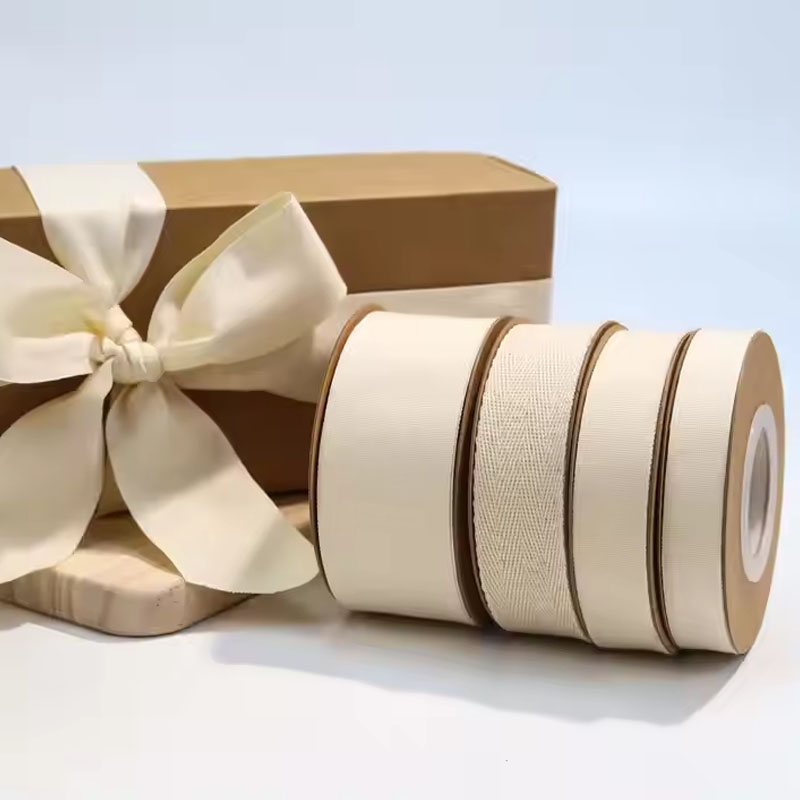
Weave Density, Edge Fraying, and Dye Lots on the Grosgrain Proof
Before committing to a production run, verify the factory’s actual output against your specifications. A reliable proof—whether a physical sample, measurement record, or test report—makes the decision verifiable and prevents costly rework.
- Specs: Confirm width tolerance (the buyer-approved tolerance), color fastness (the buyer-approved shade standard), and weave density (ends per inch).
- Cost or MOQ: Request a cost breakdown using the agreed sampling plan and confirm minimum order quantity aligns with your budget.
- Production risk: Check for edge fraying or inconsistent dye lots in the proof sample.
- Factory execution: Ask for a signed spec sheet and a photo of the production-ready sample with a ruler for scale.
- quote request/sample handoff: Use a standardized quote request template that includes your spec sheet, required certifications, and sample return policy.
For more on ribbon specifications, visit our wholesale ribbon families.
Score Grosgrain Samples and Bind Reorders to the Same Raw Materials
At this stage, the buyer must have a verified supplier shortlist and a clear quote request package before moving to sample approval. The decision asset is a structured comparison of factory capabilities against your grosgrain ribbon specs—width, weave density, colorfastness, and edge finish.
Supplier Proof Check
Request documented evidence of the factory’s ability to produce consistent grosgrain ribbon. Ask for recent production records, in-process quality control logs, and a list of raw material sources. Cross-check their claimed output against your required specs. The MEEDEE Ribbon editorial team publishes B2B ribbon sourcing guides that emphasize verifying supplier claims through third-party audits or factory visit reports.
Sample Approval Check
Before approving a sample, confirm it matches your quote request on all critical dimensions: width tolerance (the buyer-approved tolerance), color match (Pantone or LabDip), and weave uniformity. Use a table to track key metrics:
| Spec | Target | Sample Result | Pass/Fail |
|---|---|---|---|
| Width | the approved tolerance | the buyer-confirmed limit | Pass |
| Color | Pantone 19-4052 | Match | Pass |
| Weave density | 32 picks/inch | buyer-confirmed value | Fail |
Document any deviations and require a corrective action plan before moving to production. For custom ribbon orders, the OEM and ODM ribbon manufacturing provides additional guidance on sample handoff protocols.
Reorder Control Check
Establish reorder triggers based on lead time and inventory burn rate. Confirm the factory’s ability to replicate the approved sample consistently across batches. Include a clause in your quote request that requires the same raw material sources and production parameters for all reorders. This minimizes production risk and ensures color and quality consistency.
Proof of Width Control, Edge Sealing, and Repeat Lead Times for Grosgrain Ribbon
- Can the supplier produce grosgrain ribbons in the specified width tolerance and weave density? Width variation and loose weave cause rejections in automated packaging and branding applications. Supplier provides documented width tolerance per roll and a weave-density spec sheet with QC pass records. Accepting out-of-tolerance ribbon leads to production line jams and inconsistent brand presentation. Request a width-tolerance certificate from the supplier's QC log before approving the sample.
- Does the factory have documented experience with grosgrain ribbon edge finishing to prevent fraying? Unfinished edges shorten shelf life and create loose threads that damage automated equipment. Supplier shares a process description for heat-cut or ultrasonic edge sealing with defect-rate data. Frayed ribbon edges cause customer complaints and returns, increasing total cost of ownership. Inspect edge-finish samples under magnification and compare to your approved reference standard.
- What is the supplier's standard lead time for a repeat order of the same grosgrain ribbon SKU? Lead time consistency affects inventory planning and reorder triggers for continuous production. Supplier states a confirmed lead time range (e.g., 2–4 weeks after sample approval) and provides a production schedule template. Unreliable lead times force emergency expedite fees or stockouts that halt your production line. Ask for the last three order lead-time records from the supplier's production log to verify consistency.
In conclusion
The final approval of a grosgrain ribbon supplier comes down to verifying that every specification—material, width, weave density, and color fastness—matches your quote request exactly. Before you approve a sample, document any deviations and require a corrective action plan; this step alone can prevent costly production errors. Compare options not just on unit price but on the full cost picture, including MOQ conditions tied to material, width, printing method, and packing configuration. Shortlist only those factories that provide documented evidence of consistent output and can commit to a standard production timeline of 2–4 weeks after sample approval. When you are ready to lock the final specification and move to production, request a quote that confirms all critical dimensions and lead time conditions.
To request a quote for grosgrain ribbons product, use grosgrain ribbons to confirm the final specification, quote assumptions, sample approval, QC evidence, approval risk, and supplier follow-up before bulk order.
Frequently Asked Questions
How should a b2b buyer choose product type?
Shortlist by matching the ribbon’s material, width, weave density, and color fastness to your end-use specification. Compare the quoted cost and minimum order across suppliers for each combination, and verify that the factory can hold the stated width tolerance and color consistency across rolls. Request a cutting sample or lab dip to confirm the specification before any production commitment.
Which supplier proof should buyers request for grosgrain ribbons?
Request documented evidence of the factory’s ability to produce consistent grosgrain ribbon, such as a recent third-party test report for colorfastness and dimensional stability, and a reference order that matches your width and material. Verify the supplier’s certification for the specific product line, and ask for a pre-production sample that you can measure and compare against your quote request. Document any deviations and require a corrective action plan before moving to production.
What should buyers lock before approving product selection checklist?
Lock the final specification, including material composition, width, color standard (PMS or lab dip), roll length, and packing method, in a signed approval document. Confirm the minimum order per SKU and the standard production lead time—typically 2–4 weeks after sample approval—and verify that the quoted cost and payment terms match the approved spec. Require a production sample or first-article inspection before bulk shipment to validate that the factory has followed the approved checklist.
Next step: Send Specs for Review.
Editorial note
Prepared by the MEEDEE Ribbon Editorial Team and reviewed against current product, customization and sourcing information supplied by Meedee Ribbon Inc. Commercial terms such as MOQ, sampling and lead time should be confirmed for each specification.