 EN
EN  FR
FR  DE
DE  KO
KO  ES
ES  SV
SV  AR
AR  DA
DA  CS
CS  IT
IT  JA
JA  TR
TR  PT
PT  NL
NL  PL
PL  FI
FI Ribbons: product selection needs a written specification before the buyer can decide whether Ribbons: Product Selection Checklist fits the use case, specs, MOQ, sample approval path, and supplier quote process; otherwise suppliers may quote different product and approval assumptions.
This guide maps ribbons: product selection specifications and evidence to comparable sample requests and RFQ fields.
Direct answer: Use ribbons: product selection only after its specification, application fit, sample route, quantity rule, and supplier exceptions have been confirmed in writing.
Replace Factory Default Settings with Written Ribbon Specs
| Requirement | Factory control | Evidence to verify | Order risk | RFQ follow-up |
|---|---|---|---|---|
| Sample approval | Factory holds pre-production sample against spec sheet before bulk run. | Request a sealed sample and compare width, color, material, and print registration to your approved reference. | Bulk shipment may deviate from approved sample without documented sign-off. | Request a pre-production sample and approve in writing before production start. |
| MOQ and order quantity | Factory confirms minimum per SKU by material, width, color, and print method. | Check the quotation for per-SKU MOQ and ask for a breakdown by color and artwork version. | Under-ordering triggers rework charges; over-ordering ties capital in slow-moving stock. | Confirm MOQ per SKU in the RFQ and negotiate a phased release schedule. |
| Material / substrate | Factory verifies incoming yarn or film composition against your specified substrate type. | Request a material declaration or test certificate for fiber content, denier, and finish. | Substituted material may fail end-use durability or regulatory requirements. | Specify exact material grade in the RFQ and request a material data sheet. |
| Width or size tolerance | Factory measures width at multiple points during slitting and spooling. | Inspect a sample with a calibrated ruler or micrometer; compare to your tolerance range. | Out-of-tolerance width causes misalignment in automated packaging or sewing lines. | State acceptable width tolerance in the RFQ and request a measurement report with the sample. |
| Finish or color control | Factory uses spectrophotometer and light booth to match approved color standard. | Review a color lab dip under buyer-approved viewing conditions and compare the color difference to your approved limit. | Off-shade finish leads to rejected final goods or brand inconsistency across batches. | Request a color lab dip and approve the standard before bulk dyeing. |
The buyer must confirm each requirement in the RFQ before sample approval, as the factory will lock production parameters based on those inputs. Without written agreement on material, width tolerance, and color standard, the supplier may proceed with default settings that fail your end-use. This table helps you document the verification method and risk for every spec, ensuring the quotation reflects your exact needs.
Approval of the pre-production sample is the final checkpoint before bulk production begins. If any spec deviates from the agreed quote request, the buyer should reject the sample and request a corrected version. After sample sign-off, confirm the commercial terms—including MOQ, lead time, and pricing—in the written quote request, as these numbers vary by material, width, and print method.
Compare the supplier record with the ISO 2859-1 sampling inspection standard before accepting the requirement.
Spec Drift, Hidden Performance Gaps, and Stock Ribbon Limits
| Option | Best fit | Trade-off | Risk to avoid | Verification | Follow-up |
|---|---|---|---|---|---|
| Current specification | Proven production match with existing tooling and material stocks | Narrower cost negotiation room due to locked parameters | Overlooking minor spec drift that causes rework or rejection | Check latest QC report against original spec sheet for any deviation | Approve only after comparing three consecutive batch records |
| Alternative specification | Cost reduction or lead time improvement via different material or width | May require new sample approval and production setup | Hidden performance gap in dye fastness or tensile strength | Run accelerated wear test on pre-production sample before bulk | Document alternative spec with signed deviation form |
| Safer fallback | Standard stock custom ribbon manufacturing that meets minimum functional requirements | Limited aesthetic options and potential overstock | Accepting lower visual consistency across batches | Verify stock ribbon matches Pantone tolerance range per roll | Order fallback quantity only after confirming availability |
For current specification, a poor decision can mean overlooking minor spec drift that causes rework or rejection. Ask the supplier to check latest qc report against original spec sheet for any deviation. Use the result to decide whether this checkpoint can proceed or must stay on hold.
quote request checkpoint
Third-Party Lab Report on the Exact Ribbon Width and Material
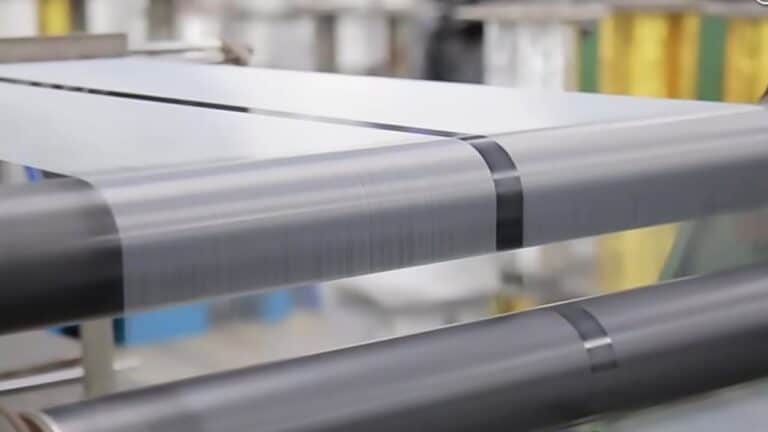
Before committing to a ribbon order, verify the factory’s evidence of spec compliance. Ask: “Can you provide a recent third-party lab report for colorfastness and tensile strength on the exact ribbon width and material we require?” This shifts risk from assumption to data.
Check each lab report against these points before accepting it, whether the order is for satin ribbons or another construction:
- Spec match: Does the report list your requested width and material composition?
- Cost/MOQ link: Does the factory require a minimum order to release proof samples? If yes, request a small pre-production sample first.
- Production risk: Are test results within your acceptable tolerance for shrinkage and dye migration?
- Factory execution: Was the test performed on a production-run sample (not a lab-only piece)?
- quote request handoff: Attach the proof to your quote request as a condition for quote finalization.
If the factory cannot supply this proof, escalate to a sample order with a clear pass/fail criteria written into the purchase order.
Business License Check, Sample Approval Form, and Reorder Points by Ribbon Type
At the supplier proof checkpoint, the buyer must have a verified factory profile that includes production licenses and recent third-party audit reports. This output confirms the factory is legally operational and capable of custom OEM and ODM ribbon manufacturing before any sample request.
Supplier evidence to request
Request the factory’s business license and a list of machinery used for ribbon weaving or printing. Cross-check these against the spec sheet to ensure they can meet your width, material, and color requirements. A factory that cannot provide these documents signals high production risk.
Sample approval evidence
Once samples arrive, compare them against your spec sheet using a standardized approval form. Measure ribbon width, check color fastness, and test tensile strength. Only approve samples that match all critical specs; a partial match may lead to costly reorders.
Reorder control records
Establish a reorder trigger based on inventory levels and lead time. Use a simple table to track reorder points:
| Ribbon Type | Reorder Point (yards) | Lead Time (days) |
|---|---|---|
| Cotton | buyer-confirmed value | buyer-confirmed value |
| Satin | buyer-confirmed value | buyer-confirmed value |
This table helps you avoid stockouts without overcommitting to MOQ. Include the reorder check in your quote request handoff to ensure the factory can support your replenishment schedule.
Screen Ribbon Factories on Looms, Past Spec Sheets, and Compliance Scope
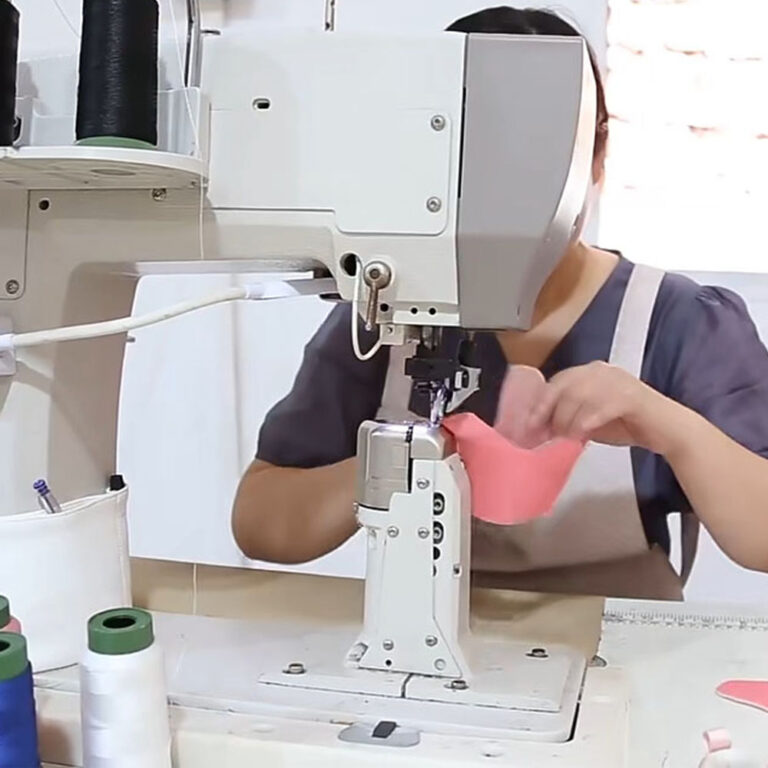
- Does the factory have dedicated MEEDEE ribbon factory looms and finishing equipment for your material type? Verifies the supplier can produce your specific ribbon width, weave, and edge finish without subcontracting. Supplier lists looms for satin, grosgrain, or organza and shows in-house slitting or hot-cutting. A factory without dedicated ribbon looms may deliver inconsistent width tolerance or delayed orders. Request a machinery list and ask for a short video of the loom running your material type.
- Can the supplier provide a spec sheet with width tolerance, color fastness, and tensile strength for a past order? Confirms the factory has documented quality control and can reproduce specs across production runs. They share a dated spec sheet with measured values and a note on test method used. Without documented specs, you may receive ribbon that fails your application or reorder match. Compare the spec sheet against your quote request requirements and flag any missing parameters.
- What is the factory's standard sample approval process before bulk production? Ensures you have a clear gate to approve color, print registration, and hand feel before the full run. They describe a step-by-step sample workflow with digital proof, strike-off, and physical sample sign-off. Skipping sample approval can lead to a full batch that does not match your approved standard. Document the sample approval timeline and include it in your order contract.
- Does the factory provide OEKO-TEX or GRS documents, or a Sedex SMETA audit report, relevant to the proposed order? These records address different topics and do not establish every market or brand requirement. Check the listed article, material, site and document scope, then verify product specifications through samples and applicable tests.
- How does the factory handle reorder consistency for color and width across different production lots? Verifies the supplier has a system to match dye lots and maintain width tolerance on repeat orders. They reference a retained sample library and a color spectrophotometer check before each bulk run. Inconsistent reorders can cause mismatched ribbon in the same product line or packaging. Request a reorder protocol document and ask for a past lot comparison report.
In conclusion
The final approval of your ribbon supplier comes down to verifying that every specification, cost parameter, and lead-time commitment aligns with your order requirements. Check the factory’s documented minimum order for your chosen material, width, and printing method, compare the quoted lead time against your inventory schedule, and validate the sample against your spec sheet before approving production. By documenting each checkpoint—from supplier proof to sample approval—you can confidently shortlist a partner who meets your quality and delivery standards.
To request a quote for ribbons: product selection, use wholesale ribbon families to confirm the final specification, quote assumptions, sample approval, QC evidence, approval risk, and supplier follow-up before bulk order.
Frequently Asked Questions
How should a b2b buyer choose product type?
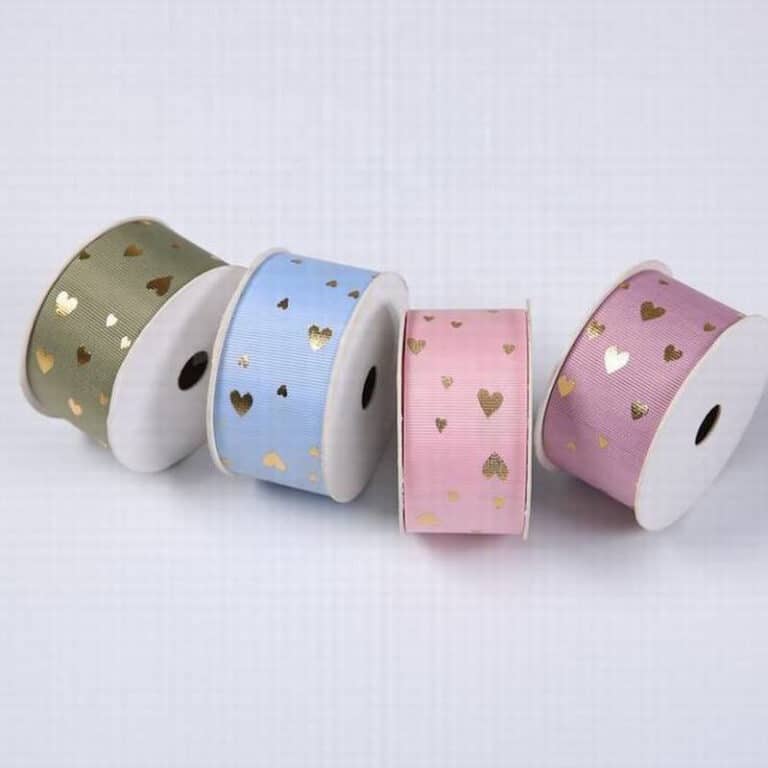
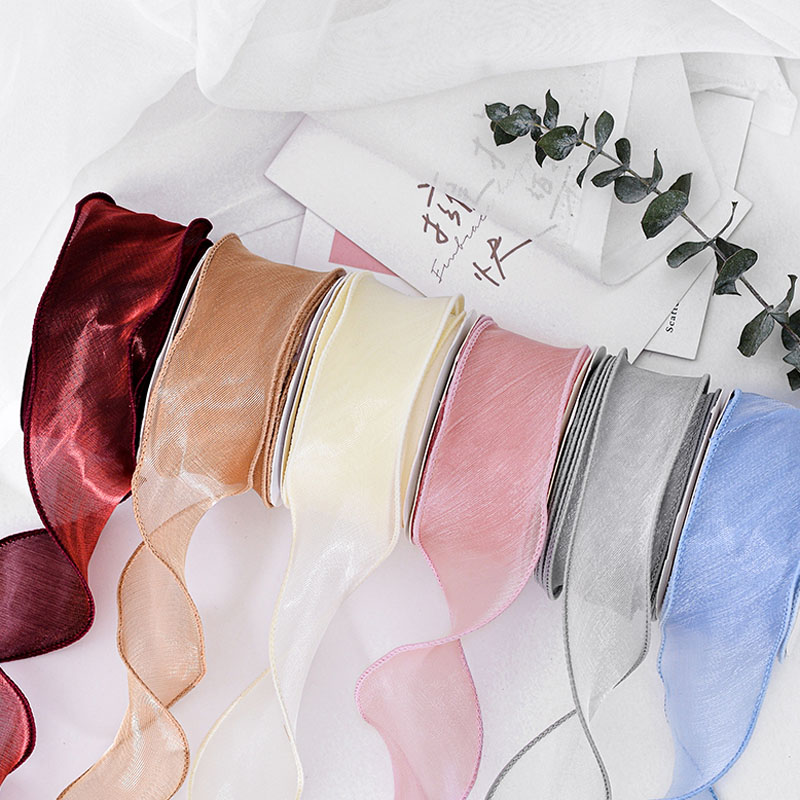
Shortlist ribbon types by your end-use: satin for elegance, grosgrain for durability, organza for transparency, or printed polyester for branding. Check the factory’s minimum width tolerance, color matching capability, and whether they offer the exact material composition you need. Compare cost per yard across these options and confirm the minimum order for each material and width combination in your quote request. Request a sample yard of each candidate type to verify hand feel, dye consistency, and edge finish before committing to a full production run.
Which supplier proof should buyers request for ribbons?
Request a pre-production sample that matches your specified width, color, and material, along with a dye lot or batch number for traceability. Verify the factory’s business license and machinery list to confirm they can produce your ribbon type at scale. For printed ribbons, ask for a strike-off or proof of the artwork registration. Compare the sample against your spec sheet using a standardized checklist, and if the factory holds OEKO-TEX Standard 100 or GRS certification for recycled styles, request the corresponding document to confirm scope. Document any deviations and approve the sample in writing before moving to production.
What should buyers lock before approving product selection checklist?
Lock the exact material, width, color code, printing method, and artwork version in your spec sheet before approving the product selection checklist. Confirm the minimum order per SKU and the standard production lead time, which typically ranges from 2–4 weeks after sample approval, though custom or complex programs may require a longer timeline. Verify the factory’s capacity to meet your order schedule and establish a reorder trigger based on your inventory levels and their lead time. Finally, approve a sealed sample that matches the spec and document the approval date, batch reference, and any color or finish tolerances to avoid disputes during bulk production.
quote request handoff: Send Specs for Review.
Editorial note
Prepared by the MEEDEE Ribbon Editorial Team and reviewed against current product, customization and sourcing information supplied by Meedee Ribbon Inc. Commercial terms such as MOQ, sampling and lead time should be confirmed for each specification.