 EN
EN  FR
FR  DE
DE  KO
KO  ES
ES  SV
SV  AR
AR  DA
DA  CS
CS  IT
IT  JA
JA  TR
TR  PT
PT  NL
NL  PL
PL  FI
FI Festival ribbons: buyer use-case fit needs a written specification before the buyer can translate an industry use case into packaging specs, risks, and RFQ questions; otherwise suppliers may quote different product and approval assumptions.
Festival ribbon is bought against a date that will not move, so whether a route fits depends on its sampling time rather than its unit price.
Direct answer: For festival ribbons: buyer use-case fit, buyers should translate an industry use case into packaging specs, risks, and RFQ questions.
Match Festival Ribbon Specs to Volunteer, Staff, and Sponsor Uses
| Application | Fit condition | Risk to avoid | Specification or proof | Follow-up |
|---|---|---|---|---|
| Volunteer appreciation ribbons for multi-day festival | Grosgrain ribbon with woven text and a pre-attached safety-pin bar | Woven text readability degrades on narrow widths; pin bar may detach under repeated wear | Provide a woven strike-off at final width; confirm pin-bar attachment method and pull-test result | Review woven strike-off and request pull-test data for the pin-bar assembly |
| Event-branded lanyard ribbons for staff identification | Polyester satin ribbon with full-color heat-transfer print and breakaway clip | Heat-transfer print may crack or fade after repeated flexing; breakaway clip strength may vary by batch | Submit heat-transfer print sample on production ribbon; confirm breakaway clip tensile spec in RFQ | Test print sample for flex durability and request clip tensile spec from supplier |
| Sponsor recognition ribbons for festival donor tiers | Satin ribbon with hot-stamped metallic text and a self-adhesive backing strip | Hot-stamp adhesion may fail on satin if ribbon finish is too slick; adhesive strip may lose tack in heat | Submit hot-stamp proof on production satin; confirm adhesive strip temperature rating and shelf life | Approve hot-stamp proof and request a thermal-adhesion test report for the adhesive strip |
For volunteer appreciation ribbons for multi-day festival, a poor decision can mean woven text readability degrades on narrow widths; pin bar may detach under repeated wear. Request written proof and compare it with the approved sample or specification.
For festival ribbons buyer, preserve the volunteer appreciation ribbons for multi-day festival decision under one revision number: keep the supplier response, marked sample, approved specification, quotation, and approval owner together. If the evidence conflicts with the approved record, hold the quote, sample, or production release until the deviation is explained in writing. Once the buyer and designated technical authority have accepted the evidence, carry the signed requirement record into the purchase order, production handoff, shipment release, and later reorder review so every team works from the same baseline.
- Festival ribbon width and material match the event's durability and print requirements. Mill spec sheet listing width tolerance, material composition, and colorfastness rating. Supplier's quality or production department. Ribbon that frays, fades, or fails to hold shape under outdoor festival conditions. Compare the spec sheet against your event's environmental exposure and print method before sample approval.
- Bulk production lot passes the agreed sampling plan normal inspection for visual and dimensional defects. AQL inspection report from the supplier's QC or a third-party inspector. Supplier's QC team or contracted inspection agency. Accepting a lot with excessive frayed edges, misprints, or width variations that ruin event presentation. Request the report before shipment; if missing, schedule a factory or third-party inspection.
- Supplier can produce the festival ribbon quantity within the required lead time. Production schedule or capacity plan showing your order slot and estimated completion date. Supplier's production planner or account manager. Late delivery that misses the festival date, causing last-minute substitutions or cancellations. Verify the schedule against your event timeline; request a written commitment with penalty clause.
- Ribbon material and ink comply with applicable flammability or safety standards for public events. Test report from an accredited lab confirming compliance with relevant standards (e.g., ASTM, BS). Supplier's compliance or quality department. Non-compliant ribbons that cause safety violations or liability at the festival venue. Confirm the standard required by your venue or local regulations; request the report before order confirmation.
Test Festival Ribbon Density and Color Before Choosing a Supplier
Before committing to a supplier, verify the actual ribbon density and color consistency using a sample under standard lighting. This measurement confirms whether the factory’s production matches your festival’s color code and durability needs.
Buyer Use-Case Fit Checklist
- Specs: Confirm ribbon width, material (e.g., polyester, satin), and dye fastness with a physical sample.
- Production Risk: Ask for a production timeline and defect rate history; avoid suppliers without documented quality checks.
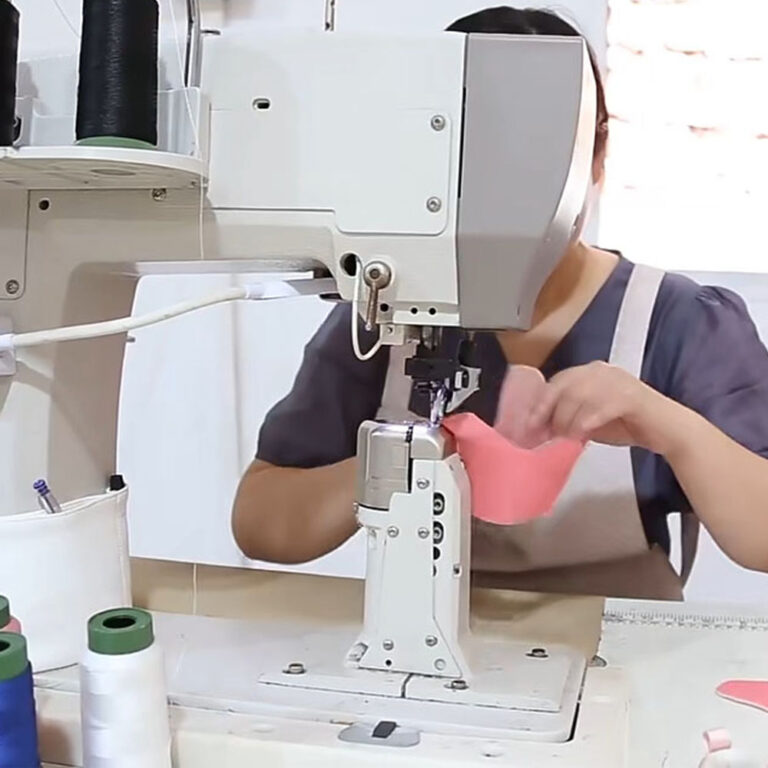
- Factory Execution: Request photos of the factory floor and a list of equipment used for custom ribbon production.
- quote request/Sample Handoff: Submit a detailed quote request with Pantone codes and required tensile strength; expect a sample within supplier-confirmed timing.
For a deeper review custom ribbon options, see our custom ribbon manufacturing guide.
quote request checkpoint
What to Verify for Award, Sponsor, Multi-Date, and Annual Festival Ribbon Orders
For festival ribbons buyer, use a release rule: approve only when the supplier evidence matches the written requirement.
- Festival ribbon order for volunteer appreciation and award categories. Ribbon width tolerance and color fastness per dye lot. A mismatch in shade or width across award ribbons creates a visible inconsistency that undermines the perceived value of the recognition program. Request a pre-production sample under standard lighting and retain the approved swatch for bulk comparison.
- Bulk festival ribbon purchase for multiple event dates. Material composition and weave density for consistent drape and print adhesion. Variation in weave density can cause printed text or logos to bleed or crack, leading to rejected ribbons and last-minute reorders. Verify the GSM and weave specification on the supplier's spec sheet; cross-check against the sample before approving the production run.
- Custom printed festival ribbons for sponsor recognition. Print method and ink type for durability against handling and light exposure. Festival ribbons are handled repeatedly and displayed outdoors; poor ink adhesion results in smudged sponsor names and a negative brand impression. Confirm the print method (silk screen vs. heat transfer) and request a lightfastness test report for the chosen ink.
- Festival ribbon order with multiple colorways per design. Color matching across wholesale ribbon families for consistent brand representation. Inconsistent color across ribbon families creates a disjointed visual identity for the event, confusing attendees and diluting sponsor visibility. Submit Pantone references for each color and require a dye-lot approval sample before full production.
- Reorder of festival ribbons for an annual event. Artwork version and die-line match to the previous approved order. A reorder with mismatched artwork or die-line can produce ribbons that do not fit the award medallion or display stand, causing last-minute replacements. Provide the previous order number and approved artwork PDF; request a pre-production proof before cutting.
Require Written Proof and a Batch Sample on Each Festival Ribbon Run
When a festival OEM and ODM ribbon manufacturing order fails, the root cause is almost always a mismatch between the buyer’s written spec and the supplier’s actual production. The failure mode is ambiguity in density, color, or finish. The control is a three-step decision asset: supplier proof check, sample approval check, and reorder control check.
Supplier evidence to request
Before any production, require the supplier to submit a written confirmation of ribbon width, material, and color tolerance (e.g., width tolerance and ±1 shade on Pantone). This proof must include a dated photo of the production roll against a calibrated color card. Without this, you cannot verify compliance later.
Sample approval evidence
Once the proof is accepted, request a 10-meter sample from the actual production batch. Inspect for consistent density, edge finish, and color uniformity. Approve only when the sample matches the proof within the agreed tolerance. Reject any deviation and demand a new sample.
Reorder control records
For repeat orders, do not rely on the first approval. Request a fresh proof and sample from the new production run. Ribbon dye lots and material batches vary; assume each order is a new risk. Use a simple table to track these checks:
| Check | Action | Pass Criteria |
|---|---|---|
| Supplier proof | Written spec + dated photo | Matches RFQ within tolerance |
| Sample approval | Sample from production batch | Matches proof, no defects |
| Reorder control | Fresh proof + sample | New batch matches spec |
This decision asset eliminates ambiguity and ensures every festival ribbon order is built on verified evidence, not assumptions. The MEEDEE Ribbon editorial team publishes B2B ribbon sourcing, customization, sampling, and quality control insights to help buyers avoid costly failures.
Send Every Festival Ribbon Supplier the Same Quote Package
At this process checkpoint, you must have a finalized festival ribbon requirement document—covering material, width, color tolerance, and print placement—before proceeding to supplier comparison. Without consistent quote request inputs, you cannot evaluate quotes fairly or identify production risks early.
Use the checklist below to standardize your quote request package across at least three suppliers. Each line item ensures comparable data for cost, MOQ, and execution capability.
- Material & Construction: Specify polyester, satin, grosgrain, or metallic; include thread count or weight (e.g., 40 denier). This prevents density mismatches that cause fraying or poor drape.
- Color & Print Specs: Define Pantone codes, tolerance (buyer-approved color tolerance), and print method (sublimation, screen, or woven). Vague colors lead to rework.
- Width & Length: State exact width, width tolerance and roll length. Width variation affects bow uniformity.
- Packaging & Labeling: Require polybag with barcode, inner box quantity, and carton markings. Inconsistent packaging delays fulfillment.
- Sample & Approval Milestone: Demand a pre-production sample for color and density sign-off before bulk production. This is your release rule: approve only when the supplier evidence matches the written requirement.
For each quote request response, create a side-by-side table to compare factory execution and production risk. The MEEDEE Ribbon editorial team publishes B2B ribbon sourcing guides; use this structure to filter suppliers.
| RFQ Input | Supplier A | Supplier B | Supplier C |
|---|---|---|---|
| Material weight (denier) | buyer-confirmed value | buyer-confirmed value | buyer-confirmed value |
| Color tolerance (buyer-approved color tolerance) | ≤2 | ≤3 | ≤2 |
| Width tolerance (inches) | ±0.05 | ±0.1 | ±0.05 |
| Sample lead time (days) | buyer-confirmed value | buyer-confirmed value | buyer-confirmed value |
After populating the table, flag any supplier that cannot meet your tolerance or sample timeline. This gap is a production risk that must be resolved before order placement. For further guidance, see our MEEDEE ribbon factory.
Source check: ISO 2859-1 sampling inspection standard.
In conclusion
The final approval for a festival ribbon order depends on how thoroughly you have checked each specification, cost and MOQ condition, and supplier capability. Before you shortlist a supplier, verify that the material, width, color fastness, and printing method match your event’s requirements, and confirm that the quoted lead time and MOQ align with your schedule and budget. A mismatch in any of these areas introduces production risk that can delay delivery or compromise ribbon quality. By validating the spec, comparing options side by side, and approving a sample before committing to a full run, you ensure that every festival ribbon order meets your standards and arrives on time.
MEEDEE’s public custom-ribbon reference lists an overall 3-100 millimetres width range and a 2-4 week standard production window after sample approval. For a dated festival, validate the chosen construction and the committed ship date in the final quotation.
To request a quote for festival ribbons buyer, use festival ribbons to confirm the final specification, quote assumptions, sample approval, QC evidence, approval risk, and supplier follow-up before bulk order.
Frequently Asked Questions
How should a b2b buyer match industry use case?
Only if the ribbon specification—material, width, color fastness, and printing method—matches the festival’s indoor/outdoor use and duration. Compare the supplier’s technical data sheet against your event conditions, then verify sample density and color accuracy before shortlisting. Approving the wrong structure or supplier proof can create quality, cost, or delivery problems.
Which supplier proof should buyers request for festival ribbons?
Request a digital proof first to confirm artwork and color placement, then a 10-meter production sample from the actual run. Check that the sample’s ribbon density, edge finish, and dye penetration meet your festival’s durability and visual standards before approving the proof. Ask the supplier to confirm factory capability and who owns follow-up. Approving the wrong structure or supplier proof can create quality, cost, or delivery problems.
What should buyers lock before approving buyer use-case fit checklist?
Lock the finalized specification, cost per unit, MOQ confirmed by material and width, and lead time in a written agreement. Document the supplier’s risk mitigation for color variation or late delivery, and require sample approval before production. Confirm the lead time for custom printed ribbons separately in the quotation. put the locked requirement into the quote request or sample approval notes.
quote request handoff: Send Specs for Review.
Editorial note
Prepared by the MEEDEE Ribbon Editorial Team and reviewed against current product, customization and sourcing information supplied by Meedee Ribbon Inc. Commercial terms such as MOQ, sampling and lead time should be confirmed for each specification.