
 EN
EN  FR
FR  DE
DE  KO
KO  ES
ES  SV
SV  AR
AR  DA
DA  CS
CS  IT
IT  JA
JA  TR
TR  PT
PT  NL
NL  PL
PL  FI
FI Printing on satin ribbon needs a written specification before the buyer can plan custom artwork, dielines, samples, finishes, and production handoff; otherwise suppliers may quote different product and approval assumptions.
This guide maps printing on satin ribbon specifications and evidence to comparable sample requests and RFQ fields.
Direct answer: For printing on satin ribbon, align artwork files, dimensions, material and finish targets, a signed-off sample, packing instructions, and the bulk-production handoff in one controlled specification.
How buyers should compare printing on satin ribbon sample checks options
| Option | Best fit | Trade-off | Risk to avoid | Verification | Follow-up |
|---|---|---|---|---|---|
| Current specification | Matches your approved artwork, ribbon width, and color code exactly. | No flexibility to adjust print density or ribbon hand feel for alternative substrates. | Ink adhesion failure if ribbon lot or finish differs from the approved sample. | Compare the sample to the signed-off spec under production lighting and bend test. | Document the approved spec as the baseline in your RFQ and retain a sealed reference sample. |
| Alternative specification | Allows a different ribbon width, weave density, or print method while keeping artwork. | May shift color saturation or edge definition; requires a new sample approval gate. | Unplanned cost from re-plate fees or longer setup if the alternative requires different tooling. | Request a strike-off on the alternative ribbon substrate before committing to bulk. | Add the alternative spec as a line item in the RFQ and request a separate sample timeline. |
| Custom option | Bespoke ribbon width, custom dye lot, or unique print placement for a specific packaging format. | Longer lead time and higher minimum quantity per SKU; no off-the-shelf fallback. | Supplier may reject small reorders if the custom tooling or ink mix is single-use. | Confirm the custom spec includes a written reorder clause and tooling ownership terms. | Negotiate a reorder minimum and tooling storage agreement in the quotation before sample approval. |
| Safer fallback | A standard width, common color, and proven print method that matches multiple suppliers' capability. | Less distinctive packaging; may not meet brand's exact visual or tactile requirement. | Accepting a fallback spec without re-testing can still cause adhesion or color shift issues. | Run a production-matching sample on the fallback spec using the same printer and ribbon lot. | Use the fallback spec as a contingency line in the RFQ and approve it only after sample sign-off. |
Comparing printing on satin ribbon sample checks options turns on how closely each spec matches your approved artwork, ribbon width, and print method. The current specification locks in the exact parameters from your last approved sample, while the alternative and custom options introduce trade-offs in color saturation, edge definition, and lead time. Each route carries a distinct risk of ink adhesion failure or re-plate cost if the ribbon lot or finish changes. Buyers should verify every option with a production-matching sample before committing to bulk.
Before you sign off on a custom or alternative spec, settle the reorder clause and tooling ownership in writing; without it, the supplier that holds the screens and ink formula controls every repeat order. A safer fallback keeps you less dependent on one factory but may not deliver the exact visual your brand requires. After you choose a route, record the selected spec as the baseline in the RFQ, request a separate sample timeline for each option, and put minimums and lead time into the written quote instead of relying on estimates.
Compare the supplier record with the ISO 2859-1 sampling inspection standard before accepting the requirement.
How artwork and ribbon surface affect printing on satin ribbon sample checks
- Compare printed sample to approved artwork color and satin ribbon surface: Artwork may bleed or shift on satin weave, causing misregistration Procurement manager and quality inspector Verify print alignment and color fastness against a production-matching sample Document any surface variation and request a revised sample before bulk release
- Confirm ribbon width and material match the RFQ specification: Width deviation alters print area and may cause waste Sourcing lead Measure ribbon width with calipers and compare to approved spec Update the approval record with measured values and flag any discrepancy
- Check lead time against sample approval and production schedule: Delayed approval compresses production window and risks shipment Project manager Confirm standard production range of 14-21 calendar days after sample sign-off Communicate the approval deadline to the supplier and adjust the order schedule
- Review artwork file format and resolution for satin ribbons: Low-resolution art causes fuzzy edges on the ribbon surface Design lead Ensure artwork is vector or minimum 300 DPI, approved for the ribbon weave Request a pre-production proof on the exact satin material before final approval
- Document any change in printing method or ink type: Ink adhesion varies with satin finish, affecting durability Quality manager Verify the supplier's printing method matches the approved sample Record the method and ink type in the change control log and re-approve if altered
A physical sample printed on the exact satin ribbon width and weave is the only reliable proof that artwork will reproduce correctly. Compare the sample to your specification for color, alignment, and surface adhesion. Any mismatch in these checks signals a change risk that must be documented before bulk production begins.
The approval record is the gate that releases the purchase order: sign it only after the sample matches the specification for color, alignment, and adhesion. If the artwork file or ribbon surface changed since the last approval, treat the change as a new decision and re-approve the sample before it reaches the production floor. At the same time, confirm MOQ and lead time in the written quote request, not from this checklist, so the commercial terms match the sample you approved.
quote request checkpoint
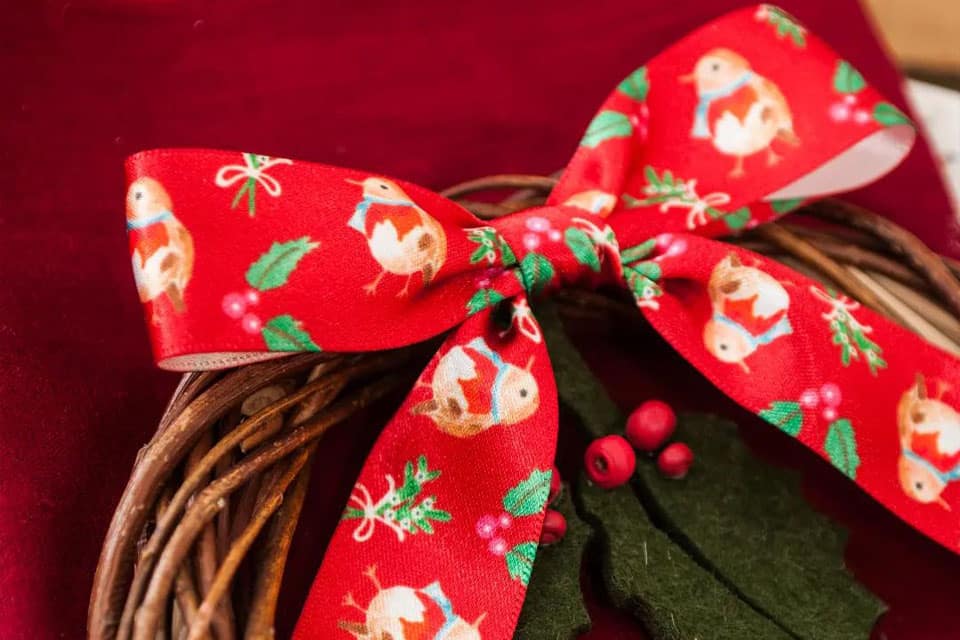
What printing on satin ribbon sample checks belong in sample approval
Select a printing on satin wholesale ribbon families sample check when the artwork-to-ribbon match must be verified before production. This option fits if your quote request specifies a confirmed tolerance for color registration and ribbon width, and you require a physical proof to validate print clarity and edge alignment.
Use this practical checklist during sample approval:
- Specs: Confirm that the printed design aligns within the ribbon width as agreed in the quote request, and that the ribbon material matches the specified weave density.
- Cost or MOQ: Verify that the sample fee and minimum order quantity are stated in the buyer’s verification request, not assumed from past orders.
- Production risk: Check for ink bleeding, color shift, or misregistration on the sample; reject if any defect exceeds the agreed threshold.
- Factory execution: Ensure the factory uses a calibrated printer and that the sample is produced on the same machine type as the bulk order.
- quote request/sample handoff: Document the sample approval decision in writing, including the date and any required revisions, before releasing the bulk production.
For example, a buyer may ask: “Does the sample show consistent color saturation across the full ribbon length?” If the answer is no, the sample fails approval. Use the table below to track key checks.
| Check | Buyer Verification Question |
|---|---|
| Color accuracy | Does the sample match the Pantone reference within the agreed tolerance? |
| Width consistency | Is the ribbon width within the buyer-approved tolerance of the specified dimension? |
| Print durability | Does the print withstand a the buyer-approved test temperature wash test without fading? |
| Edge alignment | Is the printed design centered and free of skew? |
After completing the checklist, sign off only when all criteria pass. This reduces rework and ensures the bulk order meets your quality standards.
Which printing on satin ribbon sample checks production risks buyers flag before approval
When artwork is transferred to satin OEM and ODM ribbon manufacturing, the most common failure is a mismatch between the approved digital proof and the physical sample—often due to ribbon weave absorbing ink differently than expected. To prevent this, buyers require a wet-proof sample printed on the exact ribbon substrate before any bulk run begins. This step verifies that the design aligns with the ribbon’s texture and that colors remain stable under the specified finish.
Specification and sample approval
Buyers flag risks when the sample does not match the agreed specification, such as ribbon width, print resolution, or edge bleed. A common control is to include a signed-off specification sheet with the sample, covering artwork dimensions, color codes, and acceptable tolerances. Without this, the factory may proceed with misaligned expectations, leading to costly rework.
Color, finish, and durability checks
Color variation under different lighting or after folding is a top concern. Buyers ask: “Does the sample match Pantone values under buyer-approved viewing conditions daylight?” and “Will the print resist rubbing during packaging?” A simple rub test on the sample can reveal durability issues. The factory should provide a finish sample (matte, glossy, or no coating) and confirm that the selected finish does not alter the color.
Packing and bulk-production inspection
Even with a perfect sample, bulk production can introduce defects like misregistration, ink smudging, or inconsistent ribbon tension. Buyers mitigate this by requesting a pre-production sample from the actual production roll and inspecting it for print clarity and color consistency. A table of common checks helps standardize the review:
| Check | Buyer’s Verification Question | Risk if Missed |
|---|---|---|
| Artwork alignment | Is the design centered and within the approved tolerance of the spec? | Off-center prints waste ribbon |
| Color accuracy | Does the sample match the approved Pantone under controlled light? | Color shift leads to rejection |
| Print durability | Does the ink survive a dry rub test with white cloth? | Smudging during handling |
After these checks, the buyer should request a bulk-production inspection report from the factory, confirming that the same conditions used for the approved sample are maintained throughout the run. This closes the loop between sample approval and final delivery.
RFQ Inputs for Satin Ribbon Printing
- Does the supplier have direct experience printing on satin ribbon, not just weaving or slitting it? Printing on satin requires controlled tension and heat to avoid ink bleed or weave distortion; a general ribbon maker may lack this capability. Supplier provides a printed satin sample from a recent production run, not a lab swatch, and can name the print method (e.g., screen, flexo, or digital). A supplier without satin-printing experience may deliver misregistered prints, smudged edges, or ribbon that curls after printing, causing rework and delays. Request a production-matching sample printed on the exact satin ribbon width and material you intend to order, and compare it to your artwork proof.
- What verification method does the supplier use to match the printed color to the approved artwork? Satin's glossy surface can make colors appear darker or more saturated than on paper proofs; a standard visual check may miss a drift beyond acceptable tolerance. Supplier uses a spectrophotometer to measure buyer-approved color tolerance (color difference) against the approved digital file and shares the reading with the sample. Without a measured color check, the bulk run may arrive with a visible shade shift that is not acceptable for your packaging or branding program. Ask the supplier to include a buyer-approved color tolerance report with the sample and confirm the maximum acceptable buyer-approved color tolerance value in your quote request.
- How does the supplier control for weave tension and ink adhesion during the print run? Satin ribbon is woven with a smooth face that can resist ink bonding; inconsistent tension during printing can cause misalignment or ink flaking after handling. Supplier describes a pre-print tension check on the ribbon roll and a post-print adhesion test (e.g., tape pull or rub test) on the first production piece. Poor ink adhesion leads to prints that scratch off during packaging or transit, resulting in customer complaints and rejected goods. Request a short video or photo of the adhesion test being performed on your sample, and include a rub-test requirement in your quality agreement.
- What is the supplier's approval gate before bulk production begins? A clear approval gate prevents the factory from starting bulk printing before the buyer has signed off on the final sample, avoiding costly re-runs. Supplier states that bulk production starts only after the buyer provides written approval of the printed satin sample, including color and placement sign-off. Without a formal gate, the supplier may interpret a verbal okay as approval and run thousands of yards with an uncorrected flaw. Document your approval rule in the quote request: no bulk production until you issue a signed sample-approval form referencing the sample ID and date.
Approving a printed satin ribbon sample without verifying the supplier's printing capability and color measurement method introduces a risk of bulk-run mismatch. The buyer should treat the sample as a proof of the supplier's process, not just a visual check. A spectrophotometer reading and an adhesion test provide objective evidence that the factory can reproduce the artwork consistently across the full order quantity.
After the sample passes these checks, the buyer must issue a written approval that explicitly gates bulk production. Without this formal step, the supplier may start the run based on a verbal confirmation, leaving no recourse if the final goods deviate from the approved sample. Confirm all commercial terms—MOQ, lead time, and pricing—in the written quote request before authorizing production.
In conclusion
Use the approved satin sample as the bulk-release gate. Shortlist only a supplier that returns a QC record for registration, print coverage, surface feel, and packing, and names the person who controls production changes. This prevents sample-to-bulk drift and gives the buyer a reference for inspection and reorders.
| Decision output | Matching page or CTA | Why this route | approval risk | Buyer action |
|---|---|---|---|---|
| Approved satin-custom ribbon manufacturing bulk-release pack | Satin ribbon sourcing route | Connects the accepted sample and print checks to the matching product route | Bulk color, registration, surface feel, or packing drifts from the accepted sample | Send the artwork version and sample approval record with the project RFQ |
Before the purchase order, ask the supplier to identify the cost drivers and confirm the actual production window. RibbonOEM’s standard production reference is 14–21 days after sample approval, subject to the confirmed order and schedule. Reopen approval whenever the accepted sample no longer represents what the factory will produce.
Printing on satin ribbon sample checks FAQ
Which sample or QC proof should buyers request?
Request a production-matching sample printed on the exact satin ribbon width and color you will order. Verify the sample against your approved artwork for color accuracy, ink adhesion, and edge registration. Confirm the sample is produced using the same printing method (e.g., screen, digital, or hot stamp) and ink type specified in your quote request. Document any color variation under different lighting or after folding, and request a revised sample if the match is not within your tolerance. Finally, ask the supplier to include a bulk-production inspection report with the sample to confirm repeatability.
What should buyers verify before approving printing on satin ribbon sample checks?
Before approving, compare the sample to your specification for ribbon material, width, color code, and print placement. Check that the ink does not crack or peel when the ribbon is folded or tied, and that the print remains legible after light rubbing. Confirm the MOQ and lead time for the approved sample match your order schedule, and ask the supplier to document the sample approval in writing. If the sample passes, request a pre-production sample from the first bulk run to catch any process drift.
How should buyers confirm packed box dimensions?
Request the packed box dimensions from the supplier in your quote request, specifying your required carton size, weight limit, and pallet configuration. Verify that the packed dimensions match your storage or shipping constraints, and ask for a photo or video of the packed box with a ruler for scale. Confirm the minimum order per SKU and the number of boxes per pallet to avoid overpacking or damage during transit. Document the agreed packed dimensions in the order confirmation and request a packed sample if the quantity is small enough.
Jun 4, 2026 — What should buyers confirm before ordering Printed Satin Ribbon?
Before ordering, confirm the exact ribbon material, width, color, and printing method with the supplier, and verify that the minimum order and lead time match your order schedule. Request a production-matching sample to check color accuracy, ink adhesion, and edge registration, and document any issues in the sample approval. Ask the supplier to provide a bulk-production inspection report and a pre-production sample from the first run to ensure consistency. Finally, confirm the packed box dimensions and shipping terms to avoid delays or damage.
Do all thermal label printers use ribbons?
Only if the thermal label printer is specifically designed for ribbon printing, such as a direct thermal printer that uses heat-sensitive ribbon. Most thermal label printers require a wax, wax-resin, or resin ribbon to transfer ink onto the label, and the ribbon type must match the printer model and label material. Check your printer’s specification for compatible ribbon width, length, and coating, and request a sample from the supplier to verify adhesion and print quality. Confirm the minimum order and lead time for the ribbon with your supplier before ordering.
quote request handoff: Send Specs for Review.
Editorial note
Prepared by the MEEDEE Ribbon Editorial Team and reviewed against current product, customization and sourcing information supplied by Meedee Ribbon Inc. Commercial terms such as MOQ, sampling and lead time should be confirmed for each specification.